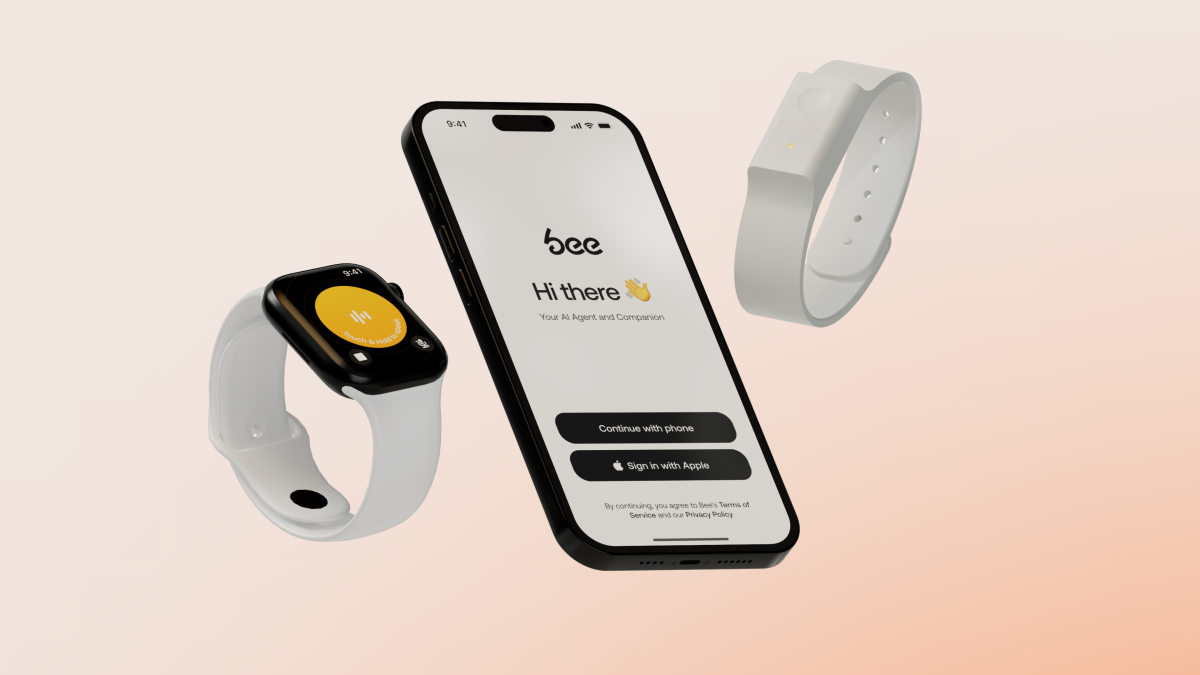

Amazon is expanding its artificial intelligence (AI) presence in consumer technology with the acquisition of Bee, a new wearable AI device. Unveiled at the Consumer Electronics Show (CES) in Las Vegas, Bee is designed as a discreet, clip-on or bracelet-form AI companion capable of recording and summarizing conversations. This move signals Amazon’s continued investment in AI beyond its established Alexa ecosystem and a push toward more personal and portable AI experiences.
The announcement comes as AI integration becomes a dominant trend in the tech industry, with companies vying to embed the technology into everyday objects. While Amazon’s Alexa has largely focused on smart home applications, Bee aims to extend AI assistance into users’ daily lives outside the home, offering features like conversation recording, summarization, and personalized insights.
What is Bee and How Does it Work?
Bee is a small, wearable device that utilizes AI to passively record and analyze conversations. According to Bee co-founder Maria de Lourdes Zollo, the device is intended for a variety of use cases, including students recording lectures, professionals capturing meeting notes, and individuals seeking assistance with memory recall. The AI transcribes the audio and then discards the original recording, focusing on extracting key information and building a knowledge graph about the user.
Key Features and Functionality
Bee’s core functionality revolves around understanding and learning from user interactions. It achieves this by analyzing recorded conversations, and with user permission, integrating with services like Gmail, Google Calendar, contacts, and Apple Health. This allows the AI to provide contextual reminders, suggest follow-up actions, and offer personalized daily insights. Recent additions include voice notes and customizable templates.
The device differs from Amazon’s previous wearable AI attempts, such as Alexa-enabled earbuds and glasses, which have seen limited market success. Amazon appears to recognize this, positioning Bee as a complementary technology to Alexa rather than a direct replacement. The company envisions a future where the two AI systems can seamlessly integrate, offering a more comprehensive and continuous AI experience.
Amazon’s AI Strategy and the Role of Bee
Amazon has been a major player in the AI space for years, primarily through its Alexa voice assistant. Alexa+, the upgraded AI-powered version, is now compatible with 97% of Amazon’s shipped devices. However, the company is actively diversifying its AI offerings, recognizing the potential of more specialized and portable AI solutions. The acquisition of Bee represents a strategic move to tap into a different segment of the AI market – personal, wearable AI.
Daniel Rausch, VP of Amazon Alexa, emphasized the “lovable experience” created by the Bee team and the potential for synergy with Alexa. He stated that combining the strengths of both AI systems will ultimately provide greater benefits to customers. This suggests Amazon is not simply acquiring Bee for its technology, but also for the unique user experience and the expertise of its development team.
The focus on conversation summarization and personalized knowledge graphs differentiates Bee from general-purpose voice assistants. This specialization could appeal to users who value privacy and control over their data, as Bee’s audio is discarded after transcription. However, this also limits its functionality in scenarios requiring audio playback for verification or legal purposes.
The wearable form factor is also a key differentiator. Unlike smart speakers or smartphones, Bee is designed to be unobtrusive and always-on, allowing it to capture information passively throughout the day. This could be particularly valuable for individuals who need to document their interactions or track their progress over time. The secondary keyword, wearable technology, is becoming increasingly important as consumers seek more integrated and convenient AI solutions.
Looking Ahead: Integration and Future Development
While the immediate future of Bee involves continued development and refinement under Amazon’s ownership, the long-term goal appears to be integration with the broader Alexa ecosystem. De Lourdes Zollo indicated that the eight-person Bee team is already working on “many new things” at Amazon’s San Francisco headquarters, alongside existing hardware and Alexa teams. The secondary keyword, artificial intelligence, will continue to drive innovation in this space.
The timeline for full integration remains unclear. Amazon has not provided a specific date, but executives have indicated that it is a priority. The success of this integration will depend on addressing technical challenges related to data compatibility and ensuring a seamless user experience. The company will also need to navigate potential privacy concerns associated with combining data from multiple sources.
For now, Amazon is focused on expanding Bee’s capabilities and exploring new use cases. The company is likely to leverage its vast resources and expertise in AI to enhance Bee’s functionality and make it a more compelling offering for consumers. The development of AI companions is a rapidly evolving field, and Amazon’s acquisition of Bee positions it to compete effectively in this emerging market.
The next steps for Bee will likely involve beta testing of new features and a gradual rollout to a wider audience. Observers will be watching to see how Amazon balances the unique identity of Bee with the broader Alexa brand, and whether it can successfully establish Bee as a leading player in the wearable AI space.