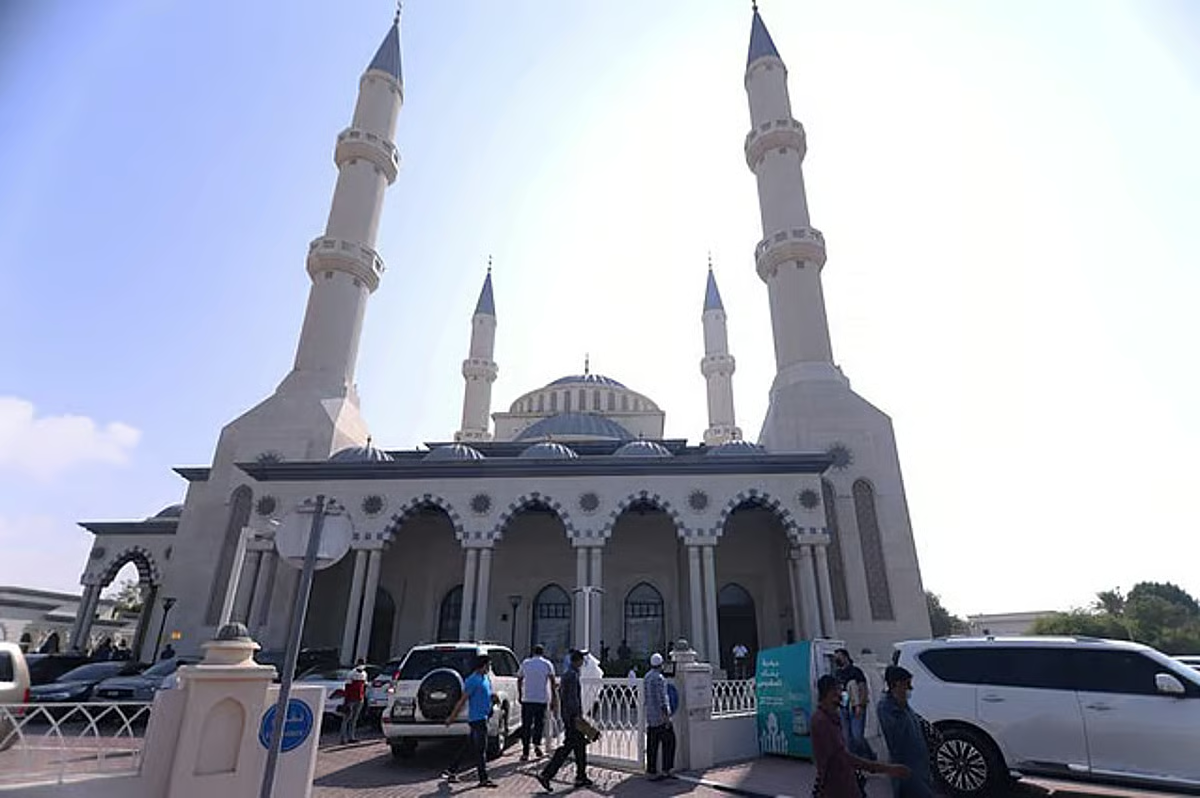

The United Arab Emirates (UAE) has permanently shifted its Friday prayer time to 12:45 PM, a change implemented to provide a consistent schedule throughout the year. This adjustment, finalized in late 2023, replaces a previous system of seasonal variations based on astronomical calculations. The move aims to balance religious observance with practical considerations for daily life and the national economy, impacting workplace schedules and public services. This Friday prayer time change is nationwide.
The decision, announced by the UAE’s Ministry of Justice, affects all mosques and prayer facilities across the country. Previously, the prayer time would move to 1:15 PM during the winter months to align with the solar position. This created logistical challenges for businesses, schools, and individuals planning activities around the prayer. The new standardized time is intended to simplify scheduling and improve overall coordination.
Understanding the Shift in Friday Prayer Time
For years, the UAE, like many Muslim-majority nations, adjusted prayer times – including the crucial Friday prayer – based on the position of the sun. This is a traditional practice rooted in Islamic jurisprudence, ensuring prayers are performed within the correct timeframe defined by daylight. However, the seasonal adjustments, while religiously sound, presented difficulties in a rapidly developing and globally connected society.
According to official statements, the change reflects a desire to streamline operations and enhance convenience for residents and visitors. The Ministry of Justice emphasized the importance of balancing religious obligations with the demands of modern life. This decision follows a period of study and consultation with religious authorities and relevant stakeholders.
Stability versus Seasonal Astronomical Variations
The UAE’s adoption of a fixed Friday prayer time represents a move towards greater stability in religious scheduling. Previously, the shifting times between summer and winter required constant updates and could lead to confusion. The new 12:45 PM time eliminates this issue, providing a predictable and consistent schedule for all.
This change is similar to decisions made in other areas of timekeeping within the UAE, such as the adoption of a standardized workweek. These efforts demonstrate a broader trend towards optimizing national systems for efficiency and clarity. The goal is to create a more organized and predictable environment for both citizens and businesses.
Why Winter Specifically Matters
While the change applies year-round, the impact is particularly noticeable during the winter months. Shorter daylight hours meant the previous winter prayer time of 1:15 PM could coincide with the start of afternoon activities for families and businesses. Moving the prayer to 12:45 PM provides a more practical window for observance.
The new time still falls within the valid Dhuhr prayer window (the time after solar noon), ensuring religious requirements are met. It also allows individuals to complete their prayers and resume their daily routines with minimal disruption. This consideration for practical scheduling was a key factor in the Ministry’s decision.
Economic Perspective: Workplace, Traffic, and Services
The implications of a fixed prayer time extend beyond individual convenience and touch upon the broader economy. Businesses previously had to account for fluctuating prayer times when scheduling meetings, appointments, and employee shifts. A standardized time simplifies these processes and reduces potential conflicts.
Traffic patterns are also expected to be affected. The previous system often led to a surge in traffic as people rushed to attend prayers at different times depending on the season. A consistent prayer time should help to distribute traffic flow more evenly, potentially easing congestion. This is a significant benefit in major urban centers like Dubai and Abu Dhabi.
Furthermore, the change impacts the operation of various public services. Government offices, banks, and other institutions can now establish consistent schedules that accommodate the Friday prayer without requiring seasonal adjustments. This leads to improved efficiency and a more predictable service experience for the public. The impact on religious practices is expected to be positive.
However, some businesses that cater specifically to pre- or post-prayer crowds may need to adapt their operating hours. The Ministry of Justice has indicated it will monitor the impact of the change and make further adjustments if necessary. The overall expectation is that the benefits of standardization will outweigh any minor disruptions.
The move also aligns with the UAE’s efforts to promote a modern and business-friendly environment. By simplifying logistical challenges related to prayer times, the country aims to attract investment and facilitate international trade. This demonstrates a commitment to balancing cultural and religious values with economic progress.
The standardization of Islamic prayer timings in the UAE is part of a larger trend towards modernization and efficiency. While maintaining its strong Islamic identity, the country is actively seeking ways to streamline processes and improve the quality of life for its residents. This includes embracing technology and adopting best practices in various sectors.
Looking ahead, the Ministry of Justice will continue to assess the effectiveness of the new Friday prayer time. Data on traffic flow, business operations, and public feedback will be analyzed to identify any areas for improvement. While no immediate further changes are anticipated, the Ministry remains open to adjustments based on evolving needs and circumstances. The long-term impact on social and economic life in the UAE will be a key area of observation.