
The World Health Organization (WHO) has released its first global guidelines for managing diabetes during pregnancy, affecting approximately 21 million women annually. The guidelines, issued on World Diabetes Day 2025, aim to establish a unified global standard for caring for pregnant women with diabetes.
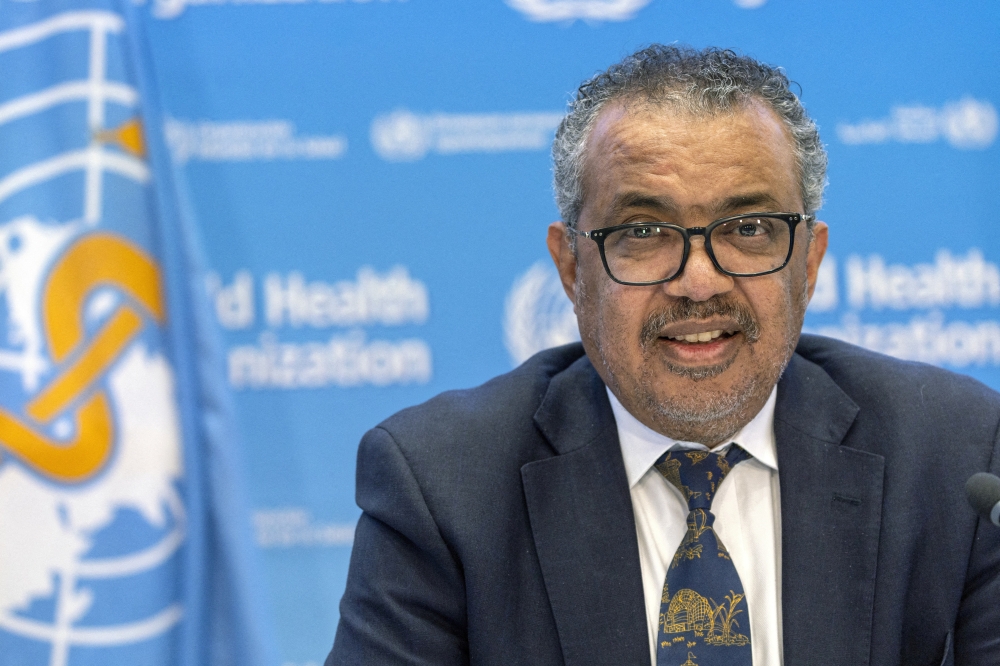
The new guidelines provide a roadmap for confronting the growing health challenge of diabetes during pregnancy, emphasizing individualized care, blood sugar control, and specialized medical treatment. According to Dr. Tedros Adhanom Ghebreyesus, Director-General of the WHO, the guidelines outline clear, evidence-based strategies for delivering high-quality care to every woman everywhere.
Managing Diabetes During Pregnancy: A Growing Health Challenge
Diabetes is one of the fastest-growing health challenges globally, affecting over 800 million people worldwide. During pregnancy, diabetes can have serious complications for both women and their children. The WHO guidelines aim to address this issue by providing a comprehensive framework for managing diabetes during pregnancy.
The guidelines include 27 core recommendations, focusing on individualized care, optimal monitoring, personalized treatment, and specialized support. This approach is expected to improve maternal health and reduce the risk of noncommunicable diseases. However, the implementation of these guidelines will require significant efforts to integrate diabetes care into routine prenatal services and ensure equitable access to essential medications and technologies.
Key Recommendations for Managing Diabetes During Pregnancy
The guidelines emphasize the importance of blood sugar control and regular monitoring through glucose testing. Pregnant women with diabetes should receive specialized medical treatment and multidisciplinary care, including support from healthcare professionals and access to essential medications and technologies.
Improving Maternal Health Outcomes
The release of these guidelines represents a pivotal step in improving maternal health outcomes and combating noncommunicable diseases. By providing a unified global standard for managing diabetes during pregnancy, the WHO aims to reduce the risk of complications and promote better health outcomes for women and their children.
Meanwhile, the WHO continues to work towards ensuring that every person living with diabetes has access to integrated care, supportive environments, and policies that promote health, dignity, and self-management. The organization’s efforts are expected to have a positive impact on the lives of millions of people worldwide.
In the coming months, the WHO is expected to provide further guidance on implementing the new guidelines and monitoring their impact. The success of these efforts will depend on the ability of healthcare systems to integrate diabetes care into routine prenatal services and ensure equitable access to essential medications and technologies.