
The annual Sheikh Zayed Festival and Liwa Festival are currently drawing large crowds across Abu Dhabi, offering a blend of cultural experiences, entertainment, and stunning visual displays. Both festivals, running through late winter, provide residents and tourists with opportunities to experience Emirati heritage alongside international attractions. Entry to both events is priced at Dh10, making them accessible family outings.
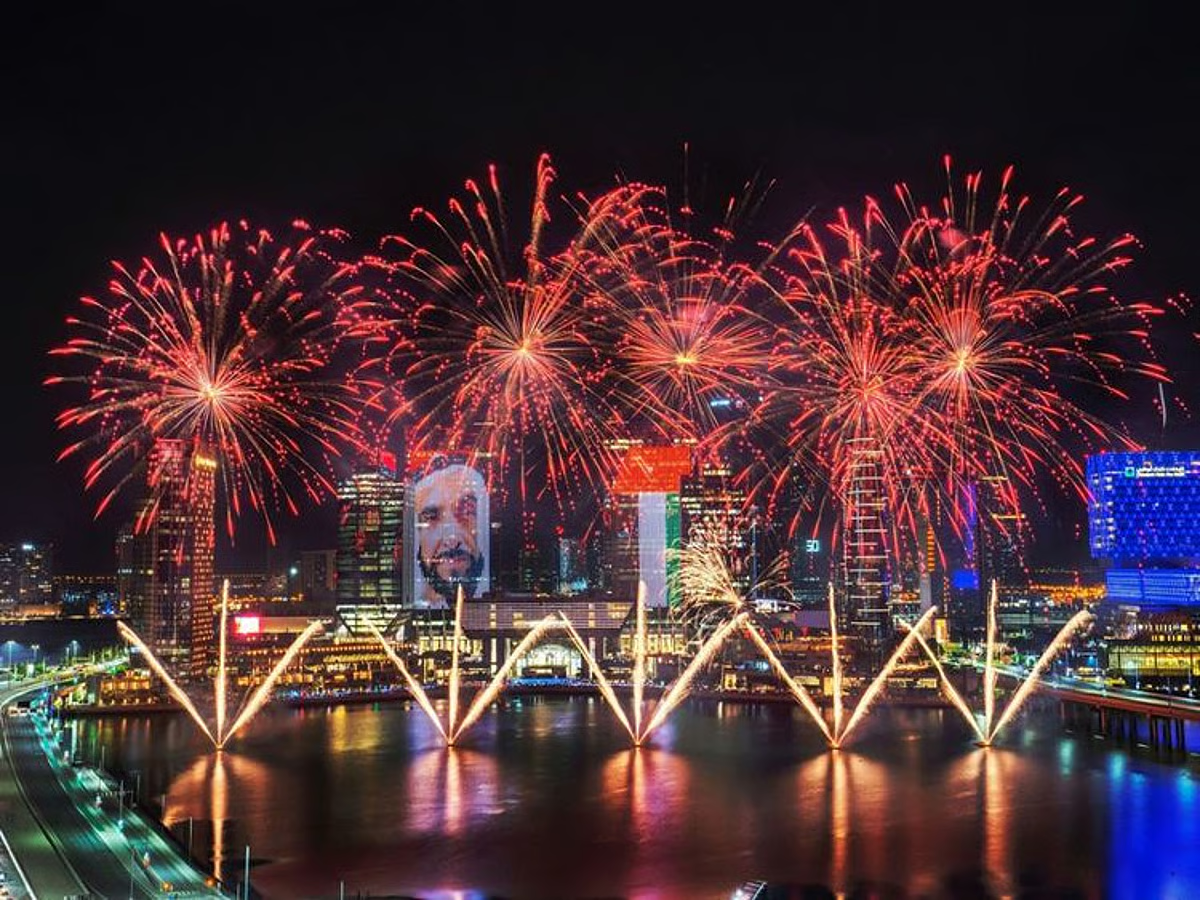
The Sheikh Zayed Festival, located in Al Wathba, is scheduled to run until March 22nd, while the Liwa Festival, centered around the iconic Tal Moreeb dune, concludes on January 3rd. Both events feature nightly fireworks displays, alongside a variety of activities designed to appeal to a broad audience. These festivals are key components of Abu Dhabi’s winter tourism strategy, aiming to boost local economies and showcase the region’s cultural identity.
Exploring the Sheikh Zayed Festival
The Sheikh Zayed Festival has expanded its offerings this season, according to organizers. Visitors can enjoy live performances, amusement park rides, and an ice-skating rink. The festival’s international pavilions showcase crafts, cuisine, and cultural traditions from around the globe, providing a diverse and engaging experience.
Heritage and Entertainment
A significant portion of the Sheikh Zayed Festival is dedicated to preserving and showcasing Emirati heritage. The Heritage Village features demonstrations of traditional crafts, falconry displays, and camel racing, offering insights into the region’s history and customs. These demonstrations aim to educate visitors about the importance of these traditions in Emirati culture.
The festival grounds are designed to accommodate large crowds, with designated viewing areas for the fireworks displays in the Camping Village, Heritage Village, and Majlis areas. Food and beverage vendors are also plentiful, offering a range of options to suit different tastes. The event’s popularity has led to increased traffic in the Al Wathba area, prompting authorities to encourage visitors to utilize public transportation where possible.
Liwa Festival: Desert Adventures and Cultural Displays
The Liwa Festival, situated in the Liwa Oasis, capitalizes on the dramatic desert landscape. The “Scary Mountain” dune, a popular destination for off-road enthusiasts, serves as a backdrop for the festival’s activities. This location provides a unique setting for experiencing Emirati culture and enjoying thrilling desert adventures.
Fireworks at the Liwa Festival can be viewed from the main festival areas, Liwa Village, and even from the surrounding dunes, offering a panoramic spectacle. The festival also features traditional performances and competitions, celebrating the region’s Bedouin heritage. The event contributes to the economic vitality of the Liwa Oasis, attracting visitors and supporting local businesses.
Tal Moreeb and Dune Bashing
Tal Moreeb, one of the highest dunes in the Liwa Oasis, is a central attraction during the festival. Visitors can witness thrilling dune bashing displays and participate in off-road adventures. The area’s challenging terrain attracts experienced drivers and provides a unique adrenaline rush for adventure seekers. Safety regulations are strictly enforced to ensure the well-being of participants.
However, the Liwa Festival’s remote location presents logistical challenges. Transportation and accommodation options are more limited compared to the Sheikh Zayed Festival, requiring visitors to plan accordingly. The Department of Culture and Tourism is working to improve infrastructure and accessibility in the Liwa Oasis to support future events.
Both festivals represent a significant investment in Abu Dhabi’s cultural and tourism sectors. The events aim to diversify the emirate’s economy and attract a wider range of visitors. The success of these festivals is measured not only by attendance numbers but also by their contribution to preserving and promoting Emirati heritage. Sheikh Zayed Festival organizers report consistently high visitor satisfaction rates.
Additionally, the festivals provide a platform for local artisans and businesses to showcase their products and services. This economic stimulus is particularly important for communities like Liwa Oasis, where tourism plays a vital role in sustaining livelihoods. The events also foster a sense of community pride and cultural identity among residents.
Meanwhile, the Department of Municipalities and Transport has implemented traffic management plans to mitigate congestion around both festival locations. Increased bus services and designated parking areas are being utilized to accommodate the influx of visitors. Authorities are also monitoring air quality and noise levels to minimize environmental impact.
In contrast to some international festivals, the Abu Dhabi events maintain a strong focus on cultural authenticity. While incorporating modern entertainment elements, the core emphasis remains on celebrating Emirati traditions and heritage. This approach differentiates the festivals and appeals to visitors seeking a genuine cultural experience. The Sheikh Zayed Festival, in particular, is known for its commitment to showcasing traditional arts and crafts.
Looking ahead, the Department of Culture and Tourism will likely evaluate the success of this year’s festivals based on visitor feedback, economic impact assessments, and environmental monitoring data. A decision regarding the dates and scope of next year’s events is expected in the spring. Potential expansions to the international pavilion offerings and improvements to transportation infrastructure are among the areas under consideration. The long-term sustainability of these festivals will depend on continued investment and a commitment to preserving their cultural integrity.