





By using this site, you agree to the Privacy Policy and Terms of Use.
Accept
Gulf PressGulf Press
  • Home
  • Gulf News
  • World
  • Business
  • Technology
  • Sports
  • Lifestyle
Search
Countries
More Topics
  • Health
  • Entertainment
Site Links
  • Customize Interests
  • Bookmarks
  • Newsletter
  • Terms
  • Press Release
  • Advertise
  • Contact
© 2023 Gulf Press. All Rights Reserved.
Reading: Where in the EU do the most people study multiple languages?
Share
Notification Show More
Latest News
Saudi–Ukrainian business talks enter new phase
Gulf
Qatar announces signing of “Commitment to Peace” by Colombian Government, self-designated EGC following two rounds of mediation in Doha
Gulf
Oman held by 10-man Morocco
Sports
Reparations loan is ‘very fragile’ and risky, Euroclear warns
World
Where to watch New Year’s Eve fireworks in Abu Dhabi
Gulf
Aa
Gulf PressGulf Press
Aa
  • Gulf News
  • World
  • Business
  • Entertainment
  • Lifestyle
  • Sports
Search
  • Home
  • Gulf
  • Business
  • More News
    • World
    • Technology
    • Lifestyle
    • Entertainment
    • Sports
Have an existing account? Sign In
Follow US
  • Terms
  • Press Release
  • Advertise
  • Contact
© 2023 Gulf Press. All Rights Reserved.
Gulf Press > World > Where in the EU do the most people study multiple languages?
World

Where in the EU do the most people study multiple languages?

News Room
Last updated: 2024/10/03 at 2:34 PM
News Room
Share
4 Min Read
SHARE

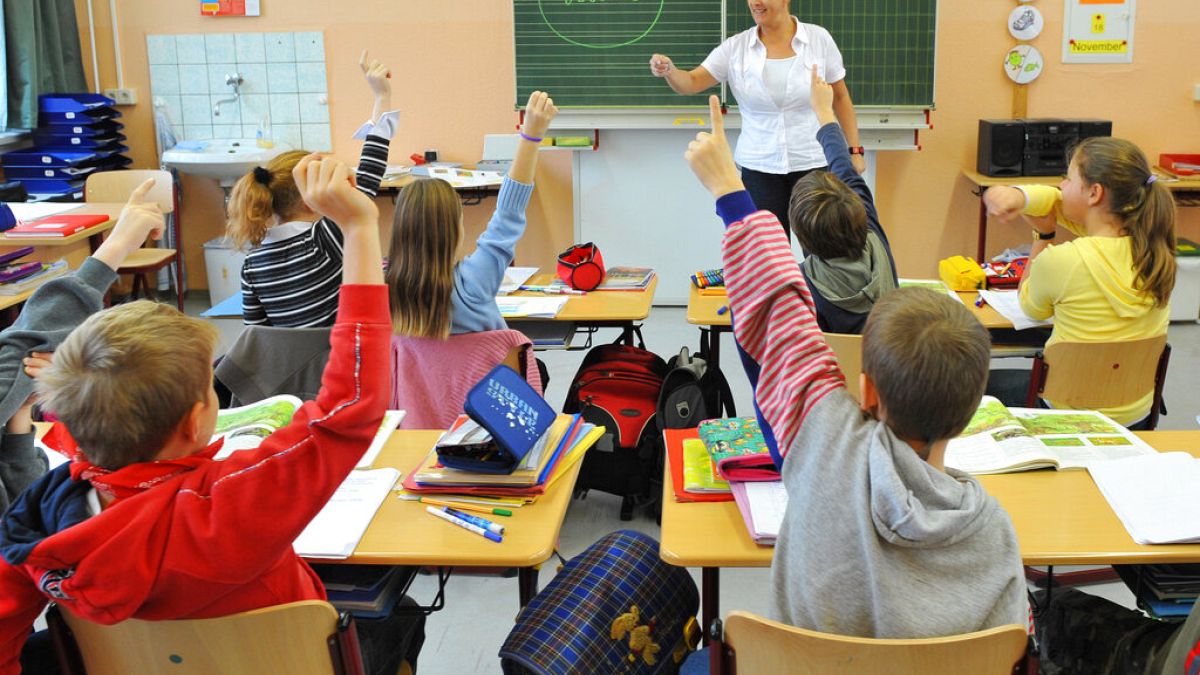
Learning foreign languages at an early age is crucial for a variety of reasons. In the EU, 6.5% of primary school students were learning two or more foreign languages in 2022, according to Eurostat. This early exposure to language learning has numerous benefits, such as improving understanding of the world, facilitating communication with others, enhancing travel experiences, expanding professional opportunities, and even potentially delaying the onset of Alzheimer’s. Despite the advantages, the rates of foreign language learning vary across EU countries, with some countries standing out for their high levels of multilingualism.

Luxembourg emerged as a leader in foreign language education, with 79.6% of primary school pupils studying two or more languages. This success can be attributed in part to the country’s unique linguistic landscape, where French and German are considered foreign languages for education statistics, despite being official languages. Other countries like Latvia, Greece, and Estonia also reported relatively high percentages of primary school students learning multiple languages. Overall, the prevalence of multilingual learning is increasing in the EU, with a rise from 4.6% to 6.5% between 2013 and 2022. However, some countries, like Poland and Luxembourg, experienced declines in foreign language learning participation.

Moving on to middle school education, 60.7% of pupils were learning two or more foreign languages in 2022. Countries like Finland, Italy, and Greece boasted high percentages of multilingual learners at this level. Finland’s unique language policy requires students to choose between Finnish and Swedish, which are both counted as foreign languages for statistical purposes. On the other hand, countries like Ireland, Hungary, and Austria reported lower rates of foreign language learning at the middle school level. Nevertheless, the overall trend across the EU indicates an increasing interest in multilingual education, with a rise from 58.4% to 60.7% between 2013 and 2022.

As multilingualism gains traction in European schools, the benefits of language learning become increasingly apparent. Apart from the practical advantages of linguistic competence in a globalized world, being able to communicate in multiple languages fosters intercultural understanding and social cohesion. Encouraging students to study foreign languages from an early age can open up a world of opportunities in terms of personal and professional growth. By investing in language education, countries can equip their citizens with the skills needed to thrive in a diverse and interconnected world, ultimately contributing to a more inclusive and harmonious society.

In conclusion, the importance of foreign language learning in schools cannot be overstated. The statistics from Eurostat highlight the varying levels of multilingual education across EU countries, with some nations excelling in providing language learning opportunities to their students. While challenges such as declining participation rates exist in certain countries, the overall trend indicates a positive shift towards greater multilingualism in European education systems. By recognizing the benefits of early language learning and investing in language education programs, countries can prepare their students for success in an increasingly interconnected world. In doing so, they not only promote individual growth but also contribute to the overall cultural diversity and unity of the European Union.


Sign Up For Daily Newsletter

Be keep up! Get the latest breaking news delivered straight to your inbox.
I have read and agree to the terms & conditions
By signing up, you agree to our Terms of Use and acknowledge the data practices in our Privacy Policy. You may unsubscribe at any time.
News Room October 3, 2024
Share this Article
Facebook Twitter Copy Link Print
Previous Article Coast Guard Police thwart illegal exit attempt by 13 expatriates
Next Article Juventus defender Bremer expected to be out for an extended period following knee surgery
Leave a comment Leave a comment

Leave a Reply Cancel reply

Your email address will not be published. Required fields are marked *

Stay Connected

235.3k Followers Like
69.1k Followers Follow
56.4k Followers Follow
136k Subscribers Subscribe
- Advertisement -
Ad imageAd image

Latest News

Saudi–Ukrainian business talks enter new phase
Gulf December 5, 2025
Qatar announces signing of “Commitment to Peace” by Colombian Government, self-designated EGC following two rounds of mediation in Doha
Gulf December 5, 2025
Oman held by 10-man Morocco
Sports December 5, 2025
Reparations loan is ‘very fragile’ and risky, Euroclear warns
World December 5, 2025

You Might also Like

World

Reparations loan is ‘very fragile’ and risky, Euroclear warns

December 5, 2025
World

Where in Europe is Trump the most popular?

December 5, 2025
World

European Commission hits Elon Musk’s X with €120 million fine

December 5, 2025
World

EU Commissioner for Energy explains phase-out of Russian gas imports

December 5, 2025
World

EU lawmakers backed end of Russian gas imports by 2027

December 5, 2025
World

Europe Today: NATO meeting, European job quality, Macron in China and Eurovision Song Contest

December 5, 2025
World

Social agenda is ‘existential’ for the EU, says Commissioner Mînzatu

December 4, 2025
World

European Investment Bank Group backs Commission’s AI gigafactory plan

December 4, 2025
//

Gulf Press is your one-stop website for the latest news and updates about Arabian Gulf and the world, follow us now to get the news that matters to you.

Quick Link

  • Privacy Policy
  • Terms of ue
  • Advertise
  • Contact

How Topics

  • Gulf News
  • International
  • Business
  • Lifestyle

Sign Up for Our Newsletter

Subscribe to our newsletter to get our latest news instantly!

I have read and agree to the terms & conditions
Gulf PressGulf Press
Follow US

© 2023 Gulf Press. All Rights Reserved.

Join Us!

Subscribe to our newsletter and never miss our latest news, podcasts etc..

I have read and agree to the terms & conditions
Zero spam, Unsubscribe at any time.

Removed from reading list

Undo
Welcome Back!

Sign in to your account

Lost your password?