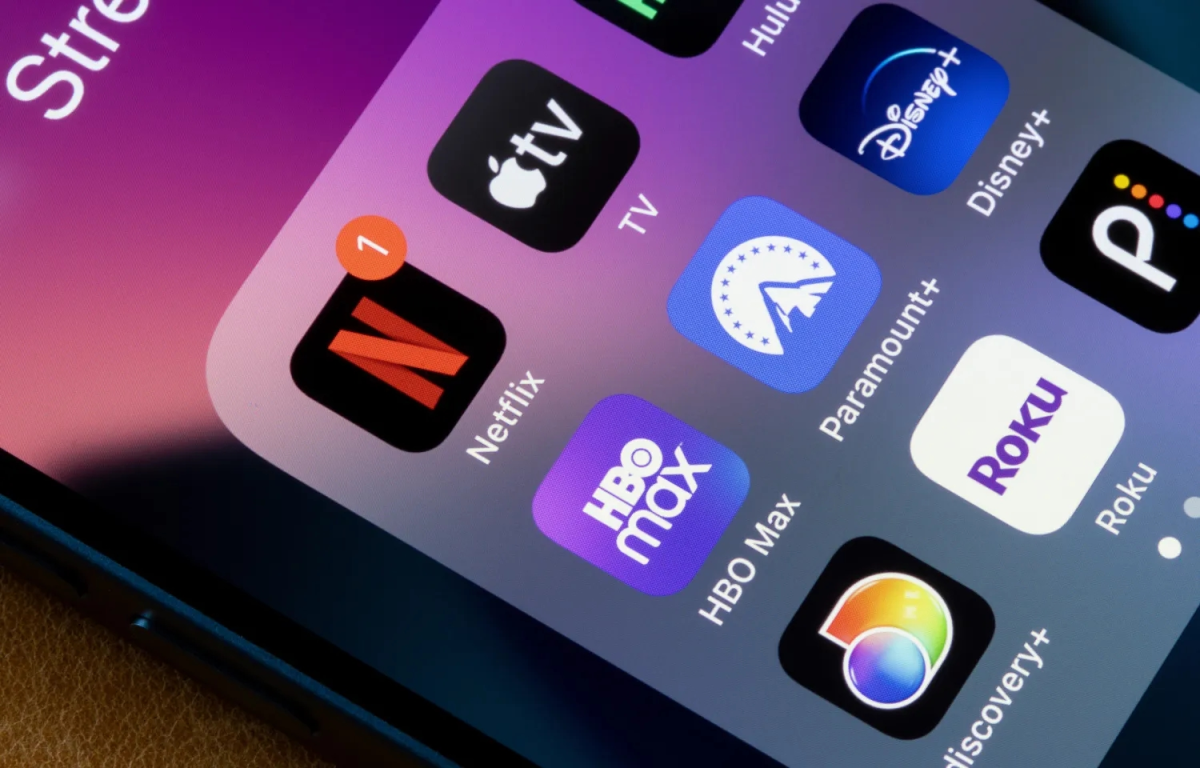

The streaming landscape is undergoing a seismic shift as Netflix, the dominant force in the industry with over 325 million subscribers, has agreed to acquire Warner Bros. Discovery’s (WBD) film and television studios, including HBO. This Netflix acquisition, valued at approximately $82.7 billion, promises to reshape Hollywood and consolidate power in the hands of the streaming giant. The deal, announced in December, brings iconic franchises like Game of Thrones, Harry Potter, and DC Comics under one corporate umbrella.
The move follows months of speculation about WBD’s future, driven by significant debt and the challenges of transitioning from traditional cable to the competitive streaming market. Industry analysts predict the merger will face intense regulatory scrutiny, potentially delaying or even blocking its completion, but the implications for consumers and content creators are already being debated.
What Led to the Netflix Acquisition of Warner Bros. Discovery?
Warner Bros. Discovery began exploring a sale of its entertainment assets in October after receiving unsolicited offers. The company, formed by the merger of WarnerMedia and Discovery, has been burdened with billions in debt since its inception. Declining cable subscriptions and the rising costs of competing in the streaming wars further exacerbated these financial pressures, forcing WBD to consider strategic alternatives.
Paramount Global initially emerged as a strong contender, even submitting a bid of roughly $108 billion. However, WBD’s board ultimately favored Netflix’s all-cash offer, which focuses specifically on the film and television assets, rather than a full company takeover. Concerns about Paramount’s own debt load and the associated risks also played a role in the decision.
Netflix recently amended its agreement to an all-cash offer of $27.75 per WBD share, a move designed to reassure investors and expedite the process. This commitment signals Netflix’s determination to finalize the deal despite ongoing challenges.
A Contentious Bidding War
Despite Netflix being designated the preferred buyer, Paramount did not concede easily. The company continued to pursue WBD, arguing that its offer presented a more comprehensive and beneficial solution. Last week, Paramount escalated the situation by filing a lawsuit seeking additional information about the Netflix agreement, alleging that WBD had unfairly restricted access to due diligence materials.
Paramount maintains that its proposal is superior, but WBD’s board has consistently rejected its advances, citing concerns about the financial stability of a combined entity burdened with approximately $87 billion in debt. The board prioritized a deal that would minimize risk and ensure the long-term viability of the acquired assets.
Regulatory Hurdles and Antitrust Concerns
The sheer size and scope of the Netflix acquisition have triggered significant concerns among regulators. The U.S. Department of Justice is expected to conduct a thorough antitrust review to assess the potential impact on competition within the media and entertainment industry. Several lawmakers, including Senators Elizabeth Warren, Bernie Sanders, and Richard Blumenthal, have already voiced their opposition, warning of potential price increases and reduced consumer choice.
Netflix co-CEO Ted Sarandos is scheduled to testify before a U.S. Senate committee this week, further highlighting the level of scrutiny the deal is facing. The Justice Department will likely examine whether the merger would create a monopoly or substantially lessen competition in the streaming market, as well as the potential effects on content production and distribution.
If regulators ultimately block the acquisition, Netflix would be required to pay a substantial breakup fee of $5.8 billion. The future of Warner Bros. Discovery would then be uncertain, potentially leading to further restructuring or a renewed search for a buyer.
Implications for Subscribers and the Industry
The entertainment industry has largely reacted negatively to the proposed merger. The Writers Guild of America has been a vocal critic, arguing that the deal would further concentrate power in the hands of a few large corporations and harm the interests of writers and other creative professionals. Concerns have also been raised about the potential for job losses and reduced investment in independent content.
For subscribers, the immediate impact is unclear. Netflix executives have stated that HBO’s existing operations will remain largely unchanged in the short term. However, the long-term implications for pricing and content availability remain uncertain. Sarandos has indicated that theatrical release plans for Warner Bros. films will continue as scheduled, but acknowledged that release windows could be shortened over time, potentially accelerating the shift towards streaming-first releases.
Secondary keywords like streaming services and media consolidation are central to understanding the broader context of this deal.
Looking Ahead
The next major step in the process is a stockholder vote by Warner Bros. Discovery, expected around April. Following that, the deal still requires regulatory approval, a process that could take 12 to 18 months. The outcome of the antitrust review and the potential for legal challenges from competitors will be key factors to watch. The future of the media landscape hinges on the successful navigation of these hurdles.