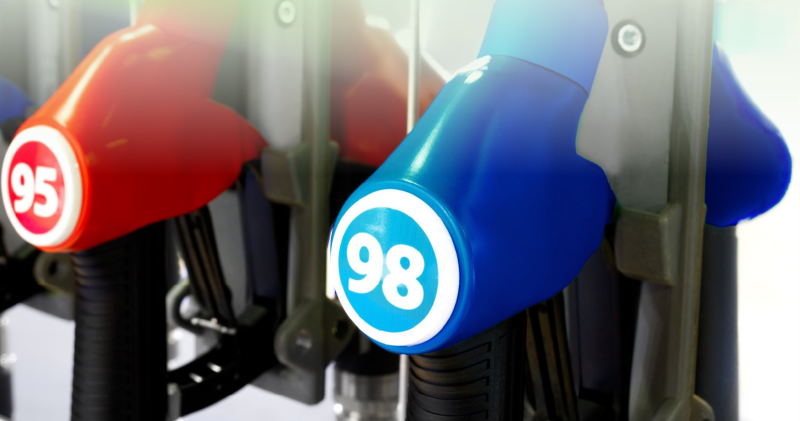

Riyadh, Saudi Arabia – Saudi Arabia is preparing to introduce Gasoline 98 to its fuel market, offering motorists a higher octane option. Saudi Fuel, the national fuel distributor, has released information clarifying the purpose, characteristics, and appropriate vehicle usage for this new fuel grade, emphasizing it’s designed for specific engine types. The rollout aims to cater to increasingly sophisticated vehicle technology within the Kingdom.
The addition of Gasoline 98 expands the options available to drivers, currently primarily utilizing Gasoline 91 and 95. According to Saudi Fuel, the new fuel is intended to optimize performance for vehicles with high-compression engines, a growing segment of the automotive market. The introduction comes as demand for premium fuels increases alongside the adoption of newer, more powerful vehicles.
Understanding Gasoline 98 and Octane Ratings
Gasoline 98 is characterized by a Research Octane Number (RON) of 98, a measurement of its resistance to premature ignition, or “knocking,” within an engine’s combustion chamber. A higher octane rating doesn’t mean the fuel produces more energy; rather, it allows engines with higher compression ratios to operate more efficiently and prevent damage. The fuel’s composition focuses on creating this increased resistance to pressure.
What is Octane and Why Does It Matter?
Octane is a critical specification for gasoline, providing an indication of stability during compression. Engines designed for higher compression benefit from fuels with higher octane ratings. Knocking can reduce engine performance and, over time, cause significant engine damage, making the correct octane level crucial.
How Saudi Arabia Measures Octane
Saudi Arabia, like most nations globally, utilizes the RON system to classify gasoline. However, some countries employ different measurement scales, such as the Anti-Knock Index (AKI), which generally results in lower reported octane numbers—typically four to five points less than RON. This difference in methodology means a fuel rated “98” in Saudi Arabia would not necessarily have the same rating elsewhere. The use of a standardized RON system provides clarity for consumers within the Kingdom.
Is Gasoline 98 Right for Your Vehicle?
Saudi Fuel strongly advises against using Gasoline 98 in vehicles not specifically designed for it. Engines with lower compression ratios will not realize any performance benefits from the higher octane fuel; using it provides no added value and represents an unnecessary expense. The organization emphasizes that using the manufacturer-recommended fuel grade is the optimal choice for most drivers.
Vehicles that are likely to benefit from Gasoline 98 include those with turbocharged or supercharged engines, as well as high-performance cars engineered for higher compression. These engines are built to withstand greater pressure, and using a fuel with an insufficient octane rating can lead to performance issues. Consulting the vehicle’s owner’s manual or contacting an authorized dealer is the recommended method for confirming fuel compatibility.
The “Right” Fuel, Not Necessarily the “Best”
There’s a common misconception that higher octane fuel is universally superior. However, Saudi Fuel asserts that the “best” fuel is simply the one tailored to a vehicle’s specific engine requirements. Different fuel grades are formulated to balance performance, fuel efficiency, and operating costs for various engine types. Choosing the wrong grade can actually reduce efficiency or provide no improvement.
Understanding fuel grades and their compatibility is becoming increasingly important as vehicle technology evolves. The availability of high-octane fuel, like Gasoline 98, reflects this trend. Motorists should familiarize themselves with the specific needs of their vehicles to ensure optimal operation. Proper fuel selection can contribute to both vehicle longevity and overall cost savings.
The nationwide availability of Gasoline 98 is expected within the next few weeks, although specific timelines for different regions remain subject to final logistical arrangements. Saudi Fuel has indicated ongoing monitoring of market demand and vehicle parc composition will inform future fuel grade adjustments. Further announcements regarding pricing and distribution will be made by the ministry as the rollout progresses, and consumers are advised to stay informed through official channels.