








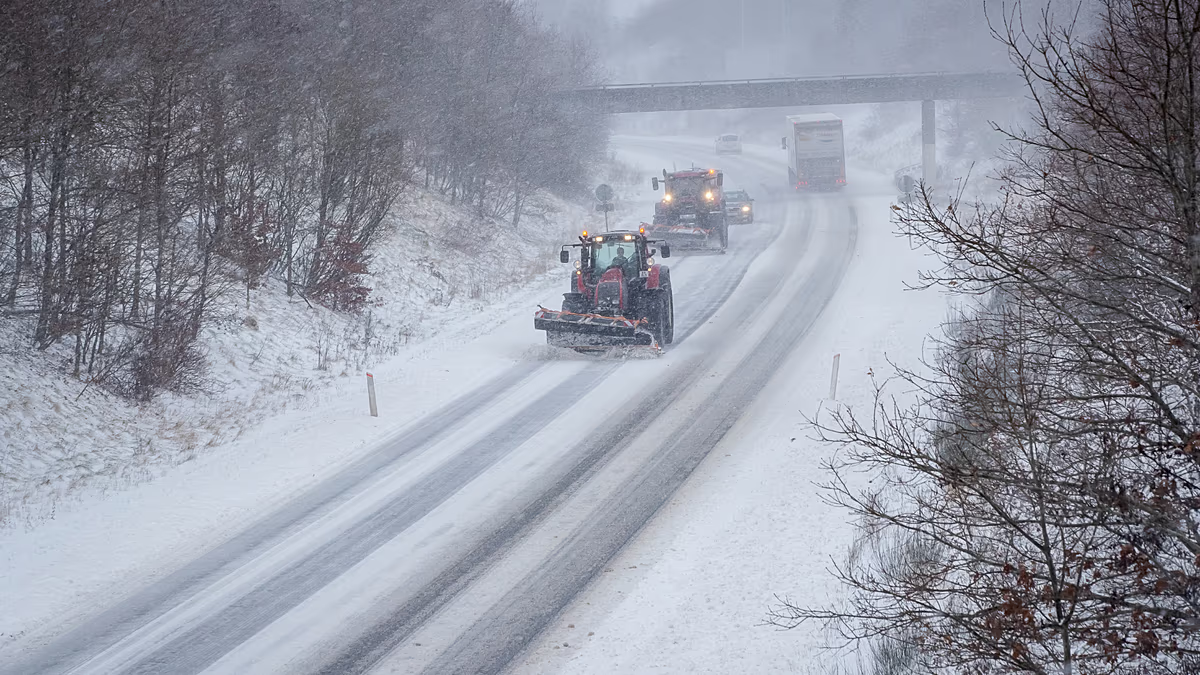

Recent severe snowstorms across Europe have caused widespread disruption, including travel cancellations, power outages, and tragically, more than 10 deaths. While Europe isn’t unfamiliar with winter weather, the intensity of Storm Goretti has raised questions about preparedness compared to regions like Canada, which routinely face similar conditions. Experts suggest a combination of proactive infrastructure, mandatory safety measures, and a cultural expectation of severe winter weather contribute to Canada’s smoother handling of heavy snowfall.
The impact has been particularly acute in countries less accustomed to significant snowfall. In Germany, up to 20cm of snow has led to rail service suspensions, while in the Paris region, authorities removed 10,000 buses from the roads. Amsterdam Schiphol airport cancelled over 700 flights due to snow and strong winds. This has prompted a discussion about whether European nations are adequately prepared for increasingly frequent and intense winter weather events.
Why Canada Handles Snowstorms Differently
A key difference lies in preparedness. Patrick de Bellefeuille, speaking to Euronews, highlighted that Canadians routinely check weather forecasts and are well-equipped for winter conditions. “Every household has a bucket of de-icing agent,” he explained, adding that vehicles are typically stocked with shovels, battery boosters, and winter windshield fluid. This proactive approach contrasts with reports of surprise and disruption in some European cities.
Municipal and Governmental Preparation
Canadian municipalities also prioritize preventative measures. Authorities carefully plan the application of de-icers and abrasives based on temperature, utilizing sand and gravel for extremely cold conditions and salt-based abrasives when temperatures are near freezing. Additionally, Quebec has a law mandating the use of winter tires from December 1st to March 15th, a measure that significantly improves road safety. The province also incorporates five designated “snow days” into the school calendar, prioritizing student safety during hazardous conditions.
Infrastructure and Routine
Canada’s experience with frequent snowfall has also driven investment in specialized infrastructure. Montréal airport, for example, boasts an extensive aircraft de-icing system capable of handling multiple planes simultaneously. While delays can occur, cancellations are less common due to the proactive clearing of runways using specialized equipment. This contrasts with locations like Brussels, where such infrastructure may be less readily available due to the infrequency of severe snowstorms.
However, even with robust preparation, disruptions can occur. De Bellefeuille emphasized the importance of staying home when possible and reducing speed while driving in snowy conditions. He also suggested that older individuals utilize shoe grips to prevent slips and falls on sidewalks.
The Role of Climate Change and Future Preparedness
Looking ahead, experts suggest that Europe may need to adapt to more frequent extreme weather events. Studies indicate that climate change could lead to more pronounced temperature swings, even as average temperatures rise. A potential slowdown of the Gulf Stream, linked to melting polar ice, could contribute to colder winters in Europe. The National Oceanic and Atmospheric Administration (NOAA) provides further information on the Gulf Stream and its potential impacts.
This means investing in improved infrastructure, adopting mandatory winter tire policies, and refining emergency response plans will be crucial. Considering alternative transportation solutions, such as equipping buses with snow tires or chains, could also mitigate disruptions. Ultimately, learning from regions like Canada, which have developed effective strategies for managing heavy snowfall, will be essential for ensuring public safety and minimizing economic impact in a changing climate. As winter weather patterns continue to evolve, proactive adaptation and preparedness will be key to navigating the challenges ahead.
The recent events serve as a stark reminder of the need for ongoing assessment and investment in winter weather resilience across Europe. Staying informed about local weather forecasts and heeding safety advice remains the best defense against the hazards of snowstorms.

