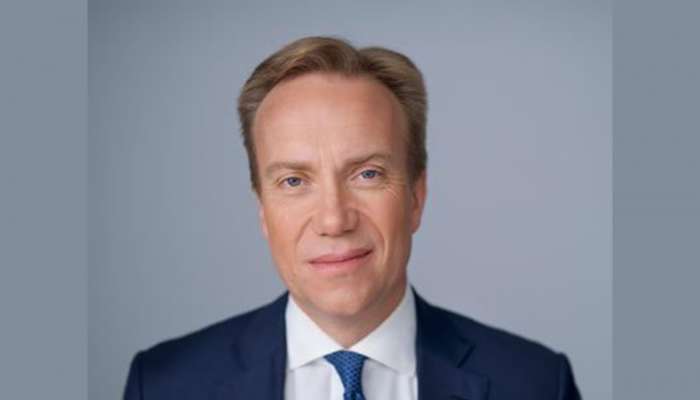

The annual gathering of global leaders at the World Economic Forum (WEF) in Davos, Switzerland, is rapidly approaching, scheduled for January 19-23, 2026. Despite a complex geopolitical landscape and significant economic challenges, optimism prevails regarding the potential for dialogue and collaborative solutions. WEF CEO and President Børge Brende emphasizes the surprising resilience of the global economy, largely fueled by advancements in artificial intelligence and other cutting-edge technologies.
Davos 2026: Navigating a New World Order
The 56th Annual Meeting of the WEF will bring together nearly 3,000 leaders from over 130 countries. This year’s forum takes place at a pivotal moment, marked by ongoing conflicts, economic uncertainty, and a period of rapid technological transformation. Brende acknowledges the emergence of a “new world order,” expressing hope that it won’t revert to a more confrontational, “law of the jungle” dynamic.
He stresses the importance of finding pathways for navigation in this evolving environment, noting that business and trade, like water, will naturally seek routes forward. The WEF aims to facilitate these connections and foster constructive conversations.
The Role of Technology and Innovation
A central theme of Davos 2026 will be the transformative power of technology. Brende highlights the remarkable progress in artificial intelligence (AI), suggesting that it could accelerate research and development by compressing decades of work into just a few years.
He also points to groundbreaking research in nuclear fusion, particularly at CERN, as a potential game-changer. “What CERN is doing in fusion is revolutionary; it’s a goldmine,” he stated. The prospect of clean, safe, and abundant nuclear energy offers a beacon of hope amidst global challenges. This focus on technological advancement is reflected in the high-profile attendance of tech giants like Nvidia’s Jensen Huang and Microsoft’s Satya Nadella.
Addressing Global Economic Concerns
While acknowledging the positive impact of AI on economic resilience, Brende doesn’t shy away from addressing significant economic headwinds. He points to global debt levels, currently at their highest point since 1945, as a major structural challenge.
“Debt interest is the largest item in some countries’ budgets,” he warned, underscoring the financial strain on nations worldwide. Despite these concerns, Brende remains cautiously optimistic, attributing the economy’s current stability to substantial investments in AI and related technologies. He believes that innovation is key to overcoming these economic hurdles.
Geopolitical Risks and the Path Forward
The WEF meeting will also address pressing geopolitical issues, including the ongoing conflicts in Ukraine and Gaza. Brende emphasizes the importance of inclusivity, noting the WEF’s commitment to representing diverse perspectives by including presidents from Africa, Latin America, and Asia.
High-profile attendees will include Egyptian President Abdel-Fattah al-Sisi, Ukrainian President Volodymyr Zelensky, and former US President Donald Trump, ensuring a broad range of viewpoints are represented. However, Brende identifies the greatest risk as a full-scale escalation into a major war, acknowledging the potentially devastating consequences, even while assessing the probability as relatively low.
The WEF’s Approach to Global Challenges
Brende emphasizes the WEF’s role as a convener, a platform for bringing together diverse leaders to address complex global issues. He stresses the importance of influencing positive outcomes through dialogue and collaboration, while also cautioning against over-communication, which he believes can be counterproductive.
The World Economic Forum aims to foster a space for constructive engagement, recognizing that solutions require a collective effort. The organization’s focus extends beyond immediate crises to encompass long-term strategic thinking and the exploration of innovative solutions. The forum’s commitment to inclusivity and diverse representation is crucial in navigating the complexities of the modern world.
In conclusion, the World Economic Forum (WEF) in Davos 2026 is poised to be a critical gathering amidst a period of unprecedented change. While acknowledging the significant challenges facing the global community – from geopolitical tensions to economic instability and rising debt – the WEF, under the leadership of Børge Brende, remains focused on the potential for collaboration and the transformative power of technology. The emphasis on global cooperation and sustainable development will be central to the discussions, aiming to chart a course towards a more resilient and equitable future. The outcomes of these discussions will undoubtedly shape the global agenda for the year ahead, making Davos a pivotal event for leaders and observers alike.