
Formula 1 fans traveling to the 2025 Abu Dhabi Grand Prix can anticipate generally mild and sunny conditions, though specific forecasts remain distant. Current long-range climate data suggests typical November weather for the region, with daytime highs around 28°C (82°F) and minimal rainfall. Understanding the Abu Dhabi GP weather is crucial for planning travel and race-day attire.
The race, scheduled for November 23, 2025, at the Yas Marina Circuit, will likely see comfortable temperatures during the day, cooling to the low 20s Celsius (around 70°F) in the evening. This contrasts with the intense heat experienced during earlier parts of the year in the United Arab Emirates. The Yas Marina Circuit is an outdoor venue, making conditions a significant factor for both drivers and spectators.
Predicting the Abu Dhabi GP Weather
Long-range weather forecasting for events over a year away is inherently challenging. However, historical climate data provides a reasonable baseline for expectations. According to the UAE’s National Center of Meteorology, November in Abu Dhabi typically experiences an average high of 28°C and a low of 21°C.
Historical Trends
Reviewing past Abu Dhabi Grand Prix races reveals a consistent pattern of pleasant weather. The race has consistently been held in relatively dry conditions, with only occasional brief showers reported. Data from previous years indicates humidity levels are generally moderate in November, making conditions more bearable than during the summer months.
However, variations do occur. The report indicates that in 2019, a slightly wetter November was recorded, with a small amount of rainfall during the race weekend. This highlights the possibility, though statistically low, of encountering some precipitation.
Factors Influencing the Forecast
Several atmospheric factors will influence the actual weather conditions in November 2025. These include the prevailing wind patterns, the strength of the Asian monsoon, and the presence of any high or low-pressure systems over the Arabian Peninsula. Additionally, sea surface temperatures in the Persian Gulf can play a role in local humidity levels.
The El Niño-Southern Oscillation (ENSO) is another factor meteorologists will monitor. ENSO events can have a global impact on weather patterns, and a strong El Niño or La Niña could potentially alter the typical November climate in Abu Dhabi. The current ENSO outlook is still developing, making it difficult to predict its influence at this stage.
Implications for the Race and Fans
The expected Abu Dhabi race weather presents a generally favorable scenario for both the Formula 1 teams and the spectators. Moderate temperatures reduce the risk of heat stress for drivers, minimizing the need for extreme cooling measures within their suits and cockpits.
Impact on Tire Strategy
Tire degradation is a critical element of Formula 1 race strategy. The predicted temperatures are likely to fall within a range where teams can utilize a variety of tire compounds without excessive wear or performance loss. This allows for more strategic flexibility during the race.
In contrast, excessively hot conditions can lead to rapid tire degradation, forcing teams to adopt more conservative strategies. Conversely, significantly cooler temperatures can make it difficult to get the tires into their optimal operating window.
Fan Experience
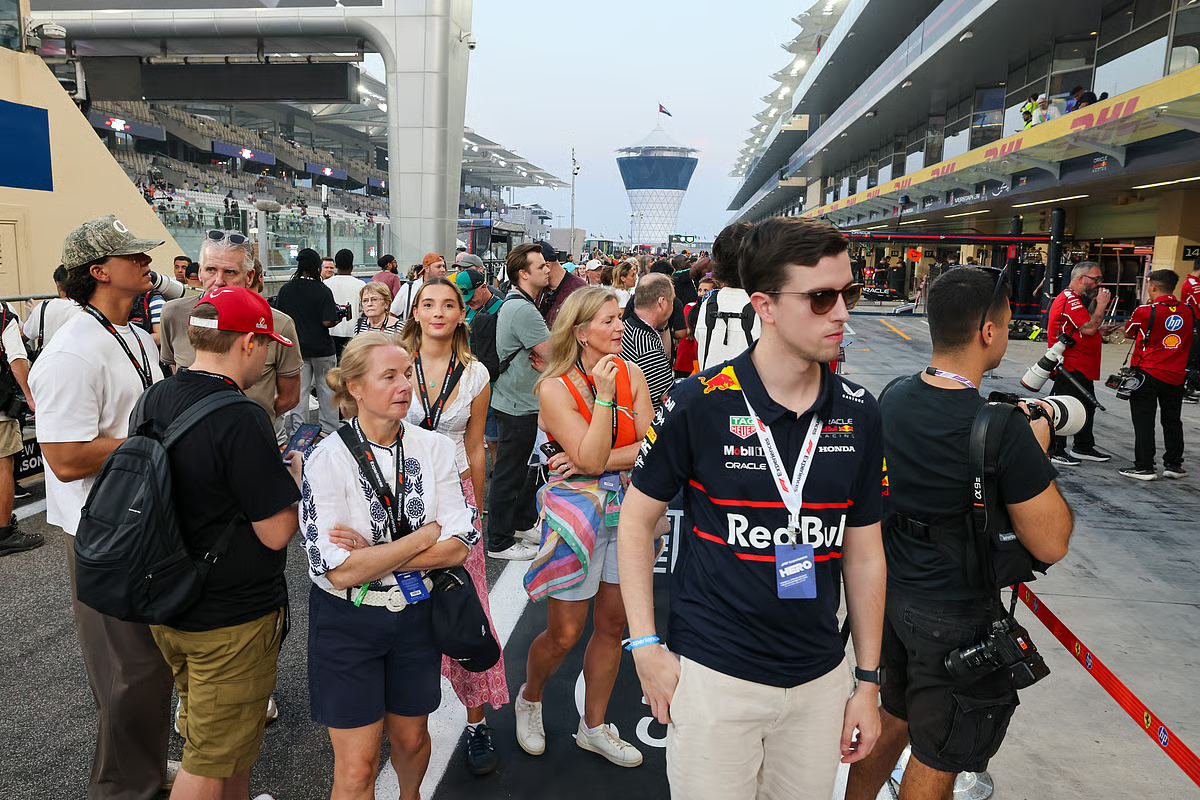
Spectators attending the Formula 1 Abu Dhabi event should prepare for warm days and mild evenings. Lightweight, breathable clothing is recommended, along with sunscreen, hats, and sunglasses. Staying hydrated is also crucial, particularly during the daytime hours.
While the risk of heavy rainfall is low, it’s advisable to check the updated forecast closer to the race date and pack a light rain jacket or umbrella as a precaution. The Yas Marina Circuit offers shaded seating areas, but fans should also be prepared to spend time in direct sunlight.
Beyond Temperature: Humidity and Wind
While temperature is a primary concern, humidity and wind speed also contribute to the overall comfort level. The UAE’s National Meteorological Centre reports average humidity in Abu Dhabi during November is around 60-70%. This can make temperatures feel warmer than they actually are.
Wind speeds are typically moderate, but occasional gusts can occur, particularly near the coastline. These gusts could potentially affect car handling, although the Yas Marina Circuit is relatively sheltered from strong winds. Monitoring wind conditions will be important for teams during practice and qualifying sessions. The Grand Prix is a complex event, and all factors must be considered.
The potential for dust or sandstorms, while less common in November, cannot be entirely ruled out. These events can significantly reduce visibility and necessitate the use of caution flags during the race.
The next significant update to the long-range forecast is expected in early Spring 2025, providing a more refined outlook. Teams and fans should continue to monitor weather reports from reputable sources as the race date approaches. The accuracy of these forecasts will improve as the event draws nearer, allowing for more informed planning and preparation.