
India’s economy has demonstrated remarkable resilience and growth, achieving an impressive 8.2% expansion in the second quarter of the fiscal year 2025-26. This significant surge, a considerable leap from the 5.6% recorded during the same period last year, signals a strengthening economic landscape and renewed optimism for sustained progress. Experts attribute this positive trajectory to a combination of structural reforms, strategic investments, and consistent policy direction.
India’s Economic Growth: A Detailed Look at the 8.2% Surge
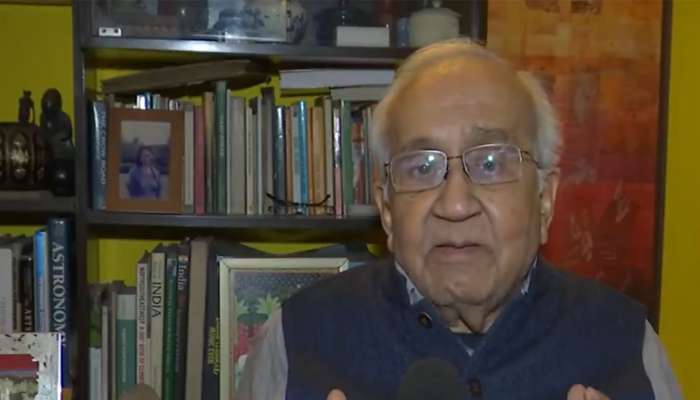
The recent economic data has been met with enthusiasm from economists and government officials alike. Noted economist Kirit Parikh, speaking to ANI, described the 8.2% growth as “certainly, a very good achievement, and we should continue.” His optimism stems from the belief that India is poised to maintain this momentum, fueled by ongoing governmental initiatives.
This growth isn’t simply a fleeting moment; it represents a culmination of efforts across multiple sectors. The manufacturing sector, construction industry, financial services, real estate, and professional services are all contributing to increased productivity and a more dynamic economic environment. This broad-based expansion is a key indicator of the economy’s underlying strength.
Factors Driving the Economic Acceleration
Several key factors are contributing to this impressive economic performance. Parikh highlighted the importance of structural reforms, specifically mentioning the liberalization of Goods and Services Tax (GST) rates and the implementation of a new labor policy. These changes aim to streamline processes, reduce bureaucratic hurdles, and encourage investment.
Furthermore, long-term investments in infrastructure are beginning to yield positive results. “The kind of things we have done in infrastructure, roads, and connectivity… these are investments that take time to mature or yield results,” Parikh explained. The improved connectivity is facilitating smoother trade, reducing logistical costs, and boosting overall economic activity. This focus on infrastructure development is proving to be a cornerstone of India’s economic strategy.
Government Policies and the Path to Sustained Growth
Union Minister Piyush Goyal directly attributed the robust economic performance to the policy direction set by Prime Minister Narendra Modi. Speaking at the National Padyatra commemorating the 150th birth anniversary of Sardar Vallabhbhai Patel, Goyal emphasized the Prime Minister’s role in fortifying the Indian economy and enhancing its global reputation.
He stated that the 8.2% growth is a direct result of PM Modi’s leadership and his efforts to guide the country’s economic trajectory. This sentiment was echoed in a post on X (formerly Twitter), where Goyal highlighted the growth as a reflection of India’s increasing strength. He further emphasized the importance of “policy consistency and continuity” under Modi’s leadership, which he believes is powering long-term stability and growth.
The Role of Manufacturing and Financial Sectors
The contribution of the manufacturing and financial sectors to this growth is particularly noteworthy. Increased investment in manufacturing, driven by government incentives and a favorable business environment, is boosting production and creating employment opportunities. Simultaneously, a robust financial sector is providing the necessary capital for businesses to expand and innovate.
This synergy between manufacturing and finance is creating a virtuous cycle of economic growth. The government’s focus on financial inclusion and promoting entrepreneurship is further strengthening these sectors. Additionally, the real estate sector is experiencing a revival, fueled by increased demand and favorable lending rates.
Looking Ahead: Maintaining the Momentum
The 8.2% growth rate represents a significant achievement for the Indian economy. However, sustaining this momentum will require continued commitment to structural reforms, strategic investments, and consistent policy implementation. Experts believe that India has the potential to maintain this pace in the long run, but it will require navigating global economic challenges and addressing domestic constraints.
The government’s focus on economic reforms and infrastructure development will be crucial in ensuring sustained growth. Furthermore, fostering a conducive environment for investment, promoting innovation, and enhancing skill development will be essential for unlocking India’s full economic potential.
In conclusion, India’s recent economic performance is a testament to the effectiveness of its economic policies and the resilience of its economy. The 8.2% growth in the second quarter of 2025-26 is a positive sign for the future, but continued efforts will be needed to maintain this momentum and achieve long-term sustainable growth. This impressive figure underscores India’s position as a rising global economic power and invites further investment and collaboration.