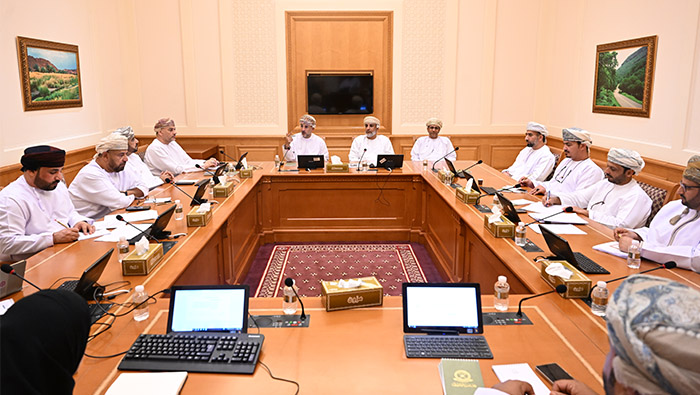

The Sultanate of Oman continues to prioritize the development of its youth and workforce, as demonstrated by the recent activities of the Shura Council’s Youth and Human Resources Committee. This committee plays a vital role in shaping policies related to Oman’s labour market, ensuring that the nation’s growing population has the opportunities and support needed to thrive. Their latest meeting tackled crucial issues ranging from sports and cultural development to wage protection and the movement of foreign workers, highlighting a comprehensive approach to human capital enhancement.
Focus on Community Sports and Cultural Teams
The second meeting of the Youth and Human Resources Committee, held on Tuesday during the Third Annual Sitting (2025–2026) of the Tenth Term (2023–2027), was chaired by Younis Al Mandhari. At the core of the discussions was a proposal aimed at bolstering community-based sports and cultural teams. The presenting member underscored the necessity of a supportive regulatory framework to aid these groups in flourishing and strengthening their community ties.
Strengthening the Regulatory Environment
Committee members expressed their support for the proposal’s core principles. Deliberations then focused on establishing robust governance structures for these teams. They explored the government’s broader vision for developing both community and sports sectors, alongside pinpointing specific legislative and regulatory changes needed to achieve desired results. Effective governance is seen as crucial for attracting investment and ensuring the sustainability of these teams. The emphasis is on fostering a vibrant cultural and sporting landscape at the grassroots level.
Wage Protection Systems and Foreign Worker Regulations
Beyond community initiatives, the committee addressed critical aspects of employee rights and the management of the foreign workforce. A thorough review was conducted of the Council of Ministers’ response to the Committee’s earlier report on the Wage Protection System (WPS). This review involved noting observed progress in implementing vital social programs linked to the WPS.
Members exchanged perspectives on areas necessitating continued oversight and improvement. This is to assure a clear path for enhanced integration between legislative and executive bodies, all working together to champion Oman’s social policies. The WPS is a key element in safeguarding the financial well-being of workers within the Sultanate.
Furthermore, the Committee examined the government’s response to its proposal concerning restrictions on foreign worker travel without employer consent. This continued follow-up demonstrates the Committee’s commitment to addressing matters falling under its legislative purview and refining existing regulations.
Domestic Worker Regulation and the ‘Tawteen’ Platform
The meeting agenda also included a detailed examination of the Ministry of Labour’s recently implemented Domestic Workers Regulation. The committee carefully assessed the organizational controls governing the relationship between employers and domestic workers. This regulation aims to standardize employment terms and conditions, providing greater protection and clarity for both parties involved.
In addition to the regulation, the Committee reviewed the “Tawteen” platform, a significant initiative to connect Omani job seekers with available employment opportunities. This platform seeks to improve the efficiency of the national labour market and actively promote the upskilling of the Omani workforce. The ‘Tawteen’ platform is a central component of Oman’s Vision 2040, which prioritizes economic diversification and increased Omani participation in the workforce.
Bridging the Skills Gap and Future Planning
Recognizing the importance of aligning education with industry needs, the Committee proposed inviting specialists from the Sector Skills Unit for the industrial sector. This engagement will focus on identifying the latest skill requirements and exploring strategies to strengthen the connection between educational outcomes and the demands of the labour market. This proactive approach is essential for ensuring that Omani graduates possess the skills needed to succeed in a rapidly evolving economy.
Finally, the Committee dedicated time to outlining its executive plan for the Third Annual Sitting. This involved identifying priority areas for legislative review and coordinating meetings and consultations to support their ongoing work. The plan reflects a strategic focus on addressing key challenges and opportunities within the youth and human resources landscape of Oman.
Looking Ahead: Investing in Oman’s Future
The Youth and Human Resources Committee’s recent meeting underscores the Sultanate of Oman’s dedication to fostering a thriving and empowered citizenry. By focusing on community development, workforce development, and the protection of worker rights, the Committee is actively contributing to the nation’s long-term economic and social prosperity. The ongoing review of policies and regulations, coupled with initiatives like the ‘Tawteen’ platform, demonstrates a commitment to creating a dynamic and inclusive labour market. Continued collaboration between the Shura Council, the Council of Ministers, and the Ministry of Labour will be crucial in translating these discussions into tangible benefits for the people of Oman. Stay informed about the latest developments in Omani labour policy by following the Shura Council’s official website and news channels.