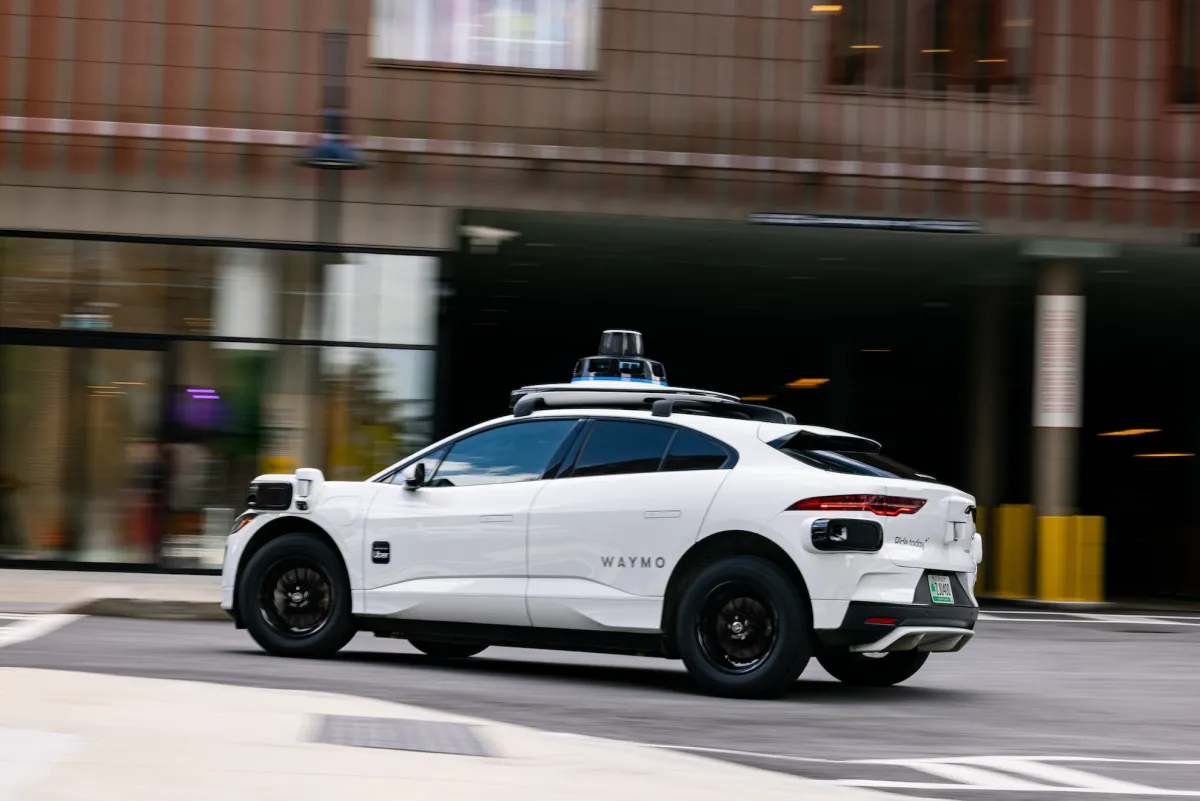

Waymo is planning a voluntary software recall affecting its robotaxi fleet, prompted by concerns from federal regulators and school districts regarding the vehicles’ behavior around stopped school buses. The National Highway Traffic Safety Administration (NHTSA) has been investigating incidents where Waymo vehicles appeared to navigate inappropriately near buses with extended stop signs and flashing lights. The company intends to file the recall early next week, though a software update addressing the issue was already deployed on November 17th, according to internal statements.
Waymo Robotaxi Safety Under Scrutiny
The decision to issue the recall comes after heightened scrutiny from NHTSA’s Office of Defects Investigation (ODI), which began examining Waymo’s operations following a reported incident in Atlanta. Footage showed a Waymo vehicle crossing in front of a stopped school bus as it discharged children. Further reports surfaced in Austin, Texas, where Waymo operates in partnership with Uber, raising similar safety questions.
NHTSA Investigation and School District Concerns
NHTSA formally requested detailed information from Waymo about its fifth-generation self-driving system in early December. This followed reports from the Austin School District alleging 19 instances of Waymo autonomous vehicles improperly passing school buses this year. The school district shared a letter detailing its concerns with the NHTSA, contributing to the agency’s deeper investigation.
Waymo maintains a strong safety record, asserting its vehicles experience twelve times fewer injury crashes involving pedestrians compared to human drivers. However, company Chief Safety Officer Mauricio Peña acknowledged the need for improvement in specific scenarios. “Holding the highest safety standards means recognizing when our behavior should be better,” Peña stated. When addressing the issue, Waymo made clear that no incidents resulting in injury have been linked to this specific behavior.
The Increasing Prevalence of Software Recalls
Software recalls are becoming a more common occurrence in the automotive industry as vehicles increasingly rely on complex computer systems to operate. Unlike traditional vehicle recalls addressing physical defects, software recalls involve updates to the vehicle’s code to correct errors or improve functionality. This proactive approach to safety is inherent in the design of modern, software-driven cars and self-driving cars.
This isn’t Waymo’s first voluntary software recall. The company previously issued recalls earlier in 2024, including one connected to an incident in Phoenix where a Waymo vehicle, operating without a human safety driver, collided with a telephone pole during a maneuver.
The specific update deployed on November 17th focuses on improving the autonomous driving system’s ability to slow and stop appropriately when encountering school buses. Waymo reports this update has already demonstrably improved performance in these scenarios. However, the formal recall process aims to ensure consistent and verifiable safety standards across the entire fleet.
Implications for the Robotaxi Industry
The situation highlights the unique challenges associated with deploying and regulating fully autonomous vehicles. While the technology holds promise for increased safety and efficiency, ensuring its reliability in all real-world scenarios, particularly those involving vulnerable road users like children, requires ongoing vigilance. Furthermore, the increasing regulatory focus on Waymo may influence safety expectations for other companies developing similar technology.
The recent issues and resulting recall will likely spur a more cautious approach to expansion plans. It may also prompt further discussion about the level of oversight needed for autonomous vehicle testing and deployment. Additionally, it underscores the importance of robust data collection and analysis to identify and address potential safety concerns as they emerge.
Looking ahead, Waymo plans to continue investigating and refining its software. The company’s next step is filing the official recall documentation with NHTSA, outlining the scope of the issue and the corrective action taken. The agency will then review the submission and may request additional information. It remains to be seen whether NHTSA will require further action from Waymo or impose stricter regulations on its operations, and the industry will be watching closely.