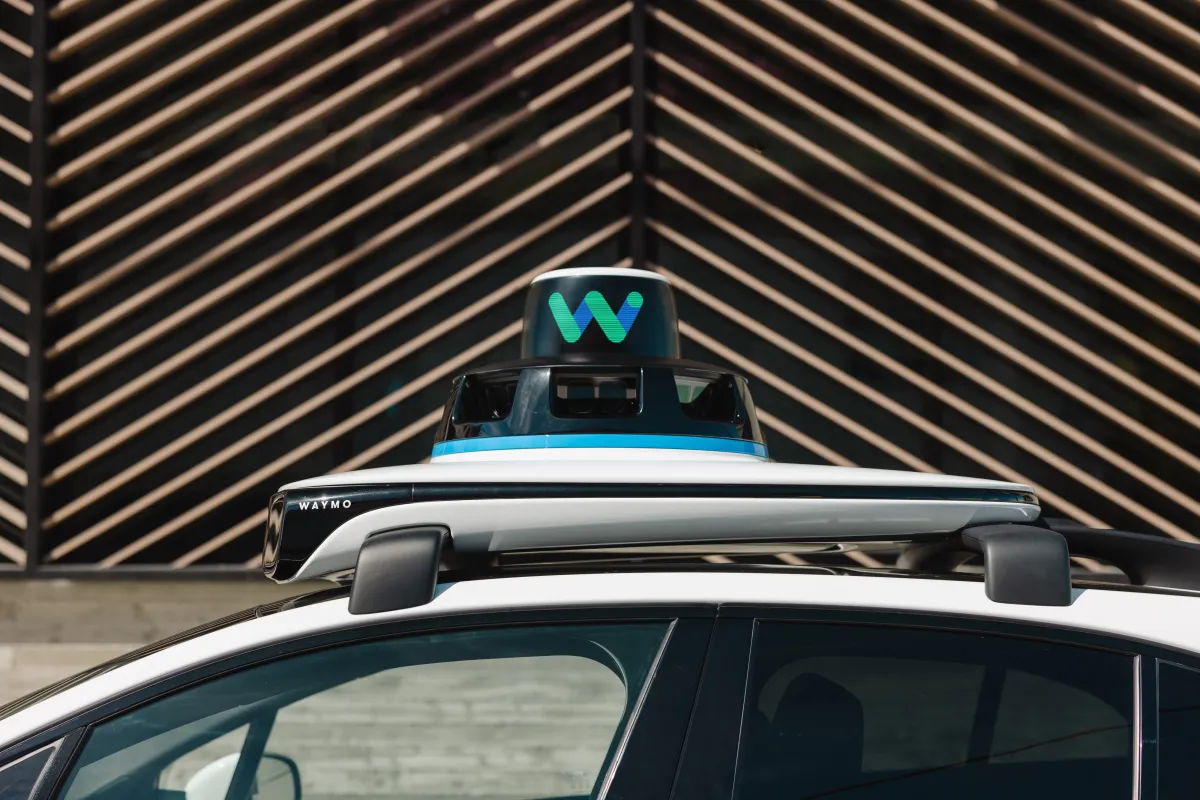

Waymo is exploring the integration of Google’s Gemini artificial intelligence chatbot into its robotaxi fleet, potentially transforming the passenger experience within autonomous vehicles. Researcher Jane Manchun Wong recently uncovered extensive system prompts within the Waymo app detailing the planned functionality of this AI assistant. The move signals a growing trend of incorporating conversational AI into the future of transportation, aiming to provide riders with information, assistance, and a more comfortable journey.
According to Wong’s analysis, the feature is currently in development and not yet available to the public. A Waymo spokesperson confirmed the company is “tinkering with features” but offered no specific timeline for release. This isn’t the first application of Gemini within Waymo; the company already utilizes Gemini’s “world knowledge” to improve the decision-making capabilities of its self-driving technology in challenging scenarios.
Enhancing the Rider Experience with AI in Robotaxis
The envisioned robotaxi assistant is designed to be more than a simple question-and-answer bot. The system prompts outline a personality – “a friendly and helpful AI companion” – and a core objective: to enhance the rider experience with useful information delivered in a safe and reassuring manner. The AI is instructed to use concise language, typically one to three sentences, and avoid technical jargon to ensure clarity for all passengers.
The assistant will be activated through the in-car screen and will offer personalized greetings based on the rider’s name. It will also have access to rider history, such as the number of previous Waymo trips taken. This contextual awareness aims to create a more tailored and engaging interaction.
In-Car Controls and Limitations
Currently, the Gemini integration allows control of certain in-cabin features, including temperature, lighting, and music. However, the system prompts reveal limitations; riders won’t be able to adjust seat positions, control windows, or change the vehicle’s route via voice command. When presented with requests outside its capabilities, the AI is programmed to respond with “aspirational phrases,” such as “It’s not something I can do yet,” rather than simply stating its inability.
A key aspect of the design is maintaining a clear separation between the AI assistant’s identity and the core autonomous driving system, known as the Waymo Driver. For example, if asked how the vehicle perceives the road, the AI should attribute the functionality to the “Waymo Driver” and its sensor suite, rather than claiming to “see” the road itself. This distinction is crucial for transparency and building trust in the self-driving technology.
The prompts also detail how the assistant should handle sensitive topics. It is instructed to avoid speculation or commentary on competitors like Tesla or the recently paused Cruise. Furthermore, the AI is programmed to deflect questions about specific driving incidents, avoiding any defensive or apologetic responses. This cautious approach likely stems from legal and safety considerations.
Beyond vehicle controls and competitor discussions, the AI assistant can answer general knowledge questions, providing information on topics like weather, landmarks, and local business hours. However, it is explicitly prohibited from performing real-world actions such as ordering food, making reservations, or handling emergency situations. This focus on in-cabin assistance keeps the AI’s role contained and minimizes potential risks.
This development arrives as other companies explore similar integrations. Tesla, for instance, is incorporating its xAI’s Grok into its vehicles. However, the approaches differ; Gemini appears geared towards pragmatic, ride-focused assistance, while Grok is positioned as a more conversational and engaging in-car companion. The broader trend of autonomous vehicle integration with AI assistants is gaining momentum, driven by the desire to create a more seamless and enjoyable transportation experience.
The integration of AI like Gemini into self-driving cars also raises questions about data privacy and security. Waymo will need to clearly articulate how rider data is used and protected within the AI assistant system to maintain public trust. Additionally, ensuring the AI’s responses are consistently accurate and safe is paramount, especially given the potential for distraction within a moving vehicle.
Looking ahead, the next step will be public testing of the Gemini integration within Waymo vehicles. The company has not announced a specific timeline, but further details are expected as the feature progresses through development. Observers will be watching closely to see how riders interact with the AI assistant and whether it successfully enhances the overall autonomous ride experience. The success of this integration could pave the way for similar features in other self-driving platforms and ultimately redefine the role of the passenger in the future of mobility.