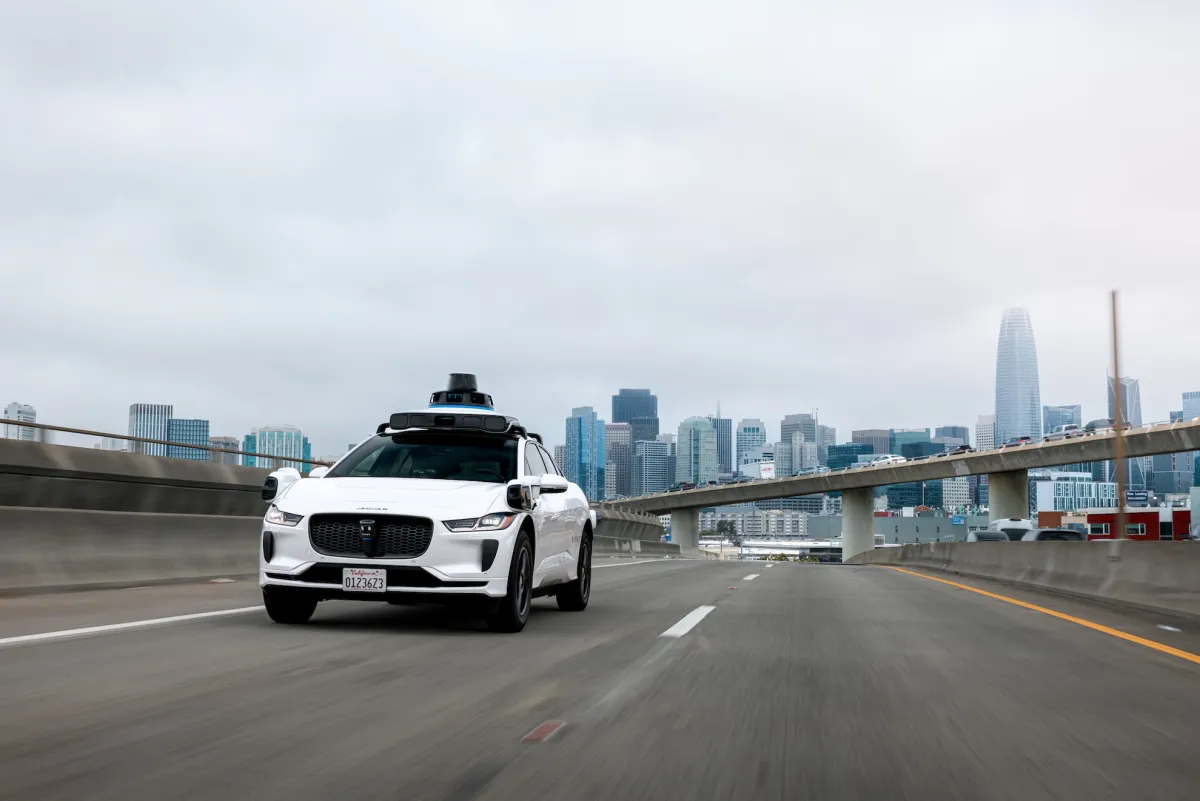

Waymo, the autonomous driving technology company, has significantly expanded its operational area in California, receiving authorization to test and deploy its robotaxi services across a much wider range of cities. This move, announced Friday, allows Waymo to continue scaling its technology and preparing for broader commercial availability of its driverless ride-hailing service. The expansion encompasses major metropolitan areas and extends into previously unserved regions within the state, marking a key step in the company’s progress toward large-scale autonomous vehicle deployment.
Currently operating in San Francisco, Silicon Valley, Los Angeles, Atlanta, Austin, and Phoenix, Waymo’s newly approved testing and deployment zones in California now include most of the East Bay and North Bay, extending to Napa and Wine Country, as well as Sacramento. In Southern California, the approved territory stretches from Santa Clarita south of Los Angeles down to San Diego, dramatically increasing the potential reach of its services. These maps were recently published by the California Department of Motor Vehicles and signify a progressive regulatory environment for autonomous vehicle testing.
Waymo Expansion Fuels Robotaxi Development
This expansion isn’t simply about geographic reach; it’s about data collection and refining the robotaxi experience. Company officials suggest wider operational areas provide more diverse and complex driving scenarios for the vehicle’s AI to learn from. The more miles logged in varied conditions, the better Waymo’s vehicles become at handling unpredictable real-world events.
However, full commercial operation with paying passengers isn’t immediate across all newly approved areas. According to the San Francisco Chronicle, additional regulatory approvals are still required in certain regions before Waymo can begin offering paid rides. This phased approach allows the company to work closely with local authorities and address any concerns before full deployment.
Next Steps for Commercial Rollout
Waymo has publicly stated its intention to launch services in San Diego by mid-2026. This timeline aligns with previous announcements outlining plans for expansion into several other cities including Dallas, Denver, Detroit, Houston, Las Vegas, Miami, Nashville, Orlando, San Antonio, Seattle, and Washington, D.C. The company is carefully selecting launch cities based on factors like population density, traffic patterns, and regulatory frameworks.
The company recently announced several other key developments. These include the removal of safety drivers for its commercial launch in Miami, a significant milestone toward true autonomy. Additionally, Waymo will soon incorporate freeway driving into its services in Los Angeles, San Francisco, and Phoenix, further expanding its capabilities and potential service areas. These decisions reflect growing confidence in the technology’s performance under more challenging conditions.
Industry Implications and Growing Competition
Waymo’s ongoing expansion highlights the increasing momentum within the autonomous vehicle industry. Companies like Cruise, though currently facing setbacks, have also demonstrated the potential of driverless ride-hailing. The advances in autonomous technology are attracting significant investment and fostering a competitive landscape.
The growing accessibility of robotaxis raises important questions about the future of transportation. Experts predict these services could reshape urban landscapes, reduce traffic congestion, and improve accessibility for individuals with mobility challenges. However, concerns remain regarding safety, job displacement, and the potential for new forms of traffic disruption.
Recent discussions on the Equity podcast, a technology-focused show, indicated that expanded access to robotaxis might lead to unexpected use cases and potential misuse by passengers. As the technology becomes more prevalent, understanding and addressing these unforeseen consequences will be crucial. The podcast exploration considered how novel patterns of behavior in the vehicles might emerge as more people rely on the services.
The broader impact on the transportation industry remains to be seen, but Waymo’s progress is undeniable. The company is not only pushing the boundaries of autonomous driving technology but also actively navigating the regulatory and logistical challenges required for its successful implementation.
Looking ahead, the key will be Waymo’s ability to secure the necessary regulatory approvals for commercial operation in these new areas, track the performance data from the expanded testing zones, and continue refining its technology. The mid-2026 target for San Diego remains a significant date to watch, and the success of that launch will likely dictate the pace of expansion in other cities. Public perception and acceptance of robotaxis will also be important factors as Waymo moves towards broader deployment and the potential reshaping of urban transport.
Techcrunch event
San Francisco
|
October 13-15, 2026