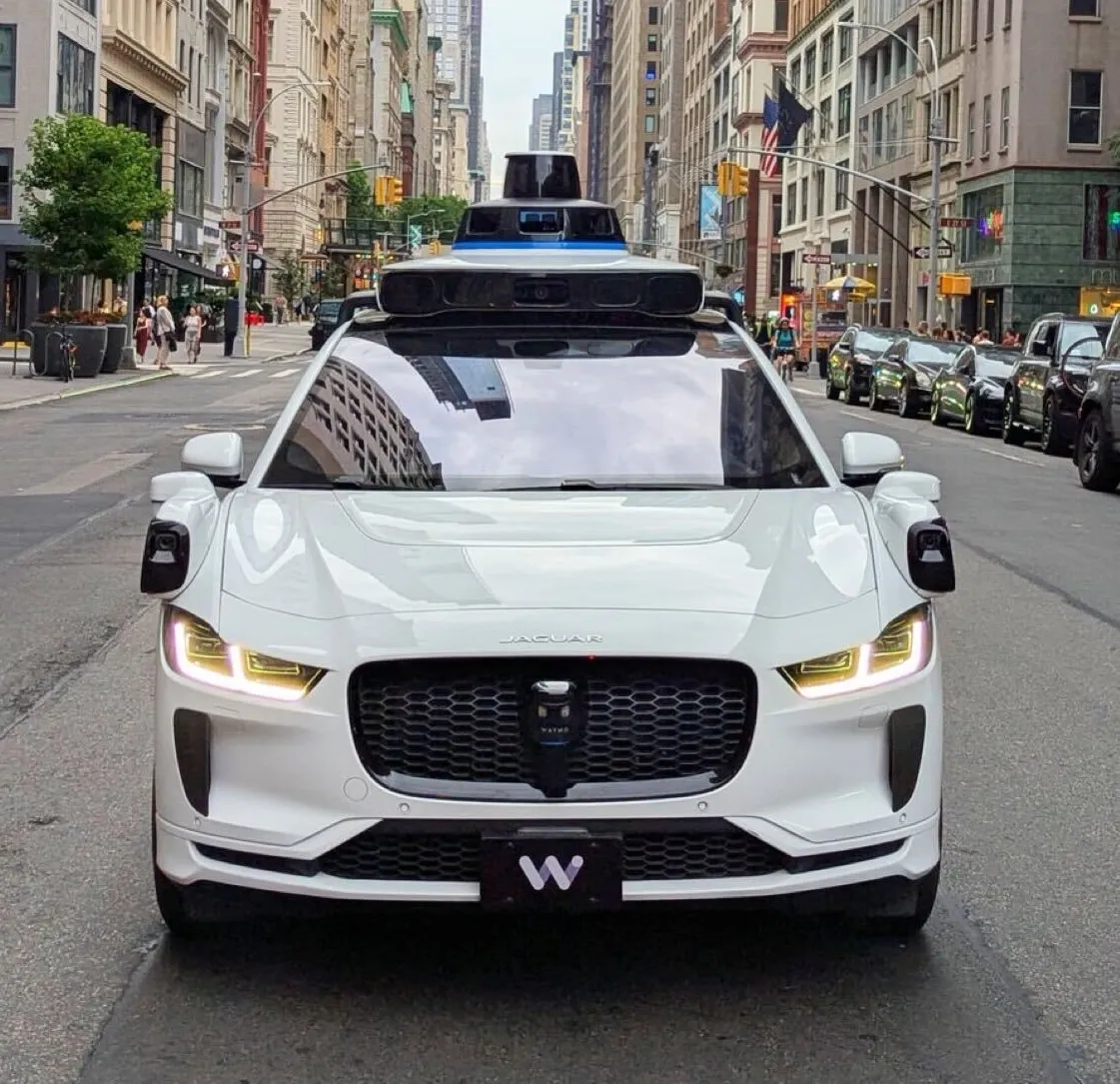

Waymo is deploying a software update to improve how its robotaxis handle disabled traffic signals, following an incident where vehicles became stalled during a recent power outage in San Francisco. The update aims to enable the autonomous vehicles to navigate intersections with non-functioning lights “more decisively,” according to a company blog post released Tuesday. The incident highlighted ongoing challenges in ensuring the reliability of self-driving systems in unexpected real-world scenarios.
The disruption occurred Saturday when a widespread power outage impacted parts of San Francisco, causing numerous traffic lights to fail. While Waymo’s vehicles are programmed to treat unlit intersections as four-way stops, a surge in “confirmation check” requests to the company’s fleet response team created significant congestion, as documented in viral videos.
Addressing Robotaxi Performance During Outages
Waymo explained that its robotaxis are designed to operate as a human driver would when encountering a dark traffic signal. However, the system is equipped with a safety feature allowing vehicles to request remote assistance to verify their planned actions. During the outage, the sheer volume of vehicles encountering the same issue overwhelmed the fleet response team, leading to delays.
The company implemented this confirmation request system as a precautionary measure during initial deployments. Now, as the fleet expands, Waymo is refining the process to reduce reliance on remote intervention. Additionally, the update will provide the self-driving software with more detailed information about regional power outages.
The Role of Remote Assistance
The concentrated spike in confirmation requests proved to be a bottleneck. Waymo stated that the system was effective during smaller outages, but the scale of Saturday’s event exposed its limitations. The update seeks to give the software the context needed to make independent decisions in similar situations.
Despite the widely circulated images of stalled vehicles, Waymo emphasized that its fleet “successfully traversed more than 7,000 dark signals” on Saturday. This suggests the system functioned correctly in many instances, but the issues with remote assistance drew significant attention.
Broader Implications for Autonomous Vehicle Development
This incident underscores the complexities of deploying fully autonomous vehicles in dynamic urban environments. While the technology has advanced rapidly, unexpected events continue to reveal areas for improvement. The need for robust systems capable of handling edge cases is paramount for public trust and widespread adoption.
The situation also highlights the importance of emergency response protocols for self-driving cars. Waymo stated it will incorporate lessons learned from the outage to enhance these procedures. This includes refining how the vehicles communicate with remote operators and manage unexpected disruptions.
This isn’t the first time Waymo has had to address software issues impacting its fleet. Earlier this year, the company issued a recall and deployed updates to address how its robotaxis responded to stopped school buses, following an investigation by the National Highway Traffic Safety Administration (NHTSA). These instances demonstrate the iterative nature of developing and refining autonomous driving technology.
Meanwhile, other companies developing autonomous driving systems are likely reviewing their own protocols in light of the San Francisco outage. The incident serves as a valuable case study for the entire industry, emphasizing the need for redundancy and robust fallback mechanisms.
The updated software is being rolled out fleet-wide, with Waymo anticipating improvements in performance in the coming weeks. The company will continue to monitor the system’s performance and gather data to further refine its response to power outages and other unforeseen events. Future developments will likely focus on increasing the autonomy of the system, reducing its reliance on remote assistance, and improving its ability to predict and react to potential disruptions. The long-term success of robotaxis hinges on addressing these challenges and building public confidence in their safety and reliability.