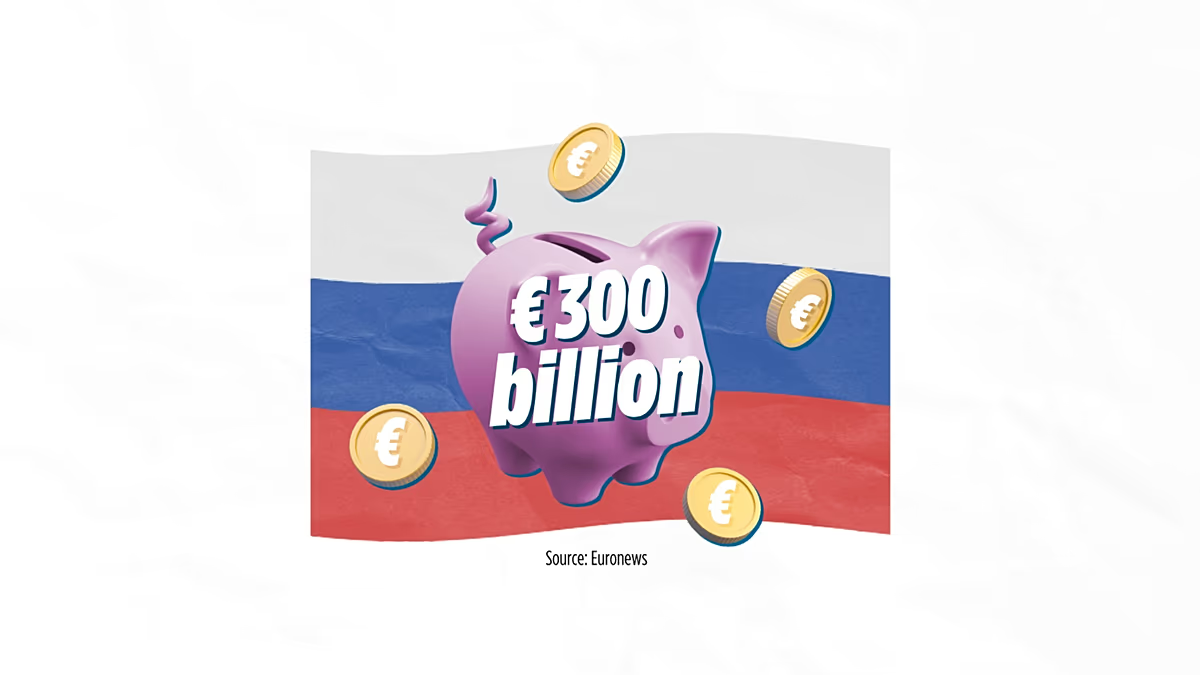

A controversial proposal from the United States regarding approximately €300 billion in frozen Russian assets is sparking debate among G7 nations, particularly in Europe. The plan, revealed this week, suggests utilizing the funds – largely held in Belgium by Euroclear – not solely for Ukrainian reconstruction as initially intended, but also for potential investment opportunities benefiting Russia. This development significantly alters the landscape of financial support for Ukraine and raises questions about the future of international sanctions.
The majority of the frozen funds, estimated at €185 billion, are currently held in Belgium. Brussels had been preparing to leverage these assets to issue loans for Ukraine’s recovery. However, the US proposal introduces a two-pronged approach that has drawn criticism from European officials who fear a weakening of leverage against Moscow and a substantial financial burden.
The US Proposal and the Future of Frozen Russian Assets
According to reports, the US plan divides the frozen Russian assets into two distinct investment vehicles. The first would allocate $100 billion towards reconstruction efforts in Ukraine. However, this would require European nations to contribute an additional $100 billion of their own funds. A key component of this arrangement is that the US would receive 50% of any profits generated from this investment.
The second, and more contentious, element involves utilizing the remaining funds for a US-Russian joint venture. This would effectively allow Moscow to benefit commercially from assets seized as a consequence of its invasion of Ukraine. This aspect of the proposal has been met with strong resistance from European leaders who view it as rewarding aggression.
European Concerns and Potential Consequences
European officials express concern that the US plan undermines the principle of holding Russia accountable for its actions. They argue that diverting funds to benefit Moscow diminishes the effectiveness of sanctions and weakens the international coalition against Russian aggression. Additionally, the requirement for Europe to contribute a significant amount of additional funding is seen as unfair, particularly given the existing financial strain of supporting Ukraine.
Meanwhile, the US maintains that this approach offers a pragmatic solution to provide substantial aid to Ukraine while also potentially mitigating long-term financial risks. The US Treasury argues that maximizing the use of frozen assets is crucial, and a joint venture could offer a more sustainable financial model. However, critics point out that the potential for Russia to exploit such a venture for political gain is substantial.
Impact on International Sanctions and Ukraine Aid
The proposed plan has broader implications for the future of international sanctions. If implemented, it could set a precedent for utilizing seized assets in ways that do not align with the original intent of punitive measures. This could potentially weaken the deterrent effect of sanctions in future conflicts. The Council on Foreign Relations provides ongoing analysis of global conflicts and sanctions regimes.
Furthermore, the debate surrounding the frozen Russian assets highlights the differing priorities and approaches among G7 nations regarding support for Ukraine. While there is broad consensus on the need to assist Ukraine, disagreements over the mechanisms and financial burden are creating tensions within the alliance. The situation also raises questions about the role of Euroclear, the Belgian securities depository holding the bulk of the funds, and its future involvement in managing these assets.
The debate also touches upon the broader topic of asset recovery and the legal complexities surrounding the seizure and utilization of sovereign assets. Legal challenges from Russia are anticipated should the US plan move forward, potentially delaying or halting its implementation.
As negotiations continue, the future of these frozen assets remains uncertain. European leaders are expected to push for a solution that prioritizes reparations for Ukraine and maintains strong pressure on Russia. The coming weeks will be critical in determining whether a compromise can be reached or if the US plan will proceed despite European opposition. Stakeholders should monitor developments closely as this situation could significantly reshape the financial landscape of the conflict and the future of international sanctions.