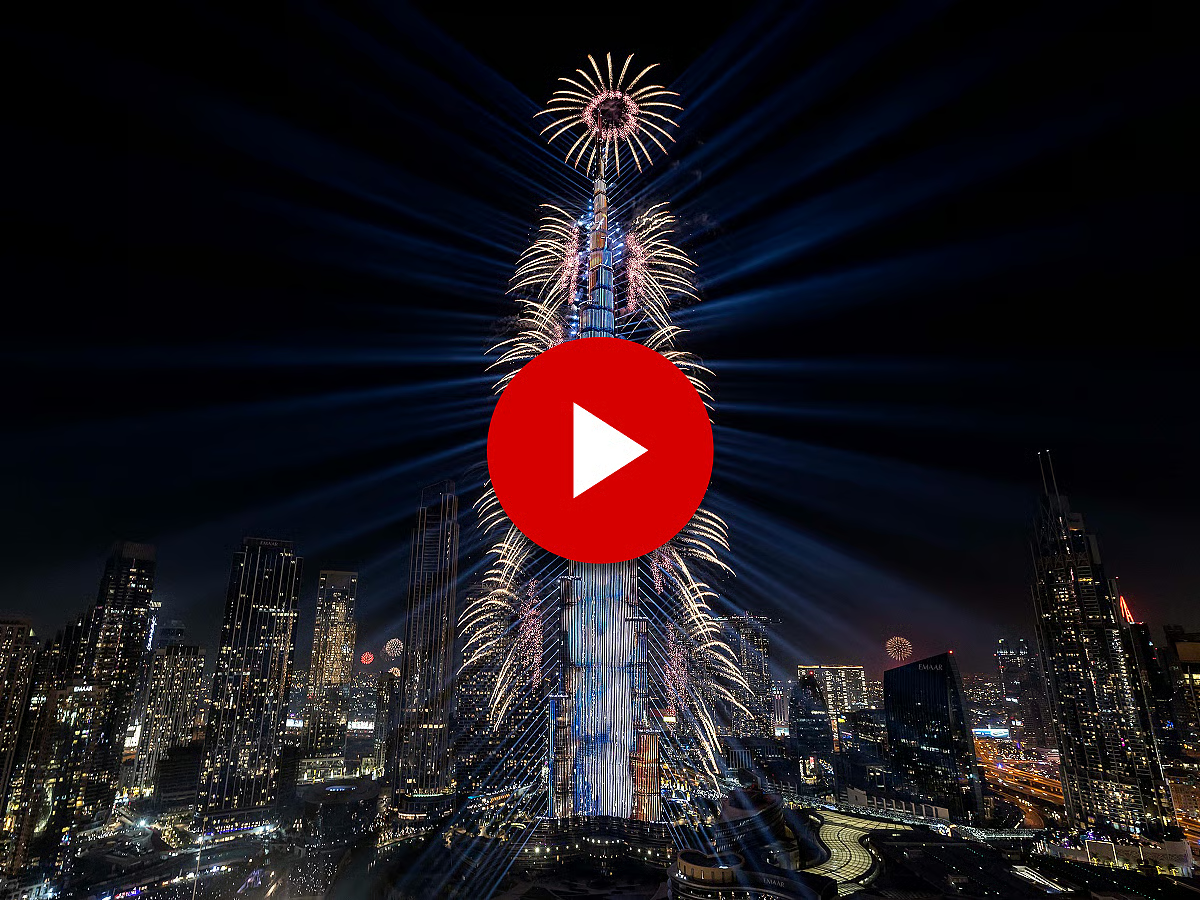

Dubai’s Burj Khalifa captivated audiences worldwide on New Year’s Eve with a dazzling display of fireworks, attracting an estimated one million viewers both in person and online. The spectacular show coordinated with a light and laser performance, lasted over 10 minutes and was watched by people globally via live streams and social media. The event marked the beginning of 2024 and reinforced Dubai’s position as a global hub for celebrations and tourism.
The fireworks display began at midnight Gulf Standard Time (GST) on December 31st, 2023, and unfolded against the backdrop of the iconic Burj Khalifa, currently the world’s tallest building at over 828 meters. Organizers reported peak viewership of the livestream surpassed expectations, with social media engagement driving significant global interest in the event. This year’s show drew larger crowds than many pre-pandemic celebrations.
A Breathtaking Burj Khalifa Fireworks Spectacle
The design of this year’s fireworks show was particularly ambitious. It incorporated a newly designed system for launching pyrotechnics, allowing for greater precision and a wider range of effects. This resulted in a more immersive experience for spectators, blending the visual impact of the fireworks with accompanying laser projections and music.
Innovation in Pyrotechnics and Light
Several new technologies were utilized to create the show. According to event officials, a network of thousands of LED lights was integrated into the Burj Khalifa’s facade, harmonizing with the firework patterns. This coordinated illumination significantly enhanced visual storytelling and created a more dynamic spectacle, differing from purely pyrotechnic displays of years past.
The choreography of the fireworks and light show was a complex undertaking. It involved months of planning and collaboration between multiple specialist teams, including pyrotechnicians, lighting designers, and audio engineers. The intention was to create a narrative through visual elements, representing themes of hope, progress, and unity.
Dubai’s commitment to these large-scale events isn’t simply about entertainment. The Emirate actively leverages these spectacles to boost its tourism sector, which is a vital component of its economy. The increased international visibility from events like this contributes significantly to attracting visitors and investment.
Meanwhile, security measures were substantially increased around the Downtown Dubai area in anticipation of the large crowds. Dubai Police deployed additional personnel and implemented traffic management plans to ensure the safety of attendees, and facilitate movement before and after the show. Crowd control proved effective, with minimal reported incidents.
In contrast to some other global celebrations, Dubai’s New Year’s Eve event continued largely uninterrupted despite ongoing geopolitical tensions. The United Arab Emirates has maintained a relatively stable environment, making it an attractive destination for those seeking celebrations without concerns over widespread disruption. This stability contributed to the event’s success.
The success of the display wasn’t limited to immediate viewing figures. Record amounts of social media content were generated with hashtags related to the Burj Khalifa and New Year’s Eve in Dubai trending worldwide. This user-generated content acts as further promotion for the city and cements its image as a destination of choice for holidaymakers. Reports from social media analytics firms indicate a 30% increase in relevant hashtag usage compared to the previous year.
Additionally, the event provided a platform for showcasing Dubai’s infrastructure capabilities. The logistical coordination required to manage such a large gathering, synchronize the complex display, and ensure seamless operations highlights the Emirate’s well-developed urban planning and event management expertise. This is especially important as Dubai prepares to host further major international events.
The wider impact of New Year’s Eve celebrations extends to the hospitality sector. Hotels and restaurants in Downtown Dubai and surrounding areas reported near-full occupancy rates, with significant increases in revenue compared to typical December periods. This economic boost is welcomed as further evidence of the city’s recovering economic landscape following the pandemic years, showcasing growth in Dubai tourism.
However, the environmental impact of large-scale firework displays remains a concern globally. While Dubai authorities have not released specific data on the environmental footprint of this event, there’s growing pressure on cities to consider more sustainable alternatives. This might encompass exploring eco-friendly pyrotechnics or diversifying event attractions.
The show itself incorporated several patriotic elements, including displays referencing the UAE’s national flag and its founding leaders. This reinforced a sense of national pride and unity amongst the attendees, aligning with the country’s broader branding initiatives. The presentation of cultural heritage alongside modern technological advancements was a key differentiator.
Looking ahead, organizers are already considering plans for the 2024-2025 New Year’s Eve celebrations. A post-event review is currently underway to assess the effectiveness of this year’s innovations and identify areas for improvement. Any further expansion of the show, or adoption of new technologies, will likely depend on budget allocations and ongoing assessments of safety and environmental concerns. Future plans are expected to be announced by the Dubai Events and Promotion Authority in the spring of 2024, and details on potential themes or exclusive attractions remain uncertain.
The use of drones in conjunction with the fireworks is another area the authorities are investigating, in line with global trends in event technology. These would likely be incorporated into the light show, offering another dimension of visual complexity. Considerations regarding airspace regulations and drone safety will be paramount in future development.
Furthermore, the Department of Economy and Tourism will be analyzing visitor data from the event to refine marketing strategies targeting key international markets. Understanding the demographic profiles and travel patterns of attendees from different countries will provide valuable insights for future tourism promotion efforts.