





By using this site, you agree to the Privacy Policy and Terms of Use.
Accept
Gulf PressGulf Press
  • Home
  • Gulf News
  • World
  • Business
  • Technology
  • Sports
  • Lifestyle
Search
Countries
More Topics
  • Health
  • Entertainment
Site Links
  • Customize Interests
  • Bookmarks
  • Newsletter
  • Terms
  • Press Release
  • Advertise
  • Contact
© 2023 Gulf Press. All Rights Reserved.
Reading: WATCH: Birds of prey defending Pompeii from pigeons
Share
Notification Show More
Latest News
Former hostage urges EU to cut ties with Iran as death toll rises
World
India a key growth engine for global economy: IMF Spokesperson
Business
Zain selects 6 Kuwaiti graduates to join 11th Gen Z program cohort
Gulf
India builds rockets and warplanes — so why not passenger jets?
Business
Spotify raises its subscription prices in the US again
Technology
Aa
Gulf PressGulf Press
Aa
  • Gulf News
  • World
  • Business
  • Entertainment
  • Lifestyle
  • Sports
Search
  • Home
  • Gulf
  • Business
  • More News
    • World
    • Technology
    • Lifestyle
    • Entertainment
    • Sports
Have an existing account? Sign In
Follow US
  • Terms
  • Press Release
  • Advertise
  • Contact
© 2023 Gulf Press. All Rights Reserved.
Gulf Press > World > WATCH: Birds of prey defending Pompeii from pigeons
World

WATCH: Birds of prey defending Pompeii from pigeons

News Room
Last updated: 2024/09/05 at 12:05 AM
News Room
Share
5 Min Read
SHARE

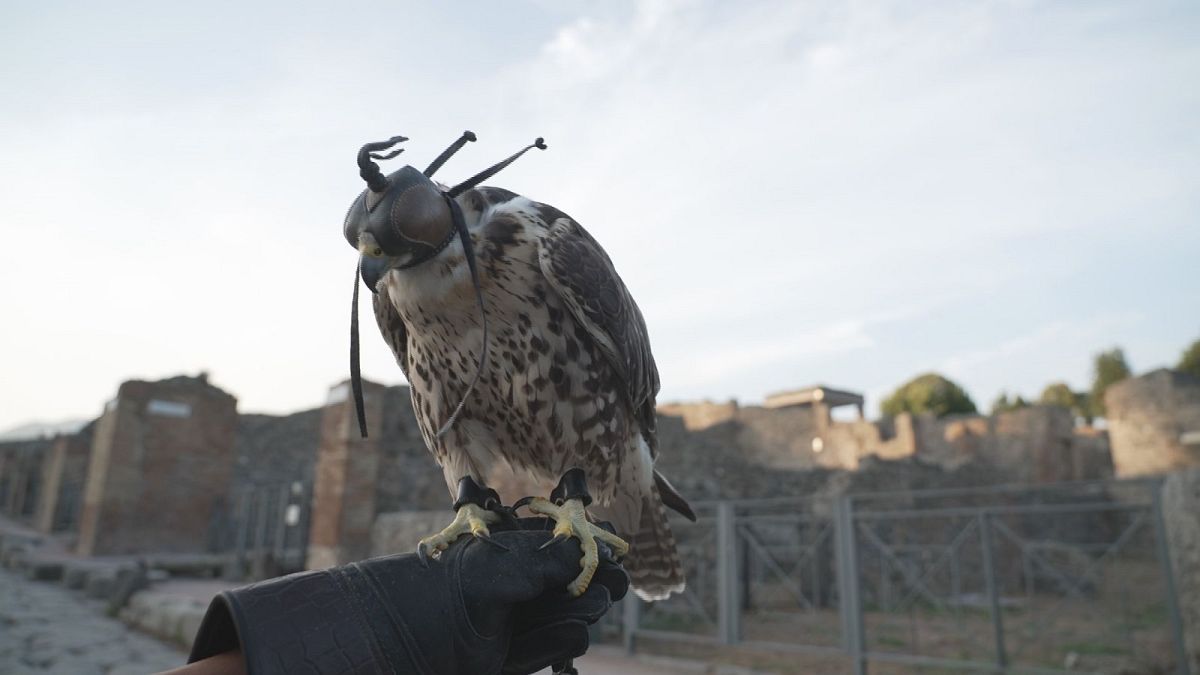
Pompeii, the ancient Roman city buried under volcanic ash and pumice following the eruption of Mount Vesuvius in AD 79, is one of the most important archaeological sites in the world. However, in recent years, the site has faced a new threat – pesky pigeons. These birds have been causing damage to the fragile ruins with their corrosive guano, threatening the preservation of the historic site. In order to address this issue, the Archaeological Park of Pompeii has enlisted the help of ten birds of prey to protect the site from these feathered intruders.

Gianna and Arya are two of the ten birds of prey that have been patrolling the archaeological park of Pompeii at least three times a week for the past two years. These majestic birds, including falcons and hawks, have proven to be highly effective in driving away pigeons and other birds that pose a risk to the ancient ruins. The closure of the park during the COVID lockdown in 2020 led to an increase in the number of pigeons nesting on the site, further highlighting the need for a solution to protect the archaeological excavations.

The Archaeological Park of Pompeii’s decision to use birds of prey as a sustainable and eco-friendly method of pest control is part of a larger effort to implement an ecological approach to protecting the fragile heritage site. By harnessing the natural instincts and hunting abilities of these birds, the park has been able to effectively deter pigeons and other birds from causing damage to the historic ruins. This innovative solution not only helps to preserve the integrity of the site, but also minimizes the need for harmful chemicals or other methods of pest control that could potentially harm the environment.

The use of birds of prey to protect Pompeii is a prime example of how ancient methods can be successfully adapted to address modern challenges. Falcons and hawks have been used for centuries as effective hunters, and their presence in the archaeological park serves as a natural deterrent to unwanted pests. By working in harmony with nature and leveraging the instincts of these birds, the park has found a sustainable and humane solution to protect the ancient ruins. This eco-friendly approach also aligns with the growing trend towards conservation and sustainability in the preservation of cultural heritage sites.

In addition to their role in protecting Pompeii from pigeons, the birds of prey also serve as ambassadors for conservation efforts at the archaeological park. Visitors to the site have the opportunity to witness these majestic creatures in action, further raising awareness about the importance of preserving ancient heritage sites. Through educational programs and public demonstrations, the park is able to engage with the community and promote environmental stewardship. By highlighting the symbiotic relationship between humans and nature, the park is able to inspire a new generation of conservationists and ensure the long-term preservation of Pompeii for future generations to enjoy.

In conclusion, the use of birds of prey to protect the Roman ruins of Pompeii from pesky pigeons is a creative and effective solution that highlights the importance of ecological conservation in safeguarding our cultural heritage. Gianna, Arya, and their fellow birds of prey have proven to be invaluable allies in the ongoing battle to preserve this iconic archaeological site. By adopting a sustainable and eco-friendly approach to pest control, the Archaeological Park of Pompeii is setting a positive example for how ancient methods can be adapted to address modern challenges. Through their efforts, these majestic birds not only help to protect the historic ruins, but also inspire a deeper appreciation for the natural world and the importance of conservation.


Sign Up For Daily Newsletter

Be keep up! Get the latest breaking news delivered straight to your inbox.
I have read and agree to the terms & conditions
By signing up, you agree to our Terms of Use and acknowledge the data practices in our Privacy Policy. You may unsubscribe at any time.
News Room September 5, 2024
Share this Article
Facebook Twitter Copy Link Print
Previous Article The Road to the Mubadala Abu Dhabi Open is back to motivate young athletes in the UAE – News
Next Article Messi absent from Ballon d’Or nominations
Leave a comment Leave a comment

Leave a Reply Cancel reply

Your email address will not be published. Required fields are marked *

Stay Connected

235.3k Followers Like
69.1k Followers Follow
56.4k Followers Follow
136k Subscribers Subscribe
- Advertisement -
Ad imageAd image

Latest News

Former hostage urges EU to cut ties with Iran as death toll rises
World January 18, 2026
India a key growth engine for global economy: IMF Spokesperson
Business January 18, 2026
Zain selects 6 Kuwaiti graduates to join 11th Gen Z program cohort
Gulf January 18, 2026
India builds rockets and warplanes — so why not passenger jets?
Business January 18, 2026

You Might also Like

World

Former hostage urges EU to cut ties with Iran as death toll rises

January 18, 2026
World

How the European Parliament can still block the Mercosur deal

January 18, 2026
World

EU vows coordinated response to Trump’s Greenland tariff threat

January 17, 2026
World

Thousands take part in ‘Hands off Greenland’ protests in Denmark

January 17, 2026
World

Europe Today: EU Parliament Foreign Affairs Committee chair joins us

January 17, 2026
World

‘EU-US trade deal separate from Greenland dispute,’ top MEP says

January 17, 2026
World

US-Denmark tensions over Greenland ‘not the end’ of NATO, Sprūds says

January 17, 2026
World

Migrant returns: Which EU countries are increasing repatriations?

January 17, 2026
//

Gulf Press is your one-stop website for the latest news and updates about Arabian Gulf and the world, follow us now to get the news that matters to you.

Quick Link

  • Privacy Policy
  • Terms of ue
  • Advertise
  • Contact

How Topics

  • Gulf News
  • International
  • Business
  • Lifestyle

Sign Up for Our Newsletter

Subscribe to our newsletter to get our latest news instantly!

I have read and agree to the terms & conditions
Gulf PressGulf Press
Follow US

© 2023 Gulf Press. All Rights Reserved.

Join Us!

Subscribe to our newsletter and never miss our latest news, podcasts etc..

I have read and agree to the terms & conditions
Zero spam, Unsubscribe at any time.

Removed from reading list

Undo
Welcome Back!

Sign in to your account

Lost your password?