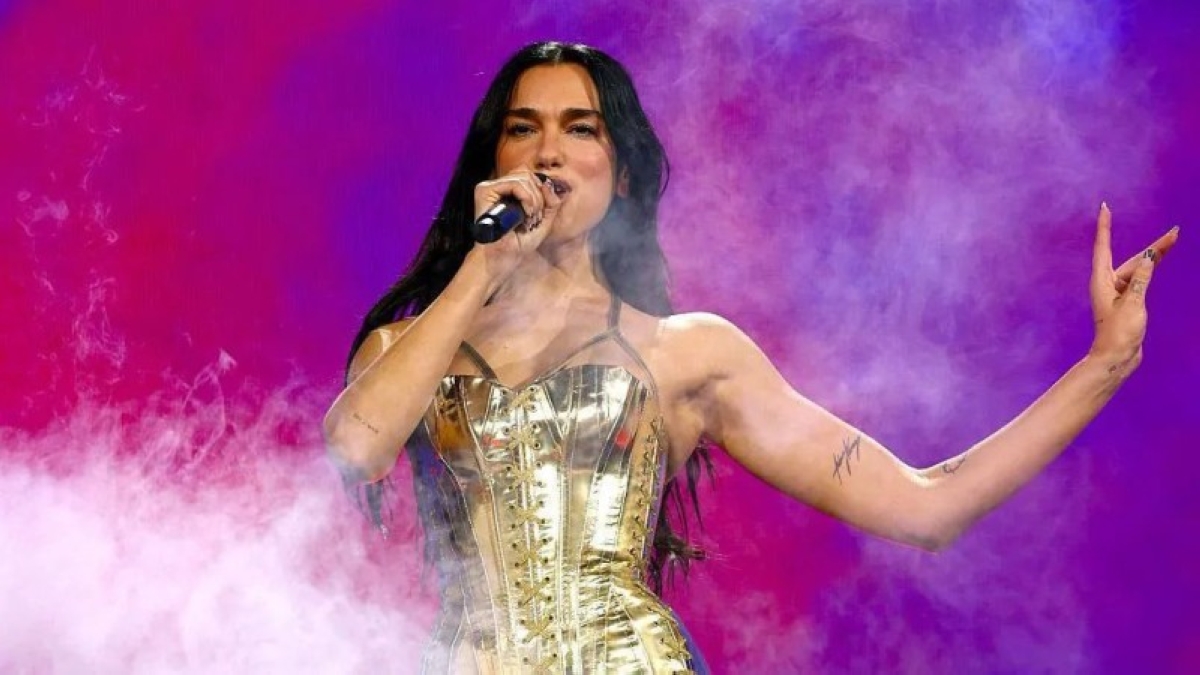

Warner Music Group (WMG) and technology startup Suno have reached a settlement agreement, initiating a collaborative artificial intelligence (AI) music venture just a year after WMG filed a lawsuit against the company. The partnership, announced this week, will allow users to create music on the Suno platform utilizing the voices, names, and likenesses of artists who explicitly consent to their inclusion. This development signals a potential shift in the music industry’s approach to generative AI.
The agreement stems from a legal challenge brought by WMG, alongside Sony Music Entertainment and Universal Music Group, alleging copyright infringement. The lawsuit claimed Suno and a similar platform, Udio, were benefiting from the unauthorized replication of existing songs. The legal battle reflects growing tensions surrounding AI-generated content and its impact on artists’ rights.
The Future of Music Creation with Artificial Intelligence
Under the terms of the deal, Suno will implement new, licensed AI models starting in 2025. These models will power its generative AI music platform, which enables users to compose music from text prompts. A key component of the settlement is establishing a framework for artist opt-in, giving creators control over how their work is utilized in AI-generated outputs.
Currently, Suno boasts approximately 100 million users and has quickly become a prominent player in the emerging AI music space. The platform allows for the generation of songs in various styles and genres. However, the 2026 release of its updated model will introduce a paywall for audio downloads, while continued free streaming and sharing will remain accessible, according to Warner Music Group.
Addressing Artist Concerns
The initial lawsuit, and the broader concerns voiced by the music community, centered on the potential for AI to devalue the work of human artists and songwriters. Over 200 artists, including Billie Eilish and Nicki Minaj, signed an open letter last year calling for greater regulation and safeguards against the “predatory” use of AI in music.
Warner Music Group stated the partnership is designed to mitigate these concerns. The company emphasized that artists will have autonomy over the use of their “names, images, likenesses, voices and compositions” in AI creations. This represents a significant step toward striking a balance between technological innovation and artist compensation.
The core of the labels’ argument rested on the premise that platforms like Suno were essentially facilitating “wholesale theft” by generating tracks virtually indistinguishable from copyrighted material. While the details of the legal settlement remain confidential, it’s clear that WMG views collaboration as a more constructive path forward than continued litigation. This view is bolstered by the rapid advancement of generative music technology.
Implications for the Industry
This agreement between WMG and Suno could set a precedent for similar partnerships between record labels and AI developers. It suggests a possible model for navigating the complex legal and ethical challenges posed by AI-generated music. Additionally, the creation of licensed models may encourage broader acceptance of AI tools within the industry.
Despite the settlement, questions remain regarding the long-term impact of AI on the musical landscape. The ongoing development of increasingly sophisticated AI music generation tools raises concerns about the potential for job displacement among composers and performers. Furthermore, determining fair compensation for artists whose work is used to train these AI models continues to be a contentious issue.
The legal challenge brought by major labels against Suno and Udio highlights the broader debate about copyright in the age of AI. The music industry, like other creative sectors, is grappling with how to protect intellectual property while simultaneously embracing potentially transformative technologies. The resolution of these issues will be crucial for fostering a sustainable and equitable future for music creation.
Looking ahead, the success of this partnership will depend on the extent to which artists embrace the opt-in program and the effectiveness of the new licensing models. Suno’s release of its updated platform in 2026 will be a key moment to observe, as it will demonstrate how the company intends to balance accessibility with artist royalties and control. The industry will be watching to see if other major labels follow suit with similar collaborations.