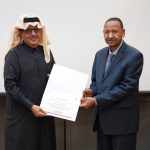

Doha, Qatar – A new study examining the realm of waqf investment and its modern challenges has been released by the Waqf Studies Centre, affiliated with the General Directorate of Endowments at the Ministry of Awqaf and Islamic Affairs. The research, focusing specifically on the Moroccan case, was the subject of a recent scientific seminar broadcast online. This publication aims to strengthen academic collaboration and raise awareness of the critical role of endowments in contemporary Islamic finance.
The book, titled “Waqf Investment and Its Contemporary Issues: The Moroccan Case,” is authored by Dr. Saleh Al-Nashat, a lecturer at Hassan II University in Morocco. The seminar, presented by Dr. Al-Mukhtar Al-Ahmar, analyzed current practices and opportunities for optimizing waqf returns while upholding Sharia principles. It is part of a broader initiative by the Waqf Studies Centre to foster discourse on economic and investment issues related to charitable endowments.
Understanding Waqf Investment in a Modern Context
Traditionally, waqf – or charitable endowment – has been a cornerstone of social welfare in the Islamic world, funding institutions like mosques, schools, and hospitals. However, the potential of waqf as a dynamic economic force isn’t always fully realized. The study delves into the complexities of modernizing waqf investment strategies to enhance their sustainability and impact.
Modernization involves exploring new financing instruments and investment models that align with Islamic law. This includes examining the feasibility of socially responsible investments and diversifying waqf portfolios beyond traditional real estate holdings. The aim is to increase revenue generation for waqf beneficiaries.
The Moroccan Experience as a Case Study
The research highlights Morocco’s approach to waqf management and investment, providing a detailed look at its evolving legal and regulatory framework. According to the Ministry of Awqaf and Islamic Affairs, Morocco offers a particularly compelling case study due to its long history of waqf administration and ongoing efforts to reform the sector.
The Moroccan system has undergone notable transformations in recent years, seeking to improve transparency and efficiency. These changes include implementing professional management practices and adopting more proactive investment policies. The study analyzes the successes and challenges of these reforms.
Broader Trends in Islamic Endowment Management
The seminar wasn’t limited to the Moroccan example. Discussions also encompassed broader trends in waqf administration across the Arab and Islamic world. The report indicates a growing interest in leveraging waqf assets for economic development and addressing social challenges.
Several countries are attempting to modernize their waqf systems, grappling with issues like asset recovery, governance structures, and the integration of Islamic finance principles. These efforts often involve collaboration between religious authorities, government agencies, and financial institutions. Islamic finance continues to play an increasingly important role in these developments.
The General Directorate of Endowments emphasized the book’s academic rigor and comprehensive nature, stating it serves as a valuable resource for scholars and practitioners. The initiative reflects the wider aim of promoting a culture of investment and charitable giving within society, encouraging individuals to establish endowments for approved causes.
The publication is expected to contribute to ongoing debates about best practices in waqf investment. Additionally, it sheds light on the importance of aligning investment strategies with Sharia guidelines to ensure ethical and responsible asset management.
The Directorate continues to encourage philanthropic contributions to established charitable endowments, offering various methods for donors to participate. The long-term impact will depend on the successful implementation of reforms and the continued growth of public awareness and engagement.
Looking ahead, the Waqf Studies Centre plans to release further research in its Contemporary Studies Series, addressing different facets of waqf management and its potential for social impact. The next publication is anticipated within the next six months, and will likely focus on the use of technology in waqf administration and fundraising. Monitoring the progress of these ongoing studies and reforms will be crucial for understanding the future of waqf in the 21st century.