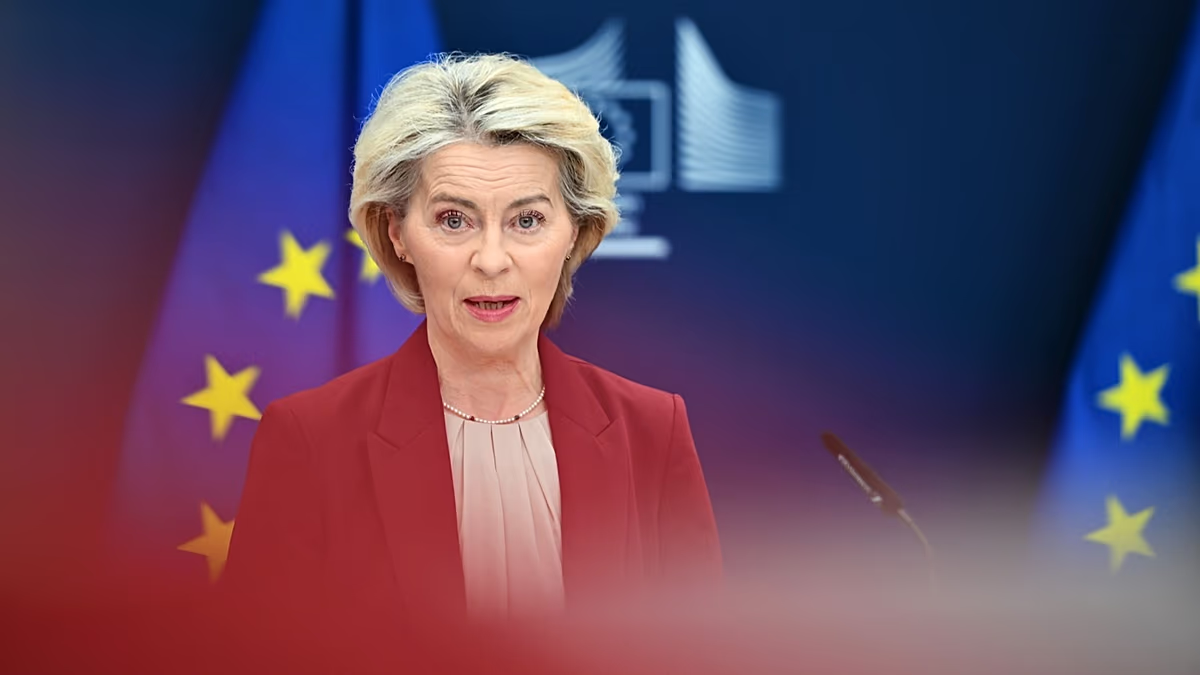

The European Commission is pushing forward with a plan to unlock approximately €185 billion in frozen Russian assets to provide a substantial reparations loan to Ukraine, despite strong objections from Belgium. Commission President Ursula von der Leyen unveiled sweeping guarantees on Wednesday aimed at addressing Belgian concerns about potential retaliation from Moscow and the financial risks associated with the scheme. The move comes as Ukraine urgently seeks continued financial and military aid, anticipating a need for fresh funding as early as spring 2024.
The proposed loan, intended to cover Ukraine’s estimated €135 billion financial needs over the next two years – with the EU contributing at least €90 billion – would utilize the immobilized funds of the Russian Central Bank held within the European Union. Repayment would be contingent on Russia agreeing to compensate Ukraine for the damages caused by its war of aggression, a scenario widely considered improbable. The bulk of these assets are held at Euroclear, a central securities depository based in Brussels, giving Belgium significant leverage in the negotiations.
Addressing Belgium’s Concerns Over the Reparations Loan
Belgium has consistently demanded comprehensive guarantees to shield itself from potential repercussions should the reparations loan proceed. These concerns center around the possibility of Moscow retaliating by seizing assets held by Belgian entities in Russia or in Russian-friendly jurisdictions. Belgian Foreign Minister Maxime Prévot reiterated these anxieties on Wednesday, stating the loan was “the worst” of the financial options available and that Belgium’s concerns were being “downplayed.”
The Commission’s proposed safeguards include bilateral contributions from other member states, a backstop from the EU budget, legal protections against unlawful expropriation, and a prohibition on transferring sovereign assets back to Russia. Von der Leyen emphasized that these measures are designed to “increase the cost of Russia’s war of aggression” and incentivize negotiations. However, Prévot indicated that the guarantees offered are insufficient, suggesting a requirement for assurances exceeding the value of the immobilized assets themselves.
The Risk of Sanctions Being Undermined
A key vulnerability lies in the fact that the sanctions authorizing the immobilization of the Russian assets are subject to renewal by unanimous agreement among EU member states. There is a risk that a single country could veto the renewal, thereby releasing the funds and collapsing the loan scheme. The European Central Bank has also declined to provide an emergency liquidity backstop to mitigate potential financial fallout from such a scenario, further complicating matters.
In the event that a consensus on the reparations loan cannot be reached, the Commission has proposed reverting to a plan involving joint EU borrowing, similar to the approach taken during the COVID-19 pandemic. This would entail issuing approximately €45 billion in debt in 2026 alone. However, this option is opposed by many member states due to its immediate impact on national budgets, according to reports.
The Broader Geopolitical Context
The debate over the Russian assets has become intertwined with broader discussions about a potential peace settlement in Ukraine. Initial U.S.-led peace proposals reportedly included a controversial plan to utilize the frozen assets for investment vehicles benefiting both Washington and Moscow, sparking outrage among European leaders. While those proposals have evolved, the fate of the assets remains a central point of contention.
President Volodymyr Zelenskyy has stressed the importance of fairness and transparency in any decisions regarding the frozen funds, stating that negotiations should not occur “behind Ukraine’s back.” Belgian Prime Minister Bart De Wever went further, warning in a letter to von der Leyen that proceeding with the loan could inadvertently hinder the prospects for a peace deal. He suggested that Russia might not be designated the “losing party,” potentially entitling it to reclaim its sovereign assets. Reuters provides further coverage of this issue.
The International Monetary Fund (IMF) is also considering an $8.1 billion program for Ukraine, but its final decision hinges on firm commitments from European allies to ensure Kyiv’s macroeconomic stability. This adds further pressure to reach a resolution on the financing issue.
EU ambassadors will now begin reviewing the legal texts presented by the Commission. The goal is to secure a deal before the crucial EU summit on December 18th, leaving a very limited timeframe for negotiations. The coming days will be critical in determining whether the EU can overcome internal divisions and deliver the financial support Ukraine urgently needs.
The situation remains fluid, and observers will be closely watching for any signs of compromise or further escalation in the dispute. Stay tuned for updates as the EU leaders prepare to address this complex issue at the upcoming summit.