


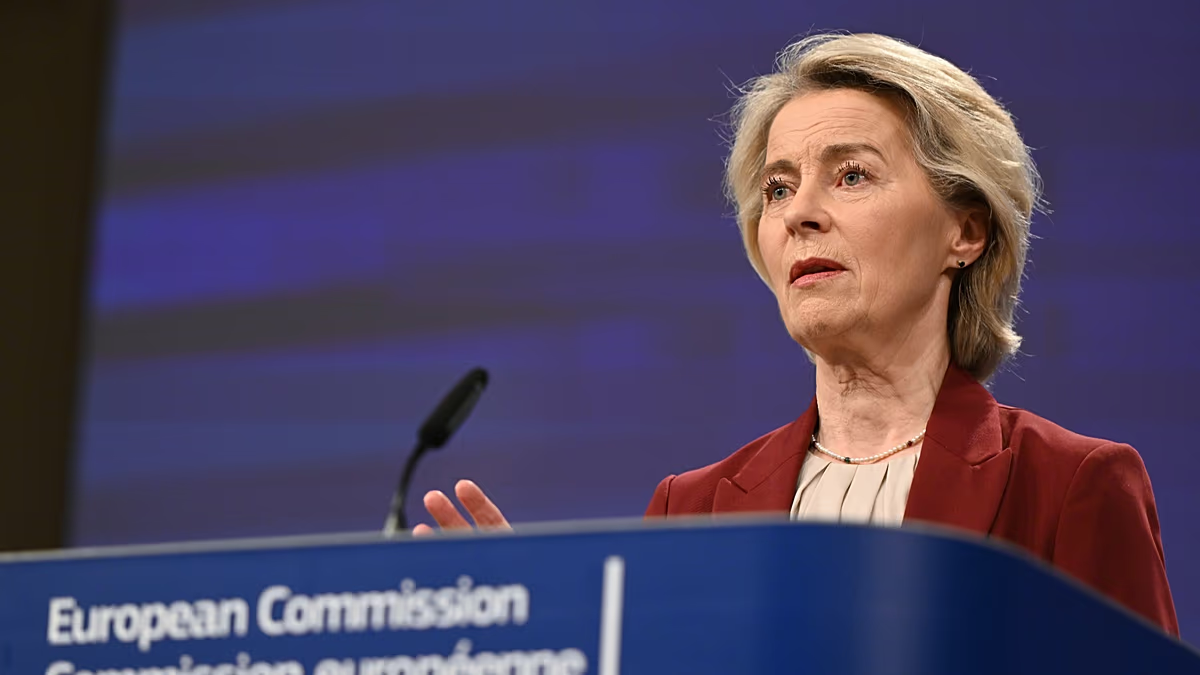

The European Commission, led by Ursula von der Leyen, successfully weathered a vote of confidence on Thursday, January 22, 2026, after a motion tabled by the far-right Patriots for Europe (PfE) group was rejected by the European Parliament. The vote, held in Strasbourg, saw 390 MEPs vote against the motion, 165 in favour, and 10 abstentions. This outcome follows a period of heightened scrutiny over the Commission’s policies, particularly regarding agricultural trade agreements.
The attempt to unseat von der Leyen came just one day after Parliament voted to refer the EU-Mercosur trade agreement to the EU Court of Justice. This series of events underscores growing tensions between the Commission and segments of the Parliament, especially concerning the impact of trade deals on European farmers and the broader agricultural sector. The vote highlights the ongoing political challenges facing the Commission as it navigates complex policy areas.
Understanding the Vote of Confidence and its Context
A two-thirds majority of votes cast, representing a majority of all sitting MEPs, was required to trigger the Commission’s removal. This high threshold reflects the stability intended within the EU’s governing structure. According to the European Parliament’s rules of procedure, motions of censure are a powerful tool, but rarely successful.
The PfE’s motion specifically targeted the Commission’s handling of the EU-Mercosur agreement, a trade deal with Argentina, Brazil, Paraguay, and Uruguay. The group argued that the Commission had disregarded the concerns of farmers and citizens and exceeded its authority in finalizing the agreement. Farmers’ associations have been actively protesting outside the Parliament, demanding von der Leyen’s resignation.
Farmers’ Protests and the Mercosur Deal
The EU-Mercosur trade agreement has faced significant opposition from agricultural groups who fear increased competition from South American producers. Concerns center around differing environmental and animal welfare standards, as well as the potential for lower-priced imports to undercut European farmers. These concerns have fueled widespread protests across several EU member states. More information on the EU-Mercosur agreement can be found on the European Parliament’s website.
Meanwhile, the Commission maintains that the agreement will create significant economic opportunities for both the EU and Mercosur countries. They argue that it will diversify trade relationships and promote sustainable development. However, these arguments have done little to quell the discontent among protesting farmers.
Previous Votes and Political Dynamics
This recent vote of confidence marks the fourth such attempt during von der Leyen’s current term as Commission President. Previous motions in July and October 2025 also failed to reach the required threshold for approval. This pattern suggests a consistent, though not unanimous, level of support for the Commission within the Parliament.
The debate surrounding the motion was notably subdued, with Commissioner for Trade, Interinstitutional Relations, and Transparency Maroš Šefčovič representing the Commission and limited participation from political group leaders. This lack of engagement indicates a widespread expectation of the outcome. Additionally, support for the motion was largely confined to far-right parties, despite broader criticism of the EU-Mercosur deal and other Commission policies.
Implications and What to Watch
The successful defense of the vote of confidence provides a degree of stability for the von der Leyen Commission, allowing it to continue pursuing its policy agenda. However, the underlying tensions surrounding trade policy and agricultural concerns remain. The referral of the EU-Mercosur agreement to the EU Court of Justice introduces a new layer of uncertainty, potentially delaying or even halting the agreement’s implementation. The ongoing farmer protests and broader debate about Common Agricultural Policy (CAP) reform will likely continue to shape the political landscape.
Looking ahead, observers will be closely watching the EU Court of Justice’s review of the Mercosur agreement and the Commission’s response to the concerns raised by farmers and MEPs. The outcome of these developments will be crucial in determining the future of EU trade policy and the Commission’s relationship with the European Parliament. Stay informed about further developments regarding the vote of confidence and EU agricultural policy on official EU websites and reputable news sources.