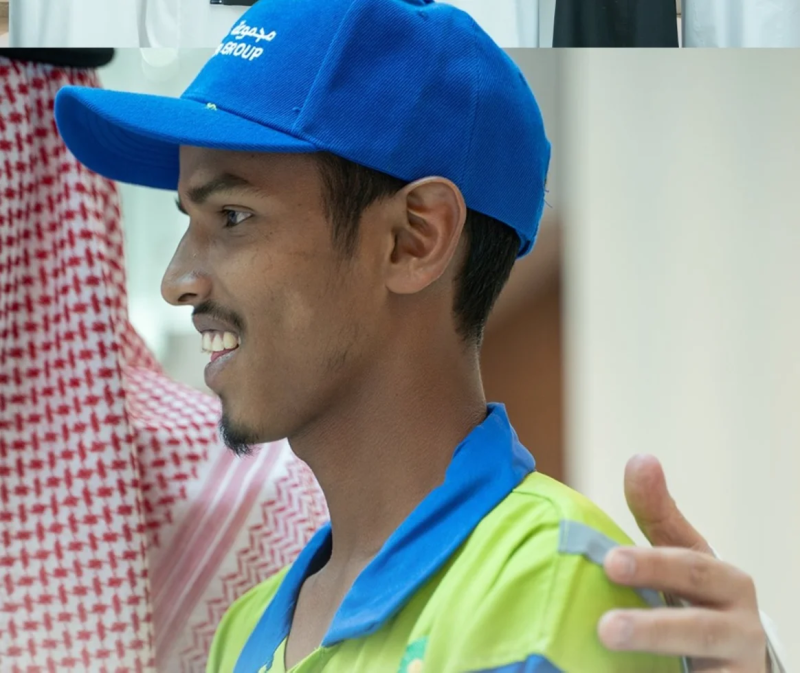

Makkah, Saudi Arabia – The Makkah Mayoralty recently recognized a Bangladeshi cleaning worker for an act of selfless generosity inside the Grand Mosque. A video showing the worker offering his personal prayer rug to a pilgrim quickly went viral, sparking widespread admiration and highlighting the dedication of service workers during the Hajj and Umrah seasons. The incident underscores the importance of hospitality and compassion within the Islamic holy city.
Kindness in the Grand Mosque: Recognizing a Makkah Worker
The Makkah Mayoralty’s acknowledgment of the worker’s actions was presented as an appreciation for his exemplary conduct and commitment to serving pilgrims. Officials stated the gesture powerfully reflects the values central to Makkah and the Masjid al-Haram, the holiest mosque in Islam. The worker’s simple act of providing a prayer rug resonated deeply with those who viewed the footage circulating on social media platforms.
The video depicts the worker calmly and without hesitation offering his rug to a pilgrim who appeared to need a clean space for prayer. This occurred within the bustling environment of the Grand Mosque, where space can be limited, particularly during peak pilgrimage times. The worker’s willingness to forgo his own comfort for the sake of a worshipper drew immediate and extensive praise.
The Significance of Pilgrim Support
Millions of Muslims from around the world travel to Makkah each year to perform the Hajj and Umrah pilgrimages. These journeys are often physically demanding and require significant logistical support. A large workforce, comprised of individuals from various nationalities, is responsible for maintaining the cleanliness and order of the holy sites, as well as providing assistance to pilgrims.
According to reports from the Saudi Ministry of Hajj and Umrah, the number of pilgrims has been steadily increasing in recent years. This growth places a greater demand on the infrastructure and services available in Makkah, and emphasizes the crucial role played by these dedicated workers. The ministry consistently promotes initiatives focused on enhancing the pilgrim experience.
Social media users responding to the video frequently commented on the worker’s humility and genuine desire to help. Many expressed admiration for his selfless act, describing it as a true embodiment of Islamic values. Several individuals also noted the worker’s expressed wish to continue working in Makkah and called for support to help him achieve that goal.
The incident serves as a poignant reminder of the countless, often unnoticed, acts of kindness performed daily by the workforce supporting pilgrims in Makkah. While the Hajj and Umrah are deeply spiritual experiences, they are also facilitated by the practical efforts of individuals like this cleaning worker. This dedication to service is a cornerstone of the pilgrimage experience.
The Makkah Mayoralty’s response is part of a broader effort to acknowledge and appreciate the contributions of all those involved in serving pilgrims. The city has previously launched campaigns recognizing the dedication of various workers, including sanitation staff, security personnel, and medical professionals. These initiatives aim to foster a sense of community and shared responsibility in providing a welcoming and supportive environment for visitors.
The recognition received by the Bangladeshi worker has also sparked conversations about the welfare and support systems available for foreign workers in Saudi Arabia. While the Kingdom has implemented labor reforms in recent years, challenges remain in ensuring fair treatment and adequate protections for all workers. Advocacy groups continue to monitor conditions and push for further improvements.
The worker’s story has been widely shared in both Arabic and English-language media, extending its reach beyond the initial social media audience. News outlets have highlighted the incident as a positive example of human compassion and the spirit of Makkah. This positive publicity is expected to further reinforce the city’s image as a welcoming and hospitable destination for pilgrims.
The Makkah Mayoralty has not announced any specific long-term benefits for the worker beyond the initial recognition. However, the widespread attention has led to offers of assistance from individuals and organizations. It remains to be seen whether these offers will materialize into tangible support, such as financial aid or assistance with securing more stable employment. The situation is being monitored by local community groups.
Looking ahead, the Makkah Mayoralty is expected to continue its efforts to enhance the services provided to pilgrims and to recognize the contributions of the workforce that supports them. Further announcements regarding worker welfare initiatives are anticipated before the next Hajj season. The long-term impact of this particular incident on broader labor practices within the region will also be a key area to watch.
The incident involving the Makkah worker serves as a powerful illustration of the human element within the grand scale of the Hajj and Umrah pilgrimages. It also highlights the importance of recognizing and valuing the contributions of all those who work tirelessly to ensure a safe and meaningful experience for pilgrims. Future reports will detail any developments related to the support offered to the worker, as well as broader initiatives concerning pilgrim support and worker welfare in the holy city. The ongoing focus on hospitality in Makkah will undoubtedly shape the experience for millions of visitors each year.