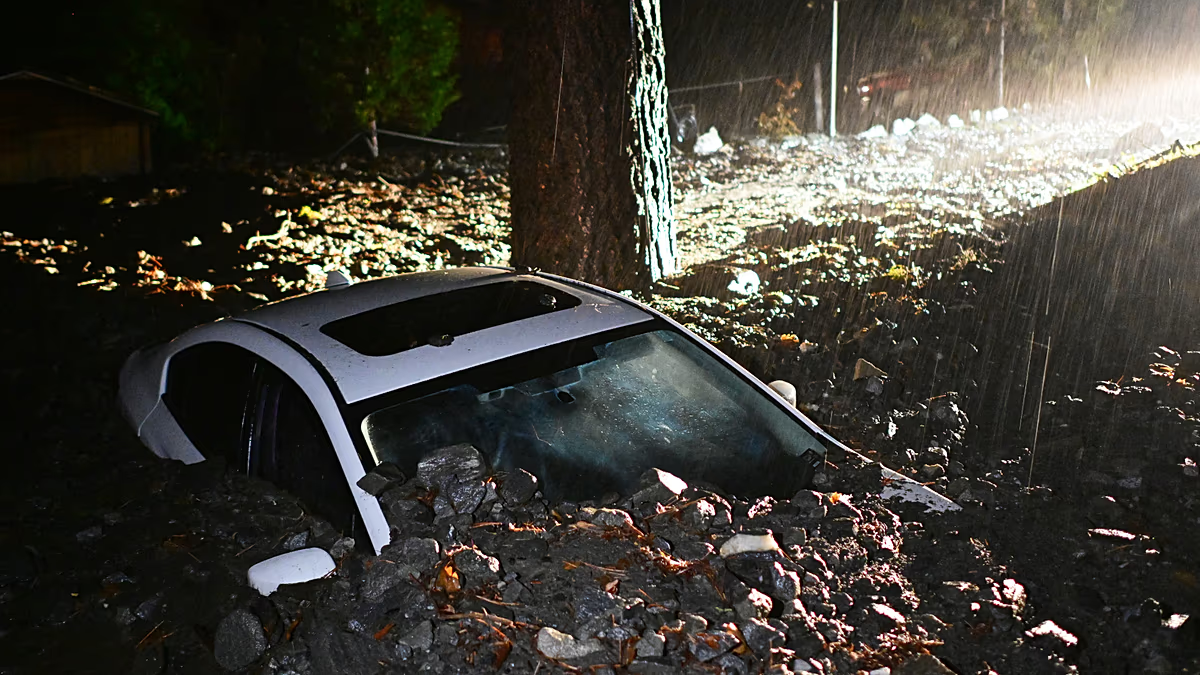

A powerful winter storm slammed into California on Wednesday, unleashing torrential rain, gale-force winds, and heavy snowfall across the state. The storm disrupted holiday travel plans for millions and prompted evacuation warnings, particularly in areas vulnerable to mudslides following recent wildfires. Governor Gavin Newsom declared a state of emergency in six counties as emergency crews braced for continued impacts.
The system impacted a wide swath of California, from the coast to the mountains, beginning late Tuesday and intensifying throughout Wednesday. Heavy rainfall caused flooding in urban areas, while strong winds downed trees and power lines. Mountain regions experienced blizzard conditions with near-zero visibility, making travel extremely dangerous. The National Weather Service warned of continued hazardous conditions through Thursday.
California Winter Storm: Impacts and Emergency Response
The most significant impacts of the winter storm were felt across Southern California, where recent wildfires have left hillsides stripped of vegetation and susceptible to mud and debris flows. Evacuation warnings were issued in Los Angeles, San Bernardino, and Santa Barbara counties, urging residents in burn scar areas to leave their homes. According to the California Office of Emergency Services, these warnings were a proactive measure to protect lives and property.
Travel Disruptions and Road Closures
The storm created significant challenges for holiday travelers. Major highways, including portions of Interstate 5 over the Grapevine, were temporarily closed due to heavy snow and icy conditions. Numerous other roads throughout the state experienced delays or closures, according to reports from the California Department of Transportation (Caltrans). Airports also experienced delays and cancellations as airlines struggled to maintain schedules.
Meanwhile, first responders were kept busy responding to incidents across the state. In Los Angeles, firefighters rescued a man who became trapped in a drainage tunnel during the height of the storm. Numerous reports of downed power lines and flooded roadways also required emergency attention. Pacific Gas and Electric (PG&E) reported tens of thousands of customers without power.
State of Emergency and Resource Deployment
Governor Newsom’s declaration of a state of emergency in Los Angeles, San Bernardino, San Diego, Kern, Riverside, and Ventura counties allows for the mobilization of state resources to support local response efforts. The California National Guard was placed on standby to assist with potential rescue operations and debris removal. Additionally, the state is coordinating with local agencies to provide shelter and support to those affected by the storm.
The intensity of the precipitation is notable, with some areas receiving more than a foot of rain in the past 24 hours. This level of rainfall, combined with saturated ground, significantly increases the risk of flooding and landslides. The National Weather Service’s forecast indicates that the storm system will gradually weaken on Thursday, but lingering impacts are expected.
In contrast to the heavy precipitation in lower elevations, the Sierra Nevada mountains were blanketed in heavy snow. Mammoth Mountain reported over six feet of new snowfall, creating ideal conditions for skiing but also posing challenges for travel. Winter weather advisories remain in effect for the mountains, warning of continued snow and icy conditions.
The current weather event highlights California’s vulnerability to extreme weather, particularly during the winter months. Experts suggest that climate change is contributing to more frequent and intense storms, increasing the risk of flooding and other disasters. Understanding severe weather preparedness is crucial for residents.
As the storm moves eastward, residents are urged to remain vigilant and heed the warnings of local authorities. Monitor local news and weather reports for updates on road closures and evacuation orders. Stay informed about potential hazards and take necessary precautions to ensure your safety. The situation remains fluid, and continued monitoring is advised.