


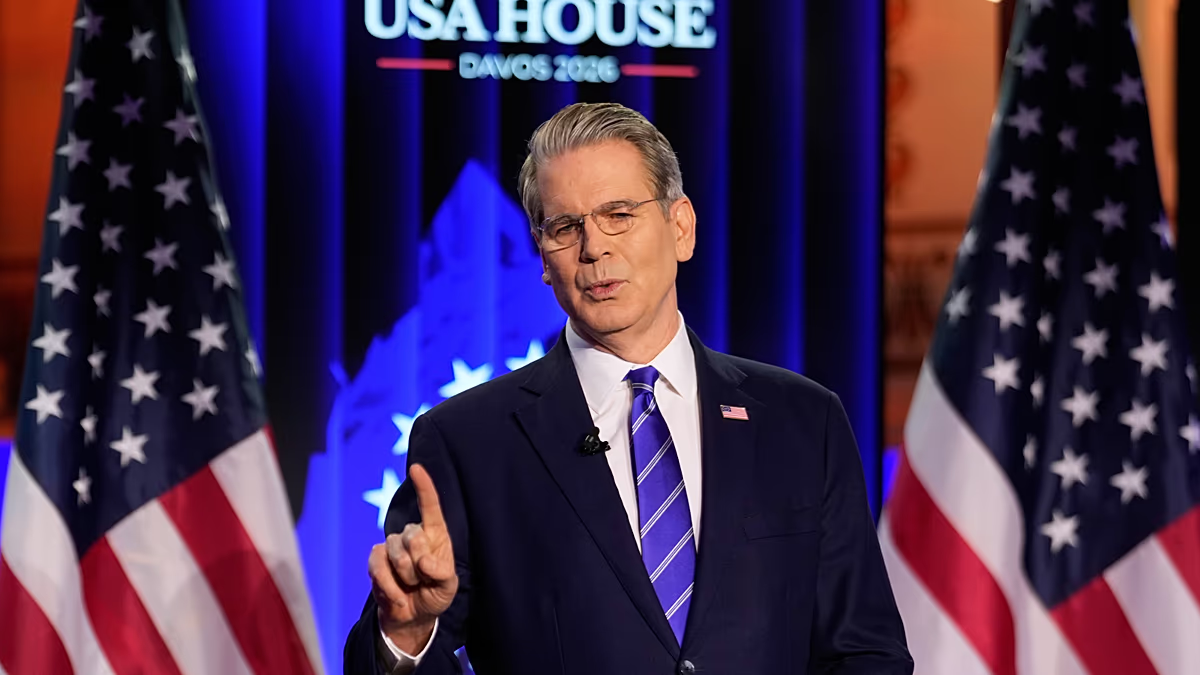

US Treasury Secretary Scott Bessent addressed growing tensions over potential tariffs proposed by former President Donald Trump, dismissing European concerns as stemming from “anger” and “bitterness.” Speaking at the World Economic Forum in Davos on Wednesday, January 21, 2026, Bessent expressed confidence that European nations would ultimately support Trump’s position, specifically regarding the strategic importance of Greenland. This development adds another layer of complexity to global trade policy discussions.
The comments came amidst escalating rhetoric regarding a possible return to Trump-era protectionist measures, including significant tariffs on goods imported from Europe. Bessent’s remarks, reported by multiple news outlets, represent a direct response to criticism from European officials who have voiced strong opposition to the proposed tariffs. The situation is unfolding as international leaders gather in Davos for annual economic talks.
Understanding the Trump Tariff Threat and Bessent’s Response
The potential imposition of tariffs is rooted in Trump’s longstanding belief that the United States has been unfairly disadvantaged in international trade agreements. During his previous presidency, Trump implemented tariffs on steel, aluminum, and a range of other goods, leading to retaliatory measures from other countries and disrupting global supply chains. He has repeatedly signaled his intention to revisit these policies if re-elected.
Bessent’s assertion that European “anger” and “bitterness” are driving their opposition is a notable framing of the issue. He suggested that once European leaders fully understand Trump’s rationale, particularly concerning Greenland, they will be more receptive to his proposals. The specific connection between tariffs and Greenland remains unclear, but it appears to center on perceived national security interests and resource control.
The Greenland Factor
Trump has previously expressed interest in acquiring Greenland, an autonomous territory within the Kingdom of Denmark. While the idea was widely dismissed as unrealistic, Trump reportedly saw strategic value in the island nation, citing its vast natural resources and geopolitical location. According to reports, his administration explored potential deals with Denmark, which ultimately proved unsuccessful.
Bessent’s belief that Europeans will be “persuaded” regarding Greenland suggests that the Trump administration may attempt to leverage the tariff issue to gain some form of concession or cooperation related to the territory. This could involve increased US investment in Greenland, or a more favorable security arrangement. The Danish government has consistently maintained that Greenland is not for sale.
Meanwhile, European leaders have largely condemned the potential tariffs as a destabilizing force in the global economy. They argue that such measures would harm both sides of the Atlantic, leading to higher prices for consumers and reduced economic growth. The European Union has indicated it is prepared to respond in kind if the US proceeds with the tariffs.
Additionally, the timing of Bessent’s comments is significant. The World Economic Forum in Davos provides a platform for high-level discussions on global economic challenges. By addressing the issue publicly in this forum, Bessent appears to be attempting to shape the narrative and preempt further criticism. The World Economic Forum has been a key venue for discussing international trade for decades.
In contrast to the US stance, many European nations advocate for a multilateral approach to trade, emphasizing the importance of international cooperation and adherence to World Trade Organization (WTO) rules. They view Trump’s unilateral tariff threats as a rejection of this approach and a potential step towards a more fragmented global trading system. The WTO provides a framework for negotiating and enforcing trade agreements.
The implications of this escalating dispute are far-reaching. Beyond the direct economic impact of tariffs, the conflict could further strain transatlantic relations, which have already been tested by disagreements over issues such as defense spending and climate change. It also raises questions about the future of the global trading system and the potential for increased protectionism. The uncertainty surrounding international trade is impacting business investment decisions.
Looking ahead, the coming months will be crucial in determining whether the tariff threat materializes. The outcome will likely depend on the results of the US presidential election and the willingness of both sides to engage in meaningful negotiations. Businesses involved in transatlantic trade should closely monitor developments and prepare for potential disruptions. Further analysis of economic policy shifts is recommended. The situation also highlights the importance of diversifying supply chains to mitigate risks associated with geopolitical tensions and global markets.
Stay informed about this evolving situation and its potential impact on your business. Consider subscribing to trade news alerts and consulting with experts in international trade law and policy.