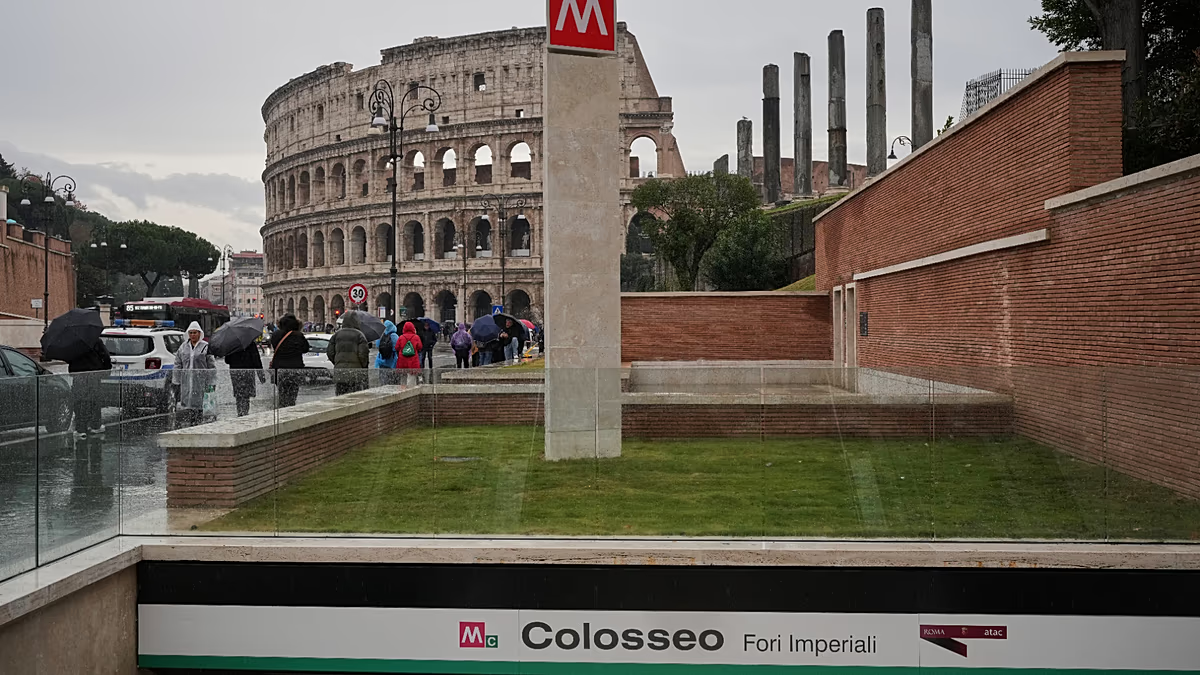

Rome’s newest Metro C line has finally opened sections to the public after nearly two decades of construction, offering commuters a modern transportation solution alongside glimpses into the city’s rich archaeological past. The initial phase, connecting the San Giovanni and Fori Imperiali stations, reveals significant Roman ruins discovered during excavation. Passengers traveling near the Colosseum can now view first-century artifacts directly on the platforms.
The opening, celebrated on December 15, 2023, marks a significant milestone for the city’s public transport network. The project, plagued by funding delays and the complexities of building beneath a historical city, promises to alleviate traffic congestion and provide a unique travel experience. According to the Ministry of Infrastructure and Transport, further extensions are planned to eventually connect the entire city.
Unearthing History: The Rome Metro C Project
The construction of Metro C wasn’t simply about laying tracks; it was an archaeological undertaking. Excavations along the route, particularly beneath the Via dei Fori Imperiali, consistently revealed layers of Roman history. This necessitated careful planning and collaboration between engineers and archaeologists to preserve these finds.
Preserving the Past
At the Fori Imperiali station, commuters can observe ceramic vessels, ancient stone wells, and the remains of a Roman bath dating back to the first century AD. These artifacts, once part of a private home, are now displayed for public viewing. Nearby, the Porta Metronia station has uncovered a military barracks and elaborately decorated rooms from the imperial era.
The challenges were substantial. Engineers had to manage significant groundwater issues while simultaneously protecting the structures above ground. The need to meticulously document and preserve each discovery added considerable time and expense to the project. However, officials maintain that the historical discoveries enhance the value of the new transit line.
A Long Road to Completion
Planning for Metro C began in the early 2000s, but progress was hampered by a series of setbacks. Funding shortages repeatedly stalled construction, and the delicate nature of the archaeological site required a slower, more cautious approach. The project’s complexity also involved navigating bureaucratic hurdles and coordinating with various cultural heritage authorities.
The initial sections represent a significant victory for the city. The completed stations are designed to integrate the archaeological finds seamlessly into the modern transport environment. This approach aims to educate passengers about Rome’s history while providing a functional and efficient public transport option. The Colosseum, a major tourist attraction, is now more easily accessible via the new line.
Impact and Future Expansion of the Rome Metro
The completed sections of Metro C are expected to significantly reduce traffic congestion in central Rome, a city notorious for its crowded streets. By providing a faster and more reliable alternative to cars and buses, the metro line aims to improve air quality and enhance the overall quality of life for residents. Additionally, the improved connectivity is anticipated to boost tourism.
The long-term vision for Metro C involves extending the line further north and south, eventually creating a comprehensive network that serves the entire city. Future phases will connect to other metro lines and railway stations, creating a more integrated public transport system. The city is also exploring options for further archaeological integration in subsequent construction phases. ATAC, Rome’s public transport company, is responsible for the ongoing development and operation of the metro system.
The opening of these stations marks a pivotal moment for Rome, blending modern infrastructure with its ancient heritage. As construction continues on the remaining sections, residents and visitors alike can anticipate a more efficient and historically enriching travel experience. Keep an eye on updates from the Ministry of Infrastructure and Transport for the latest news on the Metro C expansion and explore the fascinating archaeological discoveries firsthand during your next visit to Rome.