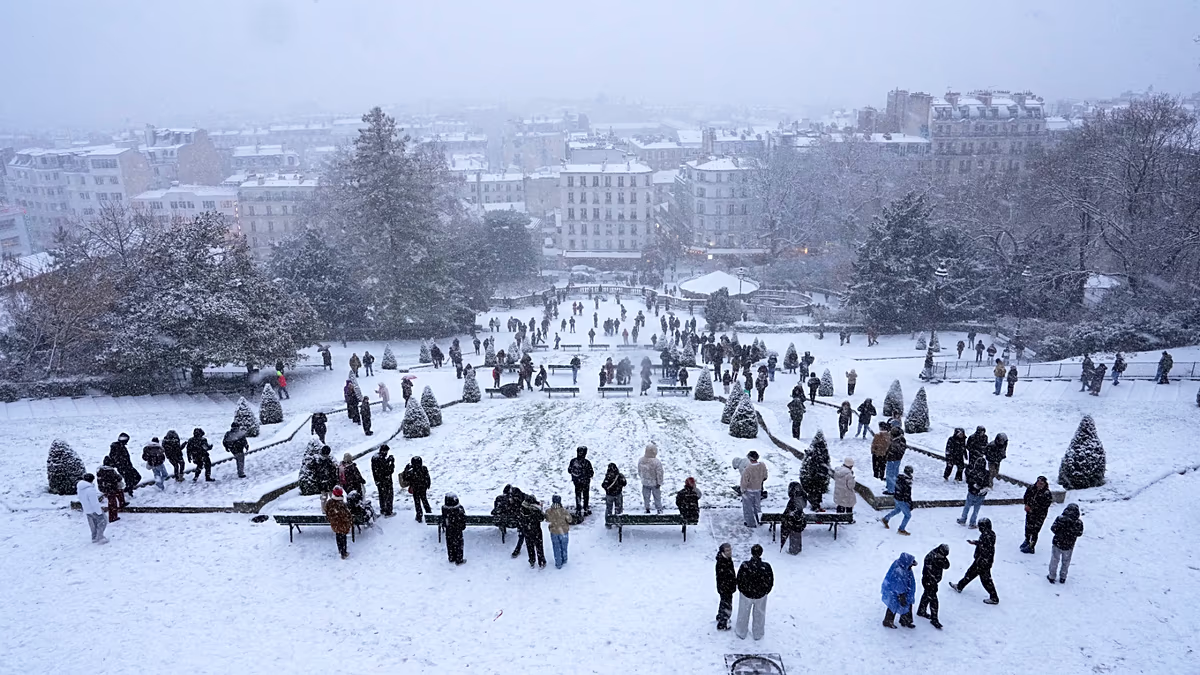

Severe winter weather disrupted travel across parts of Europe on Monday, with significant impacts reported in Britain, France, and the Netherlands. Roads were closed, numerous flights were grounded, and train services experienced widespread cancellations as a cold snap brought heavy snowfall and freezing temperatures to the region. The disruption affected both commuters and tourists alike, prompting travel advisories and calls for caution from authorities.
The most dramatic scenes unfolded in Paris, where heavy snowfall blanketed the city, creating a picturesque but hazardous environment. Temperatures plunged below freezing, leading to icy conditions on roads and pavements, and impacting transport networks throughout the French capital. The snowfall also extended into other areas of northern France, adding to the difficulties.
Impact of Winter Weather on European Travel
The combination of snow and low temperatures caused widespread disruption to all modes of transport. According to reports, London Heathrow Airport experienced cancellations and delays, while Eurostar train services between London and Paris also faced interruptions. The Netherlands saw significant road closures due to treacherous conditions, snarling traffic across the country.
The French government activated its winter weather emergency plans, deploying resources to clear roads and assist stranded travelers. This included mobilizing snowplows and providing shelter for those unable to continue their journeys. Road safety officials urged motorists to avoid non-essential travel and to exercise extreme caution if driving was unavoidable.
The unusually cold weather follows a period of relatively mild temperatures in much of Western Europe. Experts note that the current conditions are due to an Arctic air mass moving south, bringing with it a sharp drop in temperatures and increased snowfall. Some meteorologists predict that the cold spell could persist for several days.
Flight Cancellations and Delays
Airlines across the affected region proactively cancelled flights to minimize disruption and ensure passenger safety. The sheer volume of cancellations, however, led to knock-on effects, causing further delays and leaving many passengers stranded at airports. Passengers were advised to check with their airlines for the latest information on their flights.
Road and Rail Disruptions
Roads throughout the affected areas were particularly vulnerable to closures. The combination of snow and ice created dangerous driving conditions, leading authorities to prioritize public safety. Rail networks also faced challenges, with signaling systems affected by the cold and snow accumulation causing delays and cancellations.
Meanwhile, the disruption is also impacting logistics and supply chains. The movement of goods by road and rail has been slowed, and concerns are growing about potential shortages of certain products. This could have ripple effects on businesses and consumers in the coming days.
In contrast to the disruptions, the snowfall was largely welcomed by tourists in cities like Paris, providing a rare visual spectacle. Images of the snow-covered Eiffel Tower and Arc de Triomphe circulated widely on social media. However, authorities stressed that the beauty of the snow should not distract from the inherent dangers of icy conditions.
Looking ahead, forecasters predict that temperatures are likely to remain below freezing in many areas overnight. This raises the prospect of further travel disruption on Tuesday. Travelers are urged to monitor the situation closely and to allow extra time for their journeys. For detailed weather forecasts, you can consult the Met Office. The situation remains fluid, and further updates will be provided as necessary, especially regarding winter weather impacts.
The increased demand for travel insurance and emergency assistance due to this winter weather event suggests that preparedness is key. Travelers should familiarize themselves with their rights and available support in case of disruption. Continued monitoring of the evolving weather situation and transport updates is strongly advised.
The impact of this winter weather extends beyond immediate travel concerns, potentially influencing energy demand and heating costs across Europe. The prolonged cold spell could strain energy grids as people turn up their heating, potentially leading to price increases. This winter weather serves as a reminder of the challenges posed by extreme climate events.
It is important to stay informed about the ongoing situation and to heed the advice of local authorities. For information on road conditions in France, please refer to the French government’s website. Travelers should expect continued disruptions and plan accordingly.