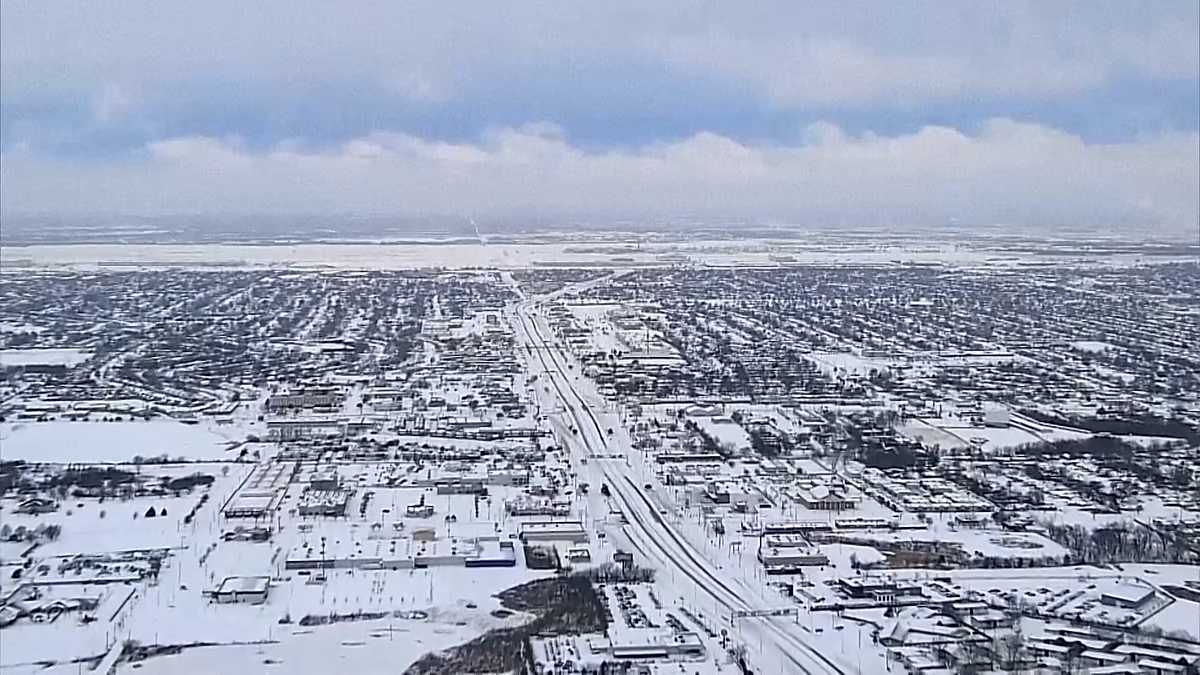

A massive winter storm is impacting a significant portion of the United States, bringing heavy snow, sleet, and freezing rain to over 180 million people. The National Weather Service (NWS) reported Saturday night that the storm system stretches from the southern Rocky Mountains to New England, creating hazardous travel conditions and potential power outages. This widespread winter weather event is causing disruptions across multiple states as communities prepare for a prolonged period of frigid temperatures.
The storm began impacting the central U.S. on Sunday, with Oklahoma City experiencing substantial snowfall and numerous traffic incidents. Department of Transportation crews are actively working to treat roadways with salt brine and remove accumulated snow, but travel remains strongly discouraged in affected areas. The severe conditions are expected to persist for several days, extending the impact of the storm well into the work week.
Understanding the Scope of the Winter Storm
The sheer scale of this winter weather system is noteworthy. According to the NWS, approximately 54% of the U.S. population is under some form of winter storm warning or advisory. This includes major metropolitan areas like Chicago, New York City, and Denver, increasing the potential for widespread disruption to daily life.
The type of precipitation varies across the impacted region. While mountainous areas are receiving heavy snowfall, states further east are contending with ice accumulation from freezing rain and sleet. This ice poses a particularly dangerous threat, as it can weigh down power lines and tree branches, leading to outages, and create extremely slippery conditions on roads and sidewalks.
Regional Impacts and Preparations
Oklahoma experienced some of the earliest and most significant snowfall, with emergency services responding to multiple vehicle accidents. Further north, states like Iowa and Illinois are bracing for blizzard conditions, characterized by strong winds and reduced visibility.
In the Northeast, the focus is on the potential for prolonged periods of freezing rain. Massachusetts and Connecticut officials are urging residents to stay home if possible and to prepare for power outages. Utility companies are staging crews to respond quickly to any disruptions in service.
The storm’s path also includes areas recently impacted by milder temperatures, creating a challenging situation for infrastructure not fully prepared for freezing conditions. This can exacerbate the risk of burst pipes and other cold-related damage.
Why is this Winter Storm So Widespread?
Meteorologists attribute the extensive reach of this storm to a powerful arctic air mass colliding with a moist air flow from the Gulf of Mexico. This clash of air masses created ideal conditions for widespread precipitation across a large geographic area. The jet stream’s configuration has also played a role, steering the storm system across the country.
Additionally, the storm is tapping into a significant amount of atmospheric moisture, contributing to the heavy snowfall and ice accumulation. The combination of cold temperatures and abundant moisture is a recipe for a major snowstorm, and this event is unfolding as predicted by many forecasting models.
Impacts Beyond Travel: Power Outages and Infrastructure
The potential for widespread power outages is a major concern. Ice accumulation can cause tree limbs to snap and fall onto power lines, while strong winds can also contribute to disruptions. Utility companies are preparing for a potentially large-scale response, but restoration efforts could be hampered by the ongoing cold weather and hazardous travel conditions.
Beyond power outages, infrastructure is also at risk. Roads and bridges can become icy and dangerous, and airports are experiencing delays and cancellations. The storm is also impacting freight transportation, potentially leading to supply chain disruptions. The economic impact of the storm is expected to be substantial.
The National Guard has been activated in several states to assist with rescue operations and provide support to local communities. Emergency shelters are also being opened to provide warmth and safety for those without adequate heating.
Looking ahead, the storm is expected to gradually move eastward, continuing to bring winter weather to the eastern United States throughout the week. Residents in affected areas should continue to monitor forecasts from the National Weather Service and heed the advice of local officials. Staying informed and prepared is crucial to minimizing the risks associated with this significant weather event.