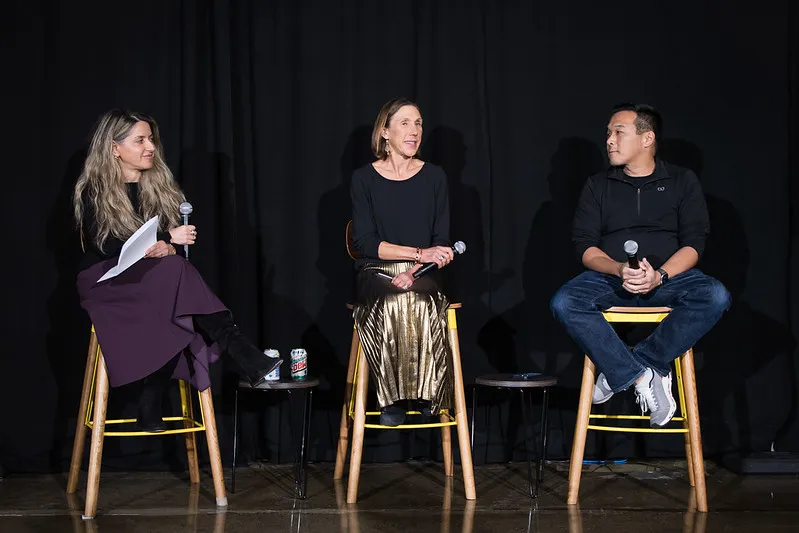

Despite rapid advancements in generative artificial intelligence, the vast majority of AI startups are currently generating revenue from business clients rather than individual consumers. While large language models (LLMs) like ChatGPT have enjoyed widespread consumer adoption, many specialized consumer applications powered by AI have yet to achieve significant traction, raising questions about the timeline for mainstream consumer success in this space.
The current landscape is marked by a period of experimentation and platform stabilization, similar to the early days of the smartphone, according to industry experts. This phase emphasizes the need for fundamental technological and hardware improvements before AI-driven consumer products can truly flourish.
The Challenges Facing Consumer AI Startups
Early consumer AI applications, especially in areas like video and photo editing, initially captured attention with their novel capabilities. However, the release of more powerful, often open-source or integrated solutions, such as OpenAI’s Sora and various Chinese video models, quickly intensified competition. This rapidly evolving technological environment has made it difficult for many startups to maintain a competitive edge.
Chi-Hua Chien, co-founder and managing partner at Goodwater Capital, likened the fate of some early AI apps to the initial surge in popularity of third-party flashlight apps for the iPhone in 2008. These quickly became obsolete as the functionality was integrated directly into iOS itself.
Chien believes the AI sector needs a period of “stabilization” akin to the smartphone platform’s maturation between 2009 and 2010, before breakthrough consumer apps emerge. This period saw the rise of mobile-first businesses like Uber and Airbnb, built on a now-established foundation.
The Role of Established Tech Giants
Recent advancements from major players, like Google’s Gemini achieving parity with ChatGPT, could signal the beginning of this crucial stabilization. The development of robust, readily available foundational AI models by established tech companies provides a base layer crucial for building sustainable consumer applications. However, this also increases the pressure on startups to differentiate themselves.
Elizabeth Weil, founder and partner at Scribble Ventures, described the current state of consumer AI as being in an “awkward teenage middle ground,” highlighting the ongoing experimentation and uncertain direction of the market.
Beyond the Smartphone: The Need for New Devices
A key constraint for many consumer AI applications is the limitations of the smartphone as the primary interface. Chien suggests that the smartphone, with its limited screen real estate and intermittent use (accessed an average of 500 times a day but capturing only a small portion of a user’s attention), is insufficient for delivering the full potential of AI.
Weil echoed this sentiment, noting the smartphone’s lack of “ambient” awareness. She expressed doubt about building lasting consumer AI experiences centered around the current generation of mobile devices.
Consequently, tech companies and startups are exploring alternative personal devices to better leverage artificial intelligence capabilities. OpenAI, in partnership with Jony Ive, is reportedly developing a “screenless,” pocket-sized device. Meta’s Ray-Ban smart glasses, controlled via wristband gestures, represents another attempt. Various startups are also experimenting with AI-powered pins, pendants, and rings.
Potential Consumer Applications
Despite the hardware challenges, opportunities exist for consumer AI even within existing paradigms. Chien envisions a personalized AI financial advisor tailored to individual user needs as a potentially successful application. Weil believes that an “always-on” personalized tutor, delivered through a smartphone, could become a ubiquitous learning tool, leveraging personalized learning and AI-driven feedback.
However, both experts expressed caution regarding nascent AI-powered social networks. Chien noted that networks populated largely by AI bots risk becoming isolating “single-player games,” lacking the essential human interaction that drives social engagement. The core appeal of social networking, he argued, lies in connecting with real people.
The broader machine learning landscape is also seeing a shift towards more practical applications, with businesses focusing on integrating AI into existing workflows rather than creating entirely new products. This trend suggests a more measured approach to AI adoption, prioritizing tangible returns on investment.
Looking ahead, the next 12-18 months will be critical in determining whether the current wave of hardware experimentation yields a viable alternative to the smartphone for delivering consumer AI experiences. The success of these new devices, coupled with continued advancements in foundational AI models, will ultimately dictate the pace of consumer AI adoption and the long-term viability of startups in this rapidly evolving field. Monitoring the development and consumer reception of these new devices, as well as the evolution of AI-powered services within existing platforms, will be key to understanding the future of AI.