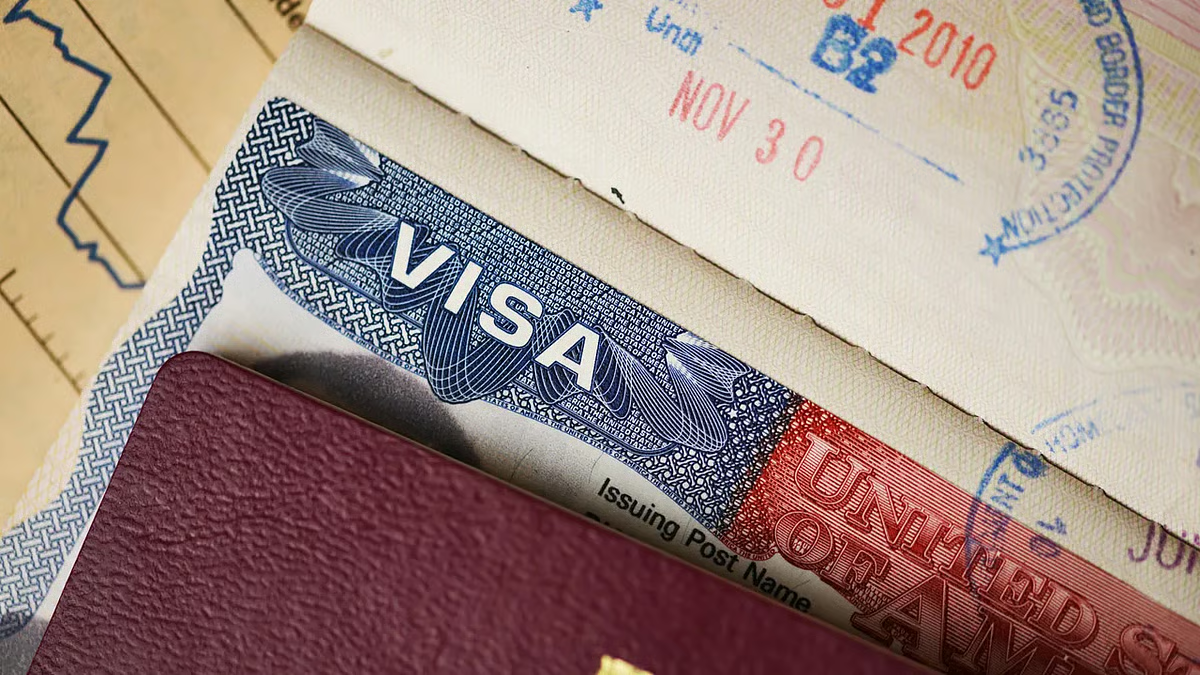

Recent changes to US visa policies are causing significant disruption to travel plans for residents of the United Arab Emirates, with initial panic leading to flight cancellations and a shift in travel behavior. The uncertainty stemmed from a proposed fee for some H-1B visa holders, though clarifications have since been issued. This, coupled with upcoming changes to the H-1B selection process, is prompting travelers to reassess their US travel arrangements and explore alternative destinations.
The immediate impact was a wave of cancellations and delays, according to travel operators in the UAE. Many residents feared they might be barred from returning to the US, despite the proposed changes not applying to existing H-1B visa holders. Although US Citizenship and Immigration Services (USCIS) subsequently clarified the fee structure, the initial confusion created considerable anxiety within the expatriate community.
Visa Changes and Travel Disruptions
The proposed changes center around a $100,000 fee for certain H-1B visa applications, intended to fund programs supporting American workers. However, the more substantial long-term impact may come from the overhaul of the H-1B selection system, scheduled to take effect in early 2026. This new rank-based system will prioritize applicants with higher salaries and specialized skills, potentially making it more difficult for some professionals to secure visas.
Increased Uncertainty and Planning
This increased complexity is demonstrably altering traveler behavior. According to industry analysts, UAE residents are increasingly opting for flexible or refundable airline tickets as a safeguard against potential visa issues. There’s also been a noticeable rise in early visa applications, with applicants preparing more extensive documentation and seeking expert advice to navigate the process successfully.
Travel consultants report a greater demand for assistance with interview preparation and a focus on avoiding procedural errors. “The visa process is now a central consideration in travel planning, something that was previously taken for granted,” noted Iakina, a travel industry observer. This shift represents a significant change in how residents approach travel to the United States.
Shifting Destinations and Demand
Beyond increased planning, the changes are also influencing destination choices. Some travelers are reportedly considering alternatives to the US, with Canada emerging as a popular option. Additionally, there has been a broader decline in applications for B-1/B-2 tourist visas from the region, suggesting a cooling of interest in leisure travel to the US.
Meanwhile, the impact on businesses reliant on skilled workers from the UAE remains a concern. The new H-1B selection process could complicate long-term hiring strategies for multinational employers, potentially impacting their ability to staff projects and maintain operations. Companies are closely monitoring the situation and evaluating their options.
Economic Implications for the UAE
The changes could also have broader economic implications for the UAE. The US is a significant destination for UAE residents, both for leisure and business. A decrease in travel could impact airlines, hotels, and other tourism-related businesses. Furthermore, the potential difficulty in securing work visas could discourage skilled professionals from relocating to the UAE, potentially affecting the country’s economic growth.
However, the UAE’s diversified economy and strong relationships with other countries may mitigate some of these effects. The country is actively pursuing economic partnerships with nations around the world, offering alternative opportunities for residents and businesses. The focus on attracting talent and investment remains a key priority.
The implementation of the rank-based H-1B selection system in early 2026 will be a critical moment. The extent of the impact on UAE residents and businesses will depend on how the system is applied and whether USCIS provides further clarification or adjustments. Industry stakeholders will continue to monitor developments closely and adapt their strategies accordingly, while travelers will likely maintain a cautious approach to US travel planning in the near future.