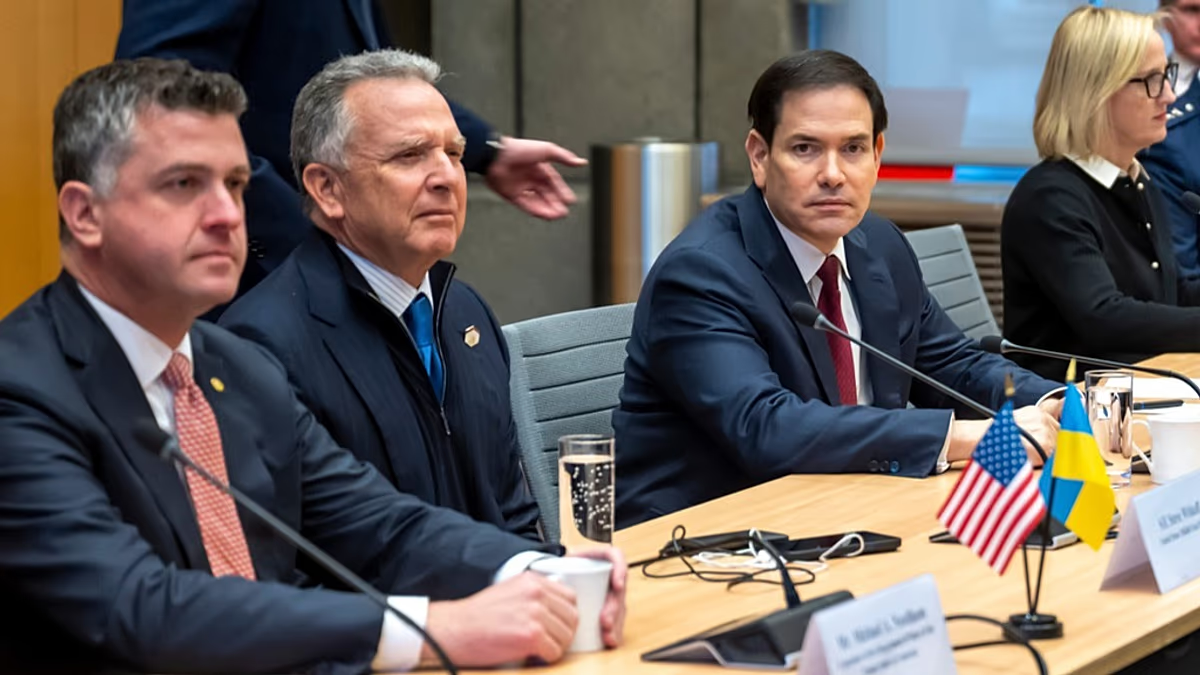

High-stakes talks in Geneva between top US and Ukrainian officials yielded progress towards a potential resolution to Russia’s invasion of Ukraine, officials said Sunday. The discussions centered on a peace plan proposed by US President Donald Trump, sparking debate among allies concerned about its conciliatory approach to Moscow. While details remain scarce, Secretary of State Marco Rubio described the conversations as “very worthwhile,” signaling a possible shift in negotiations regarding the Ukraine conflict.
Progress Reported in Ukraine Peace Talks
The negotiations, held in Switzerland, aimed to address concerns surrounding the 28-point US proposal. This blueprint has drawn criticism for accommodating several Russian demands that Ukrainian President Volodymyr Zelenskyy has previously rejected, including potential territorial concessions. According to a White House statement, the Ukrainian delegation confirmed that key concerns – security guarantees, economic development, infrastructure protection, and sovereignty – were addressed during the meeting.
Addressing European Concerns
However, the initial proposal faced resistance from European allies. German Chancellor Friedrich Merz stated he communicated to Trump that while some aspects of the plan were agreeable, others jeopardized Ukraine’s sovereignty. This sentiment reflects broader anxieties about a potential weakening of support for Ukraine’s territorial integrity. The plan’s origins have also been questioned, with some US senators alleging it originated as a “wish list” from Russia, according to reports.
Secretary Rubio characterized the proposal as a “living document,” emphasizing its ongoing evolution. He also acknowledged Russia’s role in any final agreement, stating, “obviously, the Russians get a vote here.” This underscores the complex diplomatic landscape and the need for buy-in from all parties involved in the Russia-Ukraine war.
Trump’s Stance and Zelenskyy’s Response
Meanwhile, President Trump publicly criticized Ukraine for a perceived lack of gratitude for US assistance and highlighted Europe’s continued reliance on Russian oil. These comments contrasted with the more optimistic tone emerging from the Geneva talks. In response, Zelenskyy expressed gratitude for US support while reaffirming Ukraine’s commitment to defending its territory and attributing the conflict’s origin solely to Russia.
The White House indicated that revisions to the proposal now reflect Ukraine’s national interests and include “credible and enforceable mechanisms” to safeguard its security. This suggests a willingness to address Kyiv’s concerns and build a framework acceptable to both sides. The discussions also touched upon long-term economic development and infrastructure protection, crucial elements for Ukraine’s future stability.
What’s Next for the Ukraine Peace Process?
Despite the reported progress, significant hurdles remain. Higher-level officials are expected to continue discussions in the coming days, and the Thursday deadline set by Trump for Kyiv’s response appears to be flexible. The focus now shifts to refining the proposal and securing broader international support. Observers will be closely watching for further details on the security guarantees offered to Ukraine and the extent to which the plan addresses Russia’s demands. Continued diplomatic efforts are essential to de-escalate the conflict and find a lasting solution to the ongoing humanitarian crisis.
Stay informed about the latest developments in the Ukraine peace process and the evolving geopolitical landscape by following reputable news sources.