








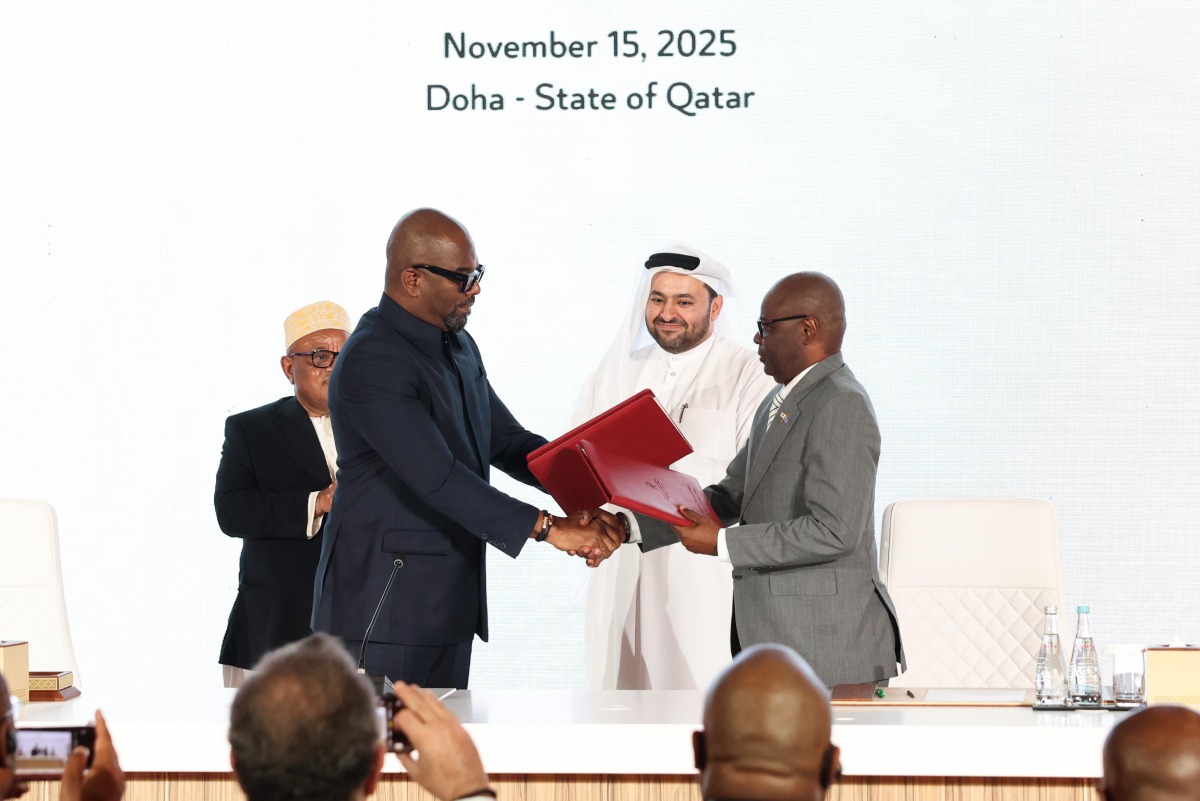

The United Nations Security Council has formally recognized the pivotal role of Qatar in brokering peace talks between the Democratic Republic of the Congo (DRC) government and the M23 movement. This acknowledgement follows the signing of the Doha Framework for Peace on November 15, 2025, a significant step toward de-escalating conflict in the eastern DRC. The resolution highlights Qatar’s mediation efforts as crucial to the ongoing process of stabilizing the region.
The recognition came as part of Security Council Resolution 2808 (2025), which renewed the mandate of the United Nations Organization Stabilization Mission in the Democratic Republic of the Congo (MONUSCO) for another year, extending the mission’s operations until December 20, 2026. The vote reflects international support for both the peace framework and the continued, albeit evolving, presence of MONUSCO in the DRC. While celebrating positive developments, the resolution maintains a focus on the persistent security challenges.
Qatar’s Role in DRC Peace Mediation
Qatar’s involvement in the DRC conflict began increasing in 2024, offering itself as a neutral ground for discussions between the Congolese government and the M23, a primarily Tutsi rebel group. The country had previously engaged in diplomatic efforts across the Middle East and Africa, building a reputation for facilitating dialogue in complex political situations. According to the Qatari Ministry of Foreign Affairs, the initiative stemmed from a commitment to regional stability and a desire to address the humanitarian crisis unfolding in eastern Congo.
The Doha Framework for Peace
The Doha Framework aims to address the root causes of the conflict, including concerns about the integration of M23 fighters into the Congolese army and the protection of Tutsi communities within the DRC. Key elements of the agreement include a ceasefire, the disarmament and demobilization of M23 combatants, and a commitment from the DRC government to address the grievances of the Tutsi population. The framework also outlines provisions for the return of displaced persons and the resumption of humanitarian aid.
The M23 rebellion has been particularly devastating in North Kivu province, a region rich in minerals and bordering Rwanda and Uganda. The conflict has displaced hundreds of thousands of people and exacerbated existing humanitarian concerns. The United Nations has consistently condemned the group’s attacks on civilians and its destabilizing influence on the region.
However, the path to lasting peace remains fraught with challenges. The region is home to numerous armed groups, and previous peace agreements have often failed to hold. Additionally, allegations of external support for the M23, particularly from Rwanda, have complicated conflict resolution efforts. The UN Group of Experts on the DRC has reported evidence suggesting Rwandan involvement, though Kigali has consistently denied these claims.
Meanwhile, the renewal of MONUSCO’s mandate is itself a subject of debate. The DRC government has expressed a desire for a more rapid withdrawal of the peacekeeping force, citing concerns about its effectiveness and its perceived interference in Congolese affairs. The resolution acknowledges these concerns and sets a revised timeline for MONUSCO’s drawdown, emphasizing a transition towards increased Congolese ownership of security.
In contrast to outright withdrawal, the UN Security Council is prioritizing a phased reduction of the mission’s troop levels and a shift in focus towards providing technical assistance and support to the Congolese security forces. This approach reflects a broader international trend toward supporting locally-led peacebuilding initiatives. This move toward supporting the DRC’s own security apparatus is meant to ensure a more sustainable peace process.
Further complicating the situation are the ongoing tensions between the DRC and Rwanda. Diplomatic relations between the two countries have been strained for years, fueled by mutual accusations of supporting rebel groups. Continued dialogue and confidence-building measures are considered essential to prevent a resurgence of conflict. The effectiveness of the diplomacy surrounding the framework will heavily rely on cooperation between these neighboring nations.
Looking ahead, the successful implementation of the Doha Framework will require sustained commitment from all parties involved, including the Congolese government, the M23, regional actors, and the international community. Monitoring the ceasefire, ensuring the safe disarmament of M23 fighters, and addressing the underlying grievances of the Tutsi population are immediate priorities. The UN Security Council will review MONUSCO’s mandate again in December 2026, assessing the progress made and determining the future of the mission, and the continuing need for international intervention.

