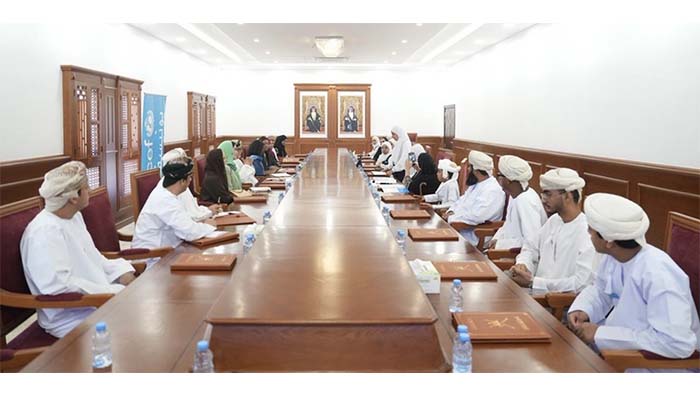

The future of Oman’s children was at the forefront today as UNICEF, in collaboration with key Omani institutions, hosted vital children’s rights dialogue sessions in North Al Sharqiyah. These sessions, held as part of the annual World Children’s Day celebrations under the theme “My Day, My Rights,” provided a platform for young voices to be heard and for a deeper understanding of their fundamental entitlements. The event underscored a national commitment to safeguarding the well-being and empowering the next generation.
Empowering Young Voices: World Children’s Day in North Al Sharqiyah
Under the esteemed patronage of Mahmoud bin Yahya Al Dhuhli, Governor of North Al Sharqiyah, and with the presence of HH Dr. Mona bint Fahd Al Said and Sumaira Chowdhury, UNICEF Representative in the Sultanate of Oman, the dialogue sessions marked a significant step in promoting children’s rights across the region. The initiative brought together students from a diverse range of educational institutions, including public and private schools, as well as those specializing in special education and social integration. This inclusive approach ensured that the perspectives of all children were represented.
A Collaborative Effort for Child Welfare
The success of this event was rooted in strong partnerships. UNICEF worked closely with the Office of the Governor of North Al Sharqiyah, the Children First Association, and the Ministry of Education to create a meaningful and impactful experience for the students. This collaborative spirit highlights the shared dedication to prioritizing the needs of children and fostering an environment where they can thrive. The Children First Association’s involvement was particularly crucial in ensuring the sessions were child-friendly and addressed relevant concerns.
Focusing the Dialogue: Key Rights and Responsibilities
The dialogue sessions weren’t simply about talking *to* children, but rather engaging *with* them. The core of the discussions revolved around fundamental children’s rights, specifically those related to education, health, the environment, and the increasingly pressing issue of climate change. Students were encouraged to voice their opinions, ask questions, and share their understanding of these crucial topics.
Organizers focused on making the information accessible and relevant to the students’ daily lives. For example, discussions on health extended beyond basic medical care to encompass mental well-being and access to safe and supportive environments. Similarly, the conversation around climate change wasn’t abstract; it focused on how students could contribute to sustainable practices within their communities. This practical approach aimed to empower them to become agents of change.
Promoting Active Citizenship and Advocacy
A key objective of the sessions was to equip students with the knowledge and confidence to advocate for their own rights and the rights of others. The discussions explored how students could actively promote children’s rights within their schools, families, and wider social circles. This included understanding the importance of reporting violations, participating in community initiatives, and raising awareness about issues affecting children.
Furthermore, the sessions highlighted the role of education in empowering children. Access to quality education is a cornerstone of realizing all other rights, and the dialogue emphasized the importance of creating inclusive and supportive learning environments. The Ministry of Education’s participation was vital in reinforcing this message and outlining ongoing efforts to improve educational opportunities for all Omani children. Child protection was also subtly woven into the discussions, emphasizing the importance of safe environments for learning and growth.
The Importance of Listening to Children
Sumaira Chowdhury, UNICEF Representative in the Sultanate of Oman, emphasized the importance of these dialogue sessions as a means of truly understanding the needs and aspirations of children. “Listening to children is not just a matter of respecting their rights; it’s essential for building a better future for everyone,” she stated. “Their perspectives are invaluable, and we must create platforms where they can be heard and their voices amplified.” This sentiment underscores UNICEF’s commitment to child welfare and its ongoing partnership with the Omani government.
Additionally, the event served as a reminder of the ongoing work needed to ensure that all children in Oman have the opportunity to reach their full potential. While significant progress has been made in protecting and promoting children’s rights, challenges remain, particularly in ensuring equitable access to resources and opportunities for all.
Looking Ahead: Sustaining the Momentum
The World Children’s Day dialogue sessions in North Al Sharqiyah represent a powerful investment in Oman’s future. By providing a platform for children to express their views and learn about their rights, the event has laid the foundation for a more inclusive and equitable society. It is crucial to sustain this momentum by continuing to prioritize child welfare, fostering strong partnerships between government agencies and civil society organizations, and empowering children to become active participants in shaping their own destinies. Further initiatives focusing on child protection and access to education will be essential in building upon the success of this event. We encourage continued dialogue and action to ensure that every child in Oman can enjoy a safe, healthy, and fulfilling childhood.