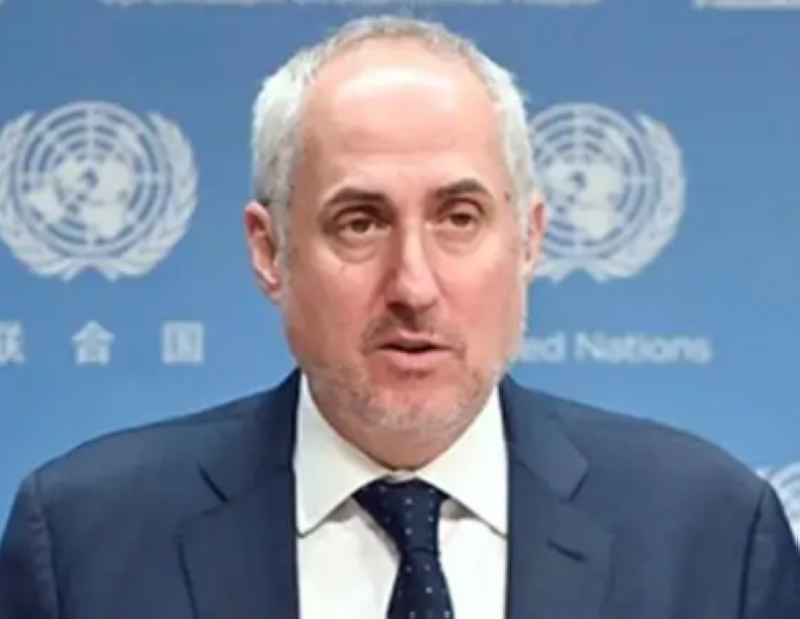

The United Nations has publicly acknowledged and welcomed a proposal from the Yemeni Presidential Leadership Council to convene a Southern Dialogue Conference in Riyadh, Saudi Arabia. This Yemen peace process development, announced by UN Spokesperson Stéphane Dujarric, aims to address ongoing political divisions within Yemen, particularly those concerning the country’s south. The move signifies a potential effort to reignite talks towards a lasting resolution to the multi-year conflict.
The call for dialogue comes amid continued instability in eastern and southern Yemen, as the nation struggles to establish a stable government following years of civil war. According to the Saudi Press Agency, Dujarric stated the UN is closely watching these developments and supports resolving disputes through inclusive discussion. The UN Special Envoy for Yemen is currently engaged in active consultations with both Yemeni and regional actors.
Advancing the Yemen Peace Process Through Southern Dialogue
The proposed Southern Dialogue Conference directly addresses a major impediment to overall peace in Yemen: internal fragmentation. For years, tensions have simmered between different factions, especially those representing the south, where separatist sentiments remain strong. The goal of the conference is to bring these various groups together to discuss their grievances and aspirations, potentially paving the way for greater unity and a more durable political settlement.
The underlying conflict in Yemen is extraordinarily complex, rooted in a power struggle between the internationally recognized government and the Houthi rebels. The Houthis, a Zaidi Shia Muslim group, seized control of the capital, Sanaa, in 2014, prompting a Saudi Arabian-led military intervention in 2015 to restore the government. This intervention, and the subsequent civil war, have created a humanitarian catastrophe.
Historical Context of Southern Yemen
Understanding the current situation requires recognizing the history of Southern Yemen. The south was a separate country, the People’s Democratic Republic of Yemen, until unification with North Yemen in 1990. However, this unification was fraught with problems, and southern grievances, including perceived marginalization and economic disparity, have continued to fuel unrest.
Prior attempts at forming a united front have consistently failed to fully integrate southern interests into national governance. The Southern Transitional Council (STC), a separatist group with significant control in Aden and other southern areas, has repeatedly clashed with the internationally recognized government, further complicating the political landscape. Their participation is considered crucial for the success of any dialogue.
The UN’s support for this conference signifies a shift in focus towards intra-Yemeni negotiation, even as efforts to mediate directly with the Houthis continue. According to UN reports, the humanitarian situation in Yemen remains one of the worst in the world, with millions facing starvation and disease. A sustained political solution is ultimately deemed essential to alleviate this suffering.
The choice of Riyadh as the conference location is also noteworthy. Saudi Arabia is a key player in the Yemeni conflict, having led the military coalition supporting the government. Hosting the dialogue in Riyadh could encourage participation from all sides, as it provides a neutral venue under Saudi auspices. However, it may also raise concerns among some southern groups about Saudi influence.
Meanwhile, the UN’s Special Envoy, Hans Grundberg, continues his efforts to secure a nationwide ceasefire. Achieving a ceasefire is seen as a vital first step towards broader political negotiations. Grundberg has been shuttling between the Yemeni government, the Houthis, and regional stakeholders, seeking common ground for a potential truce.
In contrast to the international efforts, the situation on the ground in Yemen remains volatile. Sporadic clashes continue to erupt between government forces and the Houthis, as well as between the government and the STC. These ongoing conflicts undermine stability and complicate attempts at finding a peaceful resolution. A significant aspect of the broader Yemen conflict involves regional power dynamics and proxy wars, giving it another layer of complexity.
Furthermore, the economic collapse of Yemen intensifies the need for a political settlement. The country’s infrastructure is severely damaged, its currency has plummeted, and its economy is heavily reliant on humanitarian aid. Addressing these economic challenges will require a comprehensive plan that can only be implemented with a stable and inclusive government.
The United States has also welcomed the initiative, reiterating its commitment to supporting a peaceful and prosperous Yemen. The Biden administration has appointed a special envoy for Yemen and has increased humanitarian aid to the country, signaling a renewed U.S. focus on resolving the conflict. The success of the dialogue will depend on all parties’ willingness to compromise and prioritize the needs of the Yemeni people.
Looking ahead, the immediate next step is for the Presidential Leadership Council to finalize the details of the Southern Dialogue Conference, including the date, agenda, and list of participants. Negotiations are likely to be protracted, and there is no guarantee of success. The key will be to ensure that all significant southern voices are represented and that their concerns are addressed in a meaningful way. Observers will be closely watching whether the Houthis will respond positively to the emerging efforts toward a broader peace as well.