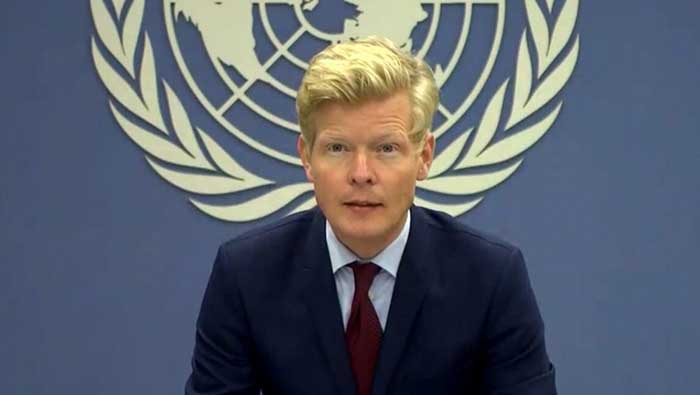

The ongoing conflict in Yemen has created one of the world’s most severe humanitarian crises. A significant step towards alleviating some of that suffering came recently with a new prisoner exchange agreement, brokered through intensive negotiations in Muscat, Oman. UN Special Envoy to Yemen, Hans Grundberg, has publicly expressed his deep appreciation for Oman’s crucial role in facilitating this vital deal, which promises the release of conflict-related detainees from all sides.
Oman’s Diplomatic Success: Facilitating a Yemen Prisoner Exchange Agreement
The Sultanate of Oman has consistently positioned itself as a neutral mediator in the complex Yemeni conflict. This latest success, culminating in a prisoner exchange agreement, underscores its commitment to peace and humanitarian principles. From December 9th to 23rd, representatives from the warring parties engaged in intensive discussions in Muscat, guided by the diplomatic efforts of Omani officials and the UN Special Envoy’s office.
The Importance of Neutral Ground
Choosing Oman as the location for these talks was deliberate. Its longstanding policy of non-interference and its established relationships with all parties involved created a conducive environment for constructive dialogue. Unlike other potential locations, Oman offered a safe and neutral space, fostering trust and allowing negotiators to focus on the core issue of detainee release. This is a critical aspect of building confidence and moving towards a more sustainable peace in Yemen.
Humanitarian Impact of the Detainee Release
The prisoner exchange agreement is not merely a political achievement; it carries profound humanitarian significance. Thousands of individuals have been detained in connection with the conflict, often held in conditions that violate international humanitarian law. Families have been left in anguish, uncertain of the fate of their loved ones. This new phase of releases offers a glimmer of hope for these families and a chance for detainees to reunite with their communities.
Hans Grundberg emphasized this point, stating that securing the agreement is “a positive and crucial step that will help alleviate the immense suffering of detainees and their families across Yemen.” The release of detainees is seen as a confidence-building measure that could pave the way for further progress in the peace process. It addresses a deeply felt humanitarian need and demonstrates a willingness to engage in good faith.
Challenges to Implementation and the Role of the UN
While the signing of the prisoner exchange agreement is a major breakthrough, its effective implementation will be far from simple. Numerous logistical and political hurdles remain. Coordination between the parties, verification of identities, and ensuring the safe transfer of detainees will require sustained effort and cooperation. Furthermore, regional support is deemed essential for the agreement to succeed.
The UN Special Envoy’s office recognizes these challenges and has reaffirmed its commitment to facilitating the implementation process. This includes providing technical assistance, monitoring compliance, and working with relevant stakeholders to address any obstacles that may arise. The office will ensure the process adheres to established humanitarian principles, prioritizing the well-being and rights of the released detainees. Yemen peace talks have often stalled due to implementation issues, making this ongoing support crucial.
The Need for Continued Engagement
Grundberg stressed that “the effective implementation of the agreement will require the sustained engagement and cooperation of the parties.” This highlights the importance of maintaining momentum and preventing a relapse into mistrust and stalled negotiations. Continued dialogue and a commitment to fulfilling the terms of the agreement are vital for ensuring its success. Conflict resolution in Yemen is a long-term process, and this agreement represents just one step along the way.
Looking Ahead: Building on the Momentum
The successful negotiation of this prisoner exchange agreement provides a valuable opportunity to build on the progress made and advance the broader peace process in Yemen. It demonstrates that, despite the deep divisions and complexities of the conflict, constructive dialogue and compromise are possible. However, it’s important to acknowledge that this is not a comprehensive solution to the crisis.
Addressing the root causes of the conflict, including political grievances, economic disparities, and regional interference, will require a more comprehensive and inclusive approach. The UN, Oman, and other international actors must continue to work together to facilitate a lasting political settlement that addresses the needs and aspirations of all Yemenis. The focus now shifts to ensuring the swift and safe release of detainees and utilizing this positive development to create a more favorable environment for further Yemen peace negotiations.
This agreement serves as a reminder of the power of diplomacy and the importance of prioritizing humanitarian concerns in conflict situations. It is a testament to Oman’s dedication to peace and a hopeful sign for the future of Yemen. To learn more about the ongoing efforts to bring peace to Yemen, please visit the UN’s website dedicated to the crisis. Your support and awareness can contribute to a brighter future for the Yemeni people.