


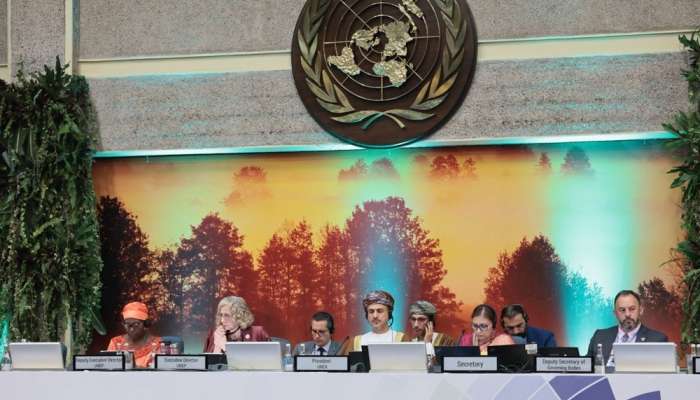

The recently concluded seventh session of the United Nations Environment Assembly (UNEA-7), held in Nairobi, Kenya, has set a new course for global environmental action. Chaired by His Excellency Dr. Abdullah bin Ali Al Amri of Oman, the assembly resulted in an ambitious ministerial declaration and a series of groundbreaking resolutions focused on tackling the planet’s most pressing environmental challenges. This pivotal meeting signals a renewed commitment to sustainable solutions and a resilient future for all.
UNEA-7: A Landmark Achievement in Environmental Governance
UNEA-7 brought together representatives from nations worldwide, alongside leading international organizations and environmental experts, to forge a unified path forward. The overarching goal was to accelerate progress towards a healthier planet, addressing the interconnected crises of climate change, biodiversity loss, and widespread pollution. The session’s success is largely attributed to the effective leadership of Dr. Al Amri and the collaborative spirit fostered throughout the week-long event.
Key Themes Driving the Agenda
Discussions at UNEA-7 revolved around three core themes. Firstly, strengthening cooperation between existing multilateral environmental agreements was identified as crucial to avoid duplication of effort and maximize impact. Secondly, the assembly emphasized the vital link between environmental resilience and social justice, recognizing that vulnerable communities are disproportionately affected by environmental degradation. Finally, participants sought to reaffirm confidence in the UN Environment Programme (UNEP) and its capacity to deliver on its strategic vision.
Oman’s Leadership and Vision at the Forefront
His Excellency Dr. Abdullah bin Ali Al Amri, as President of UNEA-7, played a central role in steering negotiations and ensuring a productive outcome. Oman’s leadership was consistently praised for its effectiveness, inclusivity, and commitment to consensus-building. Dr. Al Amri’s closing remarks underscored Oman’s deeply held belief that a harmonious relationship between humanity and nature is not only possible but essential.
He articulated that sustainability isn’t merely a modern concept, but rather a bridge connecting the wisdom of past generations with the innovations needed for the future. This perspective resonated strongly with delegates and helped to frame the discussions in a holistic and forward-looking manner. Oman’s commitment to environmental stewardship was evident throughout the assembly, influencing the direction of key resolutions.
Pioneering Resolutions for a Resilient Planet
The culmination of UNEA-7 was the adoption of several pioneering resolutions designed to address the world’s most critical environmental issues. These resolutions represent a significant step forward in global environmental policy and provide a framework for concrete action. A key focus was on enhancing international cooperation to combat climate change, recognizing the urgent need for collective efforts to reduce greenhouse gas emissions and adapt to the impacts of a warming planet.
Furthermore, the assembly addressed the alarming rate of biodiversity loss, calling for increased protection of ecosystems and endangered species. Resolutions also focused on tackling pollution in all its forms – from plastic waste to harmful chemicals – and promoting sustainable waste management practices. These resolutions aren’t simply statements of intent; they outline specific measures and targets for countries to implement.
From Declaration to Implementation: The Real Work Begins
Dr. Al Amri powerfully emphasized that the conclusion of UNEA-7 doesn’t signify the end of the process, but rather the beginning of a crucial implementation phase. He stressed that the decisions made in Nairobi must translate into tangible improvements in the health of ecosystems and the well-being of communities around the world. This requires sustained political will, adequate financial resources, and effective monitoring mechanisms.
The success of these resolutions will depend on the commitment of individual nations to integrate them into their national policies and development plans. Collaboration between governments, businesses, and civil society will be essential to achieve the ambitious goals set forth at UNEA-7. The focus now shifts to turning these commitments into real-world results.
Looking Ahead: The Future of Global Environmental Action
UNEA-7 has undoubtedly marked a significant milestone in the journey towards a more sustainable and resilient planet. The ambitious ministerial declaration and the pioneering resolutions adopted represent a renewed sense of urgency and a collective determination to address the environmental challenges facing humanity. The leadership demonstrated by Oman, particularly by Dr. Abdullah bin Ali Al Amri, was instrumental in achieving this outcome.
The path ahead will require continued collaboration, innovation, and a steadfast commitment to environmental protection. It is a call to action for all stakeholders to work together to ensure a healthy and thriving planet for present and future generations. To learn more about the outcomes of UNEA-7 and how you can contribute to a sustainable future, visit the UNEP website and explore resources on climate action, biodiversity conservation, and pollution reduction.