
Ukraine’s military reported a series of strikes against Russian targets on Monday, including an oil terminal and vessels in the Krasnodar region, as well as damage to fighter jets near Lipetsk. These attacks represent a continued escalation in Ukraine’s strategy to disrupt Russian logistics and military capabilities amid the ongoing conflict. The strikes come as Moscow maintains its offensive in eastern Ukraine, focusing on a campaign of attrition in the Donbas region. The situation highlights the persistent threat of attacks on Russian infrastructure.
According to Ukrainian officials, the strikes targeted the Tamanneftegaz oil terminal, ammunition storage facilities, and a drone launch site in both Russian and Russian-occupied Ukrainian territory. Damage was reported to a pipeline, two docks, and two ships in the Krasnodar region, resulting in a significant fire. Separately, Ukrainian partisans reportedly disabled two Russian fighter jets at an airfield near Lipetsk.
Ukraine Intensifies Strikes on Russian Territory
The recent operations are part of a broader Ukrainian effort to take the fight to Russia, aiming to degrade its ability to sustain the war in Ukraine. This strategy has evolved over time, initially focusing on defending Ukrainian territory but now increasingly incorporating strikes deeper within Russia. Ukrainian officials have not disclosed the specific weapons systems used in these attacks, but they demonstrate a growing reach and sophistication.
Russia’s Defence Ministry acknowledged intercepting multiple Ukrainian drones overnight, including three over the Krasnodar region, but downplayed the extent of the damage. However, independent verification suggests significant impact from the Ukrainian strikes. These attacks also occur as President Vladimir Putin asserts Russian military strength, a claim challenged by Ukraine’s actions.
Donbas Remains a Focal Point
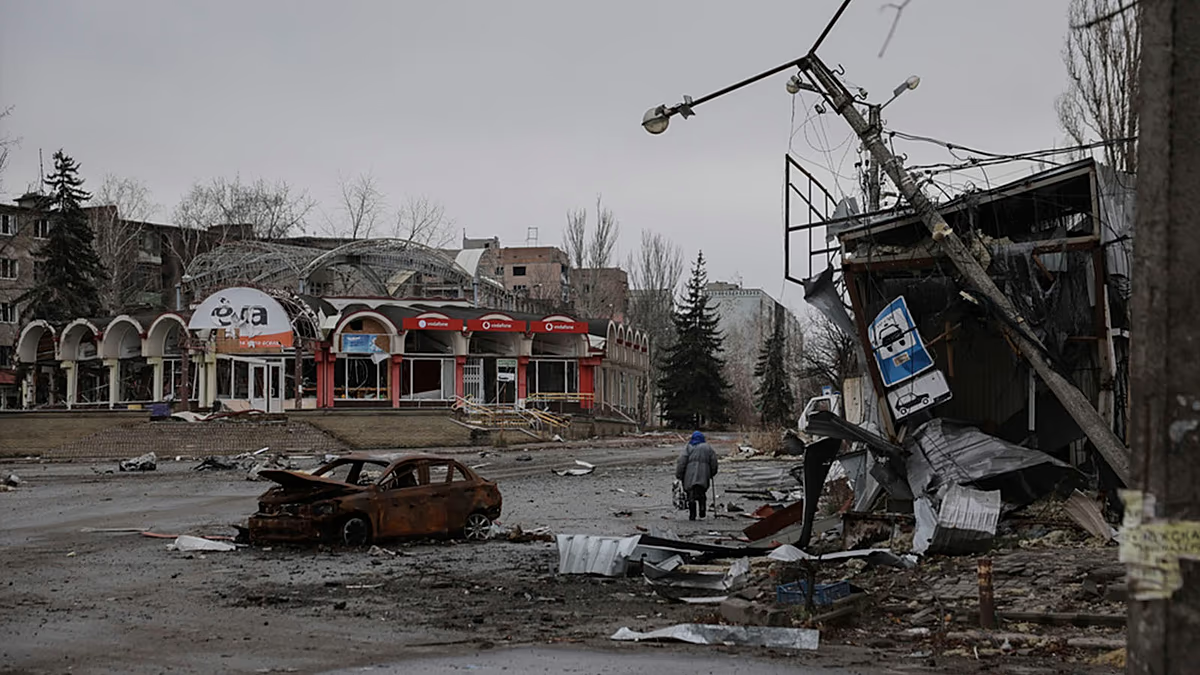
Meanwhile, Russia continues its relentless campaign of attrition in the Donbas region, specifically targeting settlements in the Donetsk and Luhansk oblasts. The Ukrainian General Staff reported 27 Russian attacks in the Kostyantynivka direction within the past 24 hours. The city of Kostyantynivka, once home to 67,000 people, now has a dwindling population of around 4,300, many of whom refuse to evacuate despite the intense fighting.
Reports from the ground indicate widespread destruction from Russian aerial bombs, forcing residents to seek shelter constantly. Ukrainian defenses have, so far, prevented a major Russian breakthrough in the area, but the sustained bombardment is taking a heavy toll on both infrastructure and civilian lives. The ongoing fighting in the Donbas underscores the complexities of the conflict and the challenges facing Ukrainian forces.
Attacks on Ukraine’s Energy Infrastructure Continue
In addition to the offensive in the Donbas, Russia has maintained its attacks on Ukraine’s energy infrastructure, a tactic Kyiv describes as “weaponising winter.” Ukraine’s Energy Ministry reported overnight attacks on energy facilities across five regions, aiming to disrupt power and heating supplies during the colder months. This strategy seeks to undermine civilian morale and potentially create pressure for negotiations.
Ukraine’s air force stated it launched 86 drones overnight, successfully intercepting 58 of them. The continued drone warfare highlights the evolving nature of the conflict and the importance of air defense systems. The attacks on energy infrastructure represent a significant escalation in Russia’s strategy, potentially leading to widespread hardship for Ukrainian civilians. The situation is further complicated by concerns about Ukraine’s economic resilience.
As the conflict nears its fourth year, the intensity of fighting shows no signs of abating. Ukraine’s recent strikes demonstrate its willingness and ability to target Russian assets, while Russia continues its efforts to gain ground in the Donbas and cripple Ukraine’s infrastructure. The coming weeks will be crucial in determining the trajectory of the war and the potential for a negotiated settlement. Stay informed about developments in the region as the situation remains highly fluid.