
The University of Doha for Science and Technology (UDST) announced the launch of three new academic programs slated to begin in Fall 2026: a Master of Science in Midwifery, an Executive Master of Health Administration, and a Diploma in Animal Health and Veterinary Science. These programs are designed to address critical workforce needs in Qatar and align with the nation’s strategic development goals. Admissions for all three programs will open in January 2026 for the 2026-2027 academic year.
The new offerings aim to bolster specialized expertise within the country’s growing healthcare and agricultural sectors. UDST’s proactive expansion of its curriculum demonstrates a commitment to providing higher education opportunities geared towards Qatar’s long-term vision. The programs were developed with input from key stakeholders and international standards, according to a university press release.
Expanding Healthcare Education: Master of Science in Midwifery
A key component of the expansion is the Master of Science in Midwifery, a first-of-its-kind graduate program in Qatar. This program will provide advanced training for registered nurses looking to specialize as professional midwives. The initiative directly responds to a documented need for highly skilled midwives within Qatar’s healthcare system, strengthening care for women and newborns.
Developed in collaboration with major health sector partners, the MSc Midwifery curriculum is designed to meet international benchmarks for midwifery education and practice. It will prepare graduates for leadership roles in advancing the quality of women’s healthcare services nationwide.
Executive Master of Health Administration
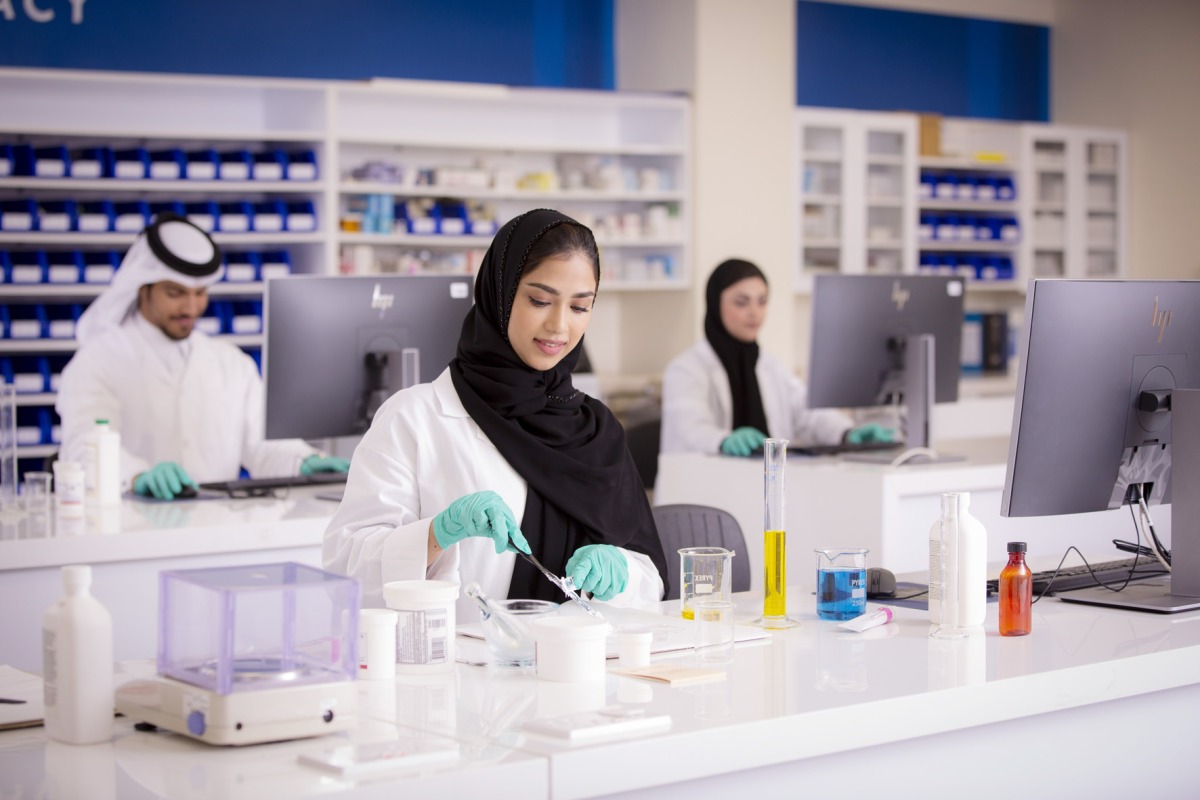
Alongside the midwifery program, UDST is introducing an Executive Master of Health Administration (EMHA). This program is specifically designed for professionals already working in the healthcare field, aiming to equip them with the skills necessary to lead and manage complex healthcare organizations. The EMHA will emphasize operational excellence, financial optimization, and digital transformation in healthcare.
The curriculum will be applied and industry-focused, involving real-world projects in collaboration with Qatar’s health sector. According to UDST, this collaborative approach ensures the program remains aligned with evolving national healthcare priorities.
Furthermore, the Diploma in Animal Health and Veterinary Science addresses a growing importance in food security and animal welfare within Qatar. This program will provide practical training in animal care, disease prevention, and veterinary support, contributing to a more sustainable agricultural ecosystem.
UDST’s President, Dr. Salem Al-Naemi, emphasized that the expansion of the academic portfolio reflects the university’s role in anticipating future skills gaps and translating national priorities into impactful educational pathways. He stated that by focusing on leadership and specialized skills, UDST is making a strategic investment in Qatar’s long-term development.
Currently, UDST offers approximately 80 programs across five colleges: Engineering and Technology, Business, Computing and Information Technology, Health Sciences, and General Education. The university has broadened its educational range to accommodate a diverse range of student aspirations and national objectives.
Applicants interested in these programs can find more information and apply online through the university’s website, www.udst.edu.qa.
Looking ahead, the successful implementation of these new programs will depend on continued collaboration with healthcare and agricultural partners. The university will likely monitor enrollment figures and program outcomes to ensure they effectively address the targeted skill shortages and contribute to Qatar’s national development goals. Further announcements regarding program specifics and faculty appointments are expected in the coming months.