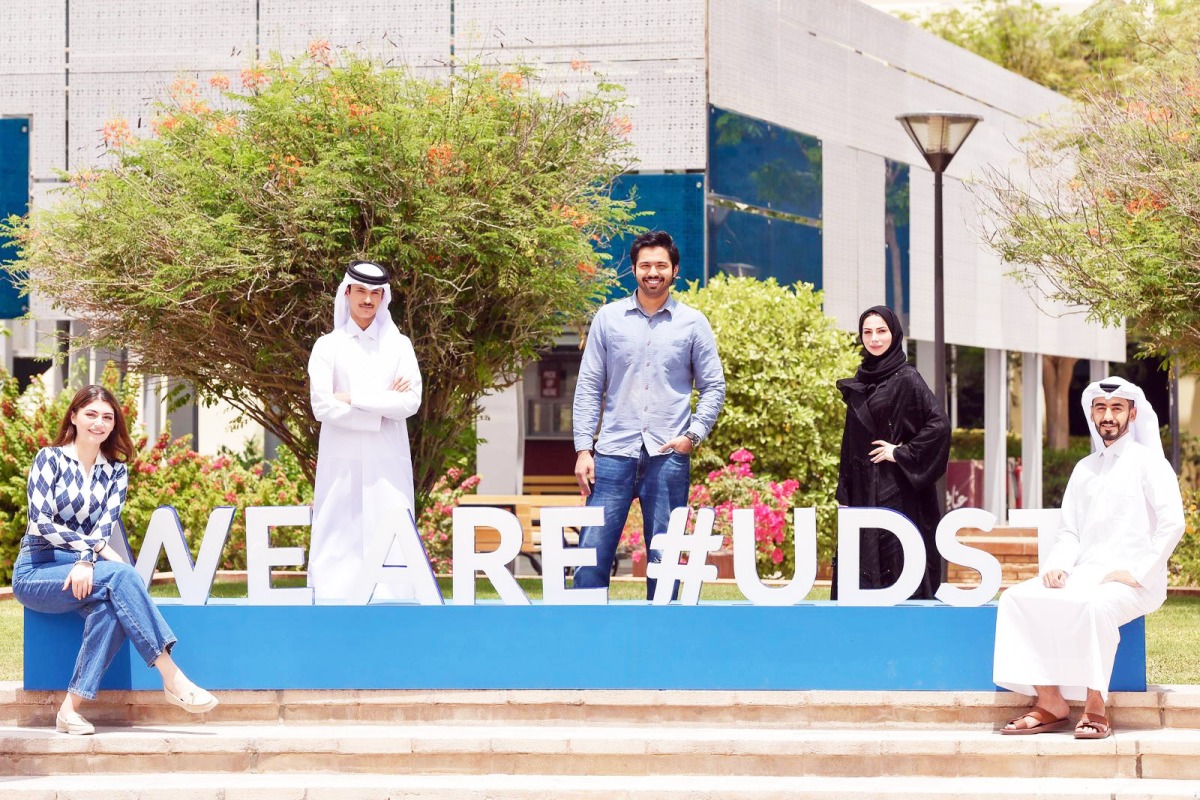

The University of Doha for Science and Technology’s (UDST) College of General Education (CGE) is undergoing a period of strategic development, aligning its programs with Qatar’s national goals and embracing digital transformation in education. The CGE serves as the foundational academic experience for all incoming UDST students, equipping them with critical skills and knowledge essential for success in their chosen fields. This focus on foundational skills is increasingly important as Qatar prioritizes STEM education and a highly skilled workforce.
According to UDST officials, the CGE is responding to the evolving needs of the employment market and national priorities through curriculum innovation, faculty development, and new academic programs. The college’s initiatives aim to prepare a new generation of educators and professionals equipped to contribute to Qatar’s economic diversification and technological advancement.
Strategic Vision for General Education at UDST
The CGE recognizes its pivotal role as the first university experience for new students. It aims to foster independent learning and provide a strong foundation across core academic disciplines. This is particularly crucial given the diverse backgrounds of incoming students, many of whom require support in transitioning to university-level study. However, this diversity also presents a unique opportunity to create a dynamic and enriching learning environment.
The college’s vision is directly linked to Qatar’s national goals, particularly the emphasis on increasing the number of graduates in Science, Technology, Engineering, and Mathematics (STEM) fields. New degree programs in Teaching STEM and STEM & TVET Education are designed to address this need, contributing to a pipeline of qualified STEM educators. The Ministry of Education and Higher Education has expressed strong support for these initiatives, including through the Tomouh Scholarship Program.
Innovation in Teaching and Digital Transformation
UDST, as an applied university, prioritizes the integration of digital technologies into its curricula. The CGE leverages adaptive learning platforms like McGraw Hill’s ALEKS and SIMnet, Pearson’s MyLab Mastering, and Cengage’s WebAssign, which utilize artificial intelligence (AI) to provide personalized feedback and learning pathways. Additionally, the college utilizes advanced infrastructure, including simulation laboratories, maker spaces, and virtual reality classrooms, to create real-world learning experiences.
Beyond simply using technology, the CGE is integrating AI into the curriculum as an object of critical inquiry. Graduate programs in STEM and TVET Education embed computational thinking and mathematical modeling, preparing educators to not only use AI tools but also to understand their implications. This approach ensures that graduates are prepared for the evolving demands of the labor market and the increasing role of technology in education.
Faculty Development and Applied Research
Continuous professional development is a key priority for CGE faculty. The college supports faculty participation in professional associations and offers programs like the Harvard-UDST Instructional Leadership Certificate Program, designed to strengthen teaching leadership skills. Meanwhile, research is considered a core component of faculty roles, with active support for securing grants from the Qatar Research, Development and Innovation (QRDI) Council.
The Applied Research Strategy of UDST encourages faculty to contribute to the university’s research agenda and address challenges relevant to Qatar’s educational environment. Research areas include factors influencing student success, perceptions of STEM subjects, and the integration of technology into teaching. The new Master’s program in STEM & TVET Education is expected to further enhance the college’s applied research capacity.
New Programs and Quality of Outcomes
In addition to its general education requirements, the CGE now houses a Department of Applied Education offering three new programs: Bachelor of Science in Teaching STEM, Master of Science in Teaching STEM, and Master of Science in STEM & TVET Education. These programs are aligned with the Qatar National Qualifications Framework and the Qatar National Professional Standards for Teachers, ensuring relevance and quality.
The CGE measures graduate quality through rigorous coursework, practical experiences, and alignment with national standards. A key focus is on developing core soft skills, such as critical thinking, creativity, problem-solving, and communication, to ensure graduates are well-prepared for the teaching profession. Practical experience is integrated through teaching observations, co-teaching opportunities, and a culminating teaching practicum, facilitated through partnerships with local schools.
Looking ahead, the CGE will continue to refine its programs and expand its research initiatives. The success of the new teacher education programs will be a key indicator of the college’s impact on Qatar’s educational landscape. Further developments in AI integration and faculty development are also expected, as UDST strives to meet the evolving needs of the nation’s workforce and educational system. The ongoing collaboration with the Ministry of Education and Higher Education will be crucial in shaping future policies and ensuring the continued relevance of the CGE’s offerings.