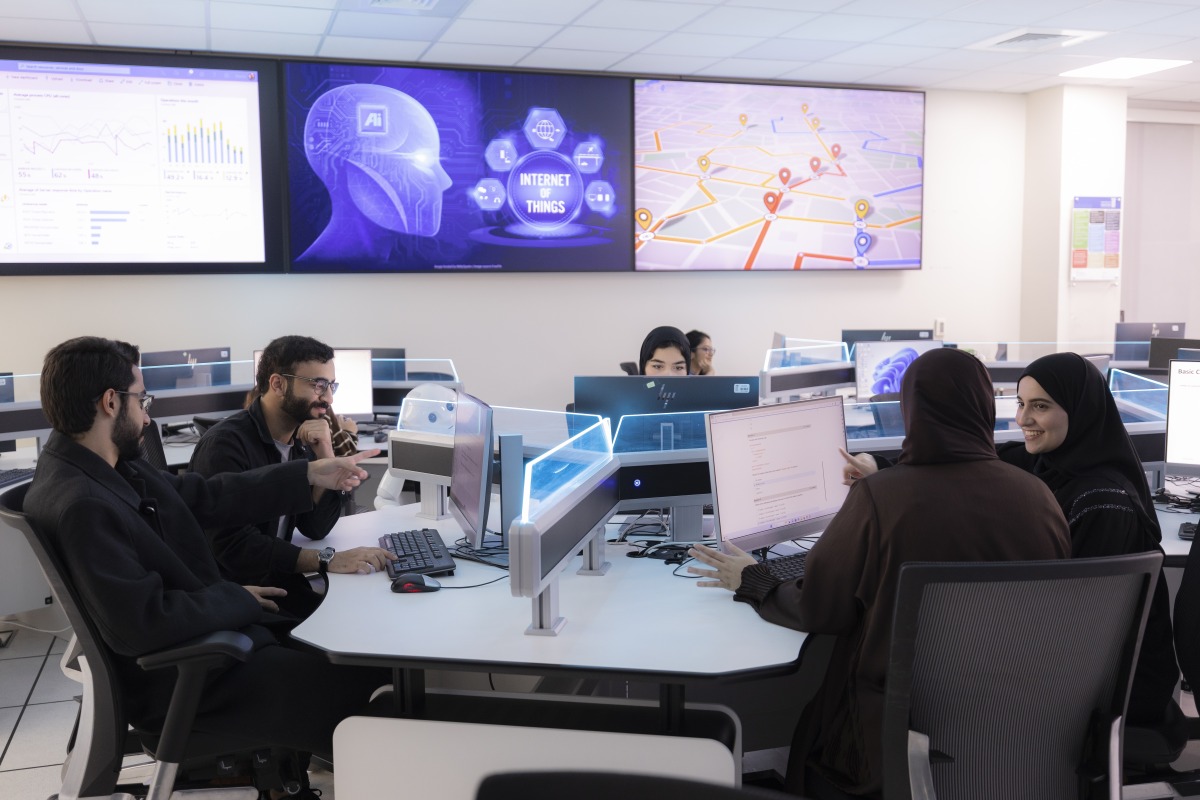

The University of Doha for Science and Technology (UDST) has achieved full accreditation from the Canadian Information Processing Society (CIPS) for its Diploma in Information Technology (Dip IT) and Diploma in Information Systems (Dip. IS) programs. This recognition, announced this week, validates the quality and relevance of UDST’s technology-focused education and positions its graduates for success in Qatar’s growing digital economy. The accreditation applies to programs offered through the College of Computing and Information Technology (CCIT).
Located in Doha, Qatar, UDST’s newly accredited diplomas join a growing number of programs at the university meeting international standards. This achievement underscores UDST’s commitment to providing applied, skills-based education aligned with the needs of the Qatari labor market, particularly in the fields of digital skills and technology.
UDST’s Information Technology Programs Receive International Validation
The CIPS accreditation process is rigorous, evaluating programs based on academic content, curriculum design, and industry relevance. According to UDST officials, the accreditation confirms that the Dip IT and Dip. IS programs meet internationally recognized benchmarks for quality. This is particularly significant as Qatar continues to invest heavily in its digital infrastructure and seeks to diversify its economy.
Meeting Qatar’s Demand for Skilled Professionals
Qatar’s National Vision 2030 prioritizes the development of a knowledge-based economy, requiring a skilled workforce proficient in areas like information systems, cybersecurity, and software engineering. UDST’s programs are specifically designed to address this demand. The university has been expanding its offerings in specialized areas such as artificial intelligence and digital communication to further support national goals.
The accreditation also provides tangible benefits to students. Graduates of the accredited programs will be eligible for CIPS membership, enhancing their professional credentials and increasing their competitiveness when seeking employment. This membership offers access to professional development resources and networking opportunities.
However, the need for skilled IT professionals extends beyond initial employment. Continuous learning and upskilling are crucial in the rapidly evolving technology landscape. UDST’s commitment to aligning its curriculum with industry needs suggests a focus on preparing graduates for lifelong learning.
Dr. Salem Al-Naemi, President of UDST, emphasized the importance of this achievement. He stated that the accreditation “reaffirms the quality of our applied education in technology fields” and demonstrates the university’s ability to prepare graduates for Qatar’s innovation-driven digital economy. He further noted UDST’s dedication to supporting national human development efforts.
Meanwhile, UDST acknowledges the collaborative effort required to achieve accreditation. The university expressed gratitude to its faculty, staff, and strategic partners for their contributions to the process. This highlights the importance of partnerships between educational institutions and industry in ensuring program relevance.
In contrast to traditional academic models, UDST focuses on applied learning, bridging the gap between theory and practice. This approach is designed to equip students with the practical skills employers seek. The CIPS accreditation validates this approach and reinforces UDST’s position as a leading applied university in Qatar.
Looking ahead, UDST is expected to continue pursuing accreditation for additional programs within the College of Computing and Information Technology. The university will also likely strengthen its collaborations with industry partners to ensure its curriculum remains responsive to evolving market demands. The timeline for further program accreditations remains uncertain, but UDST’s commitment to quality assurance suggests continued progress in this area. Monitoring the expansion of accredited programs and industry partnerships will be key indicators of UDST’s ongoing success.