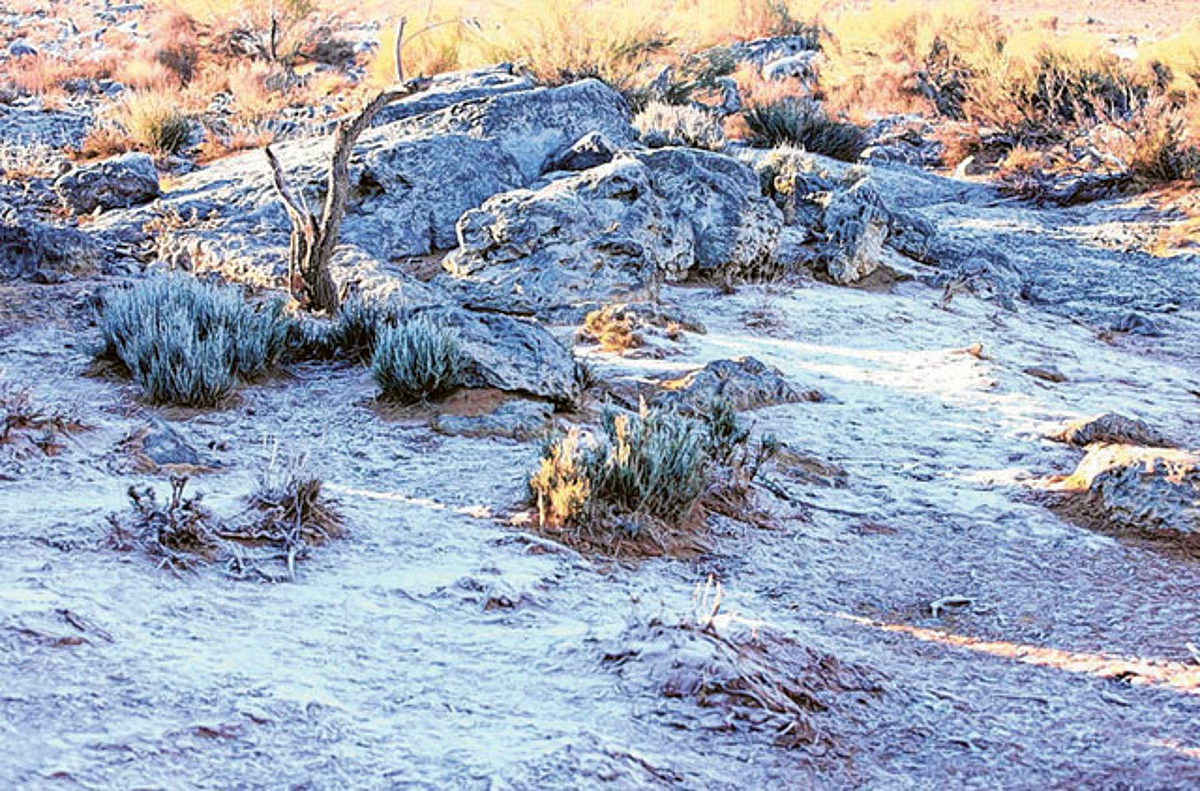

As temperatures plummet across the Gulf region, health officials are issuing warnings about the risks of cold weather exposure. The period known locally as Al Shabt, often described as a time when even the desert fox seeks shelter, brings a sharp contrast to the region’s typically scorching heat and poses unique health challenges, particularly for vulnerable populations. Doctors are emphasizing preventative measures to mitigate potential complications.
The sudden shift in climate can be particularly dangerous as infrastructure and daily routines in Gulf countries are not generally geared towards coping with prolonged cold. Experts at Medcare Medical Centre and International Modern Hospital Dubai are advising residents to take proactive steps to protect themselves and their families from the adverse effects of the cooler temperatures.
Understanding the Risks of Cold Weather in the Gulf
While the Gulf region is known for its extreme heat, the rapid temperature drops during Al Shabt can be surprisingly impactful. According to Dr. Itedal Albani of Medcare Medical Centre, the body can struggle to adjust quickly, leading to a range of health issues. This is compounded by the fact that many homes lack adequate insulation for colder conditions.
Several groups are considered especially vulnerable during this period. Dr. Renuka Ramasamy, a specialist in Family Medicine at International Modern Hospital Dubai, identifies the elderly, infants, young children, individuals with chronic illnesses like asthma, heart disease, and diabetes, pregnant women, and outdoor workers as being at heightened risk. Additionally, those with compromised immune systems and individuals experiencing socioeconomic hardship are also more susceptible to health problems.
Why are these groups more vulnerable?
Older adults may experience a diminished ability to perceive cold temperatures, increasing the likelihood of hypothermia or other cold-related illnesses. Children, with their faster metabolic rates and developing immune systems, lose heat more rapidly and are more prone to respiratory infections. People with pre-existing health conditions may find their symptoms exacerbated by cold exposure, potentially leading to serious complications, as Dr. Albani explains.
Outdoor workers face a dual challenge, enduring both the summer heat and the winter cold. Their prolonged exposure to the elements, often combined with physically demanding labor, increases their risk of developing cold-related illnesses. Low-income individuals and those with inadequate housing may also lack the resources to adequately protect themselves from the cold.
Essential Health Precautions During Al Shabt
Protecting oneself from the cold extends beyond simply wearing warm clothing. Dr. Ramasamy stresses the importance of limiting outdoor exposure, particularly during the night and early morning hours. Avoiding strenuous outdoor exercise during this time is also recommended.
Maintaining a strong immune system is crucial. Doctors advise consuming warm beverages, eating a balanced diet rich in vitamins and nutrients, and prioritizing sufficient sleep. These measures can help bolster the body’s defenses against the increased prevalence of respiratory illnesses during the colder months.
Safe driving practices are also paramount. Cold weather can contribute to fog and slippery road conditions, reducing visibility and increasing the risk of accidents. Dr. Ramasamy recommends driving slowly, using headlights, and maintaining a safe following distance. The potential for winter fog is a significant concern for motorists.
Preventing the spread of respiratory diseases, such as influenza, the common cold, and pneumonia, is a top priority. Wearing masks in crowded indoor spaces, practicing good hand hygiene, and avoiding close contact with sick individuals are all effective strategies. The increased incidence of respiratory infections during this season necessitates these precautions.
Protecting Children from the Cold
Children require specific attention during Al Shabt due to their increased vulnerability. Dr. Albani recommends dressing children in multiple layers of clothing to trap heat and allow for adjustments as needed. Encouraging them to eat nutritious meals and drink plenty of fluids is also essential. Keeping children home from school or daycare if they exhibit even mild symptoms of illness can help prevent the spread of infection.
For younger children, Dr. Ramasamy advises ensuring they are well-wrapped, with attention paid to keeping their heads, hands, and feet warm. Avoiding direct exposure to cold air is also crucial. Children with asthma or other respiratory conditions should have their prescribed inhalers readily available, and outdoor exercise should be avoided to minimize the risk of triggering an attack.
Health authorities are continuing to monitor weather patterns and disease incidence rates throughout the Al Shabt season. Further guidance may be issued depending on the severity of the cold and the prevalence of respiratory illnesses. Residents are encouraged to stay informed through official channels and to heed the advice of medical professionals to ensure their safety and well-being.