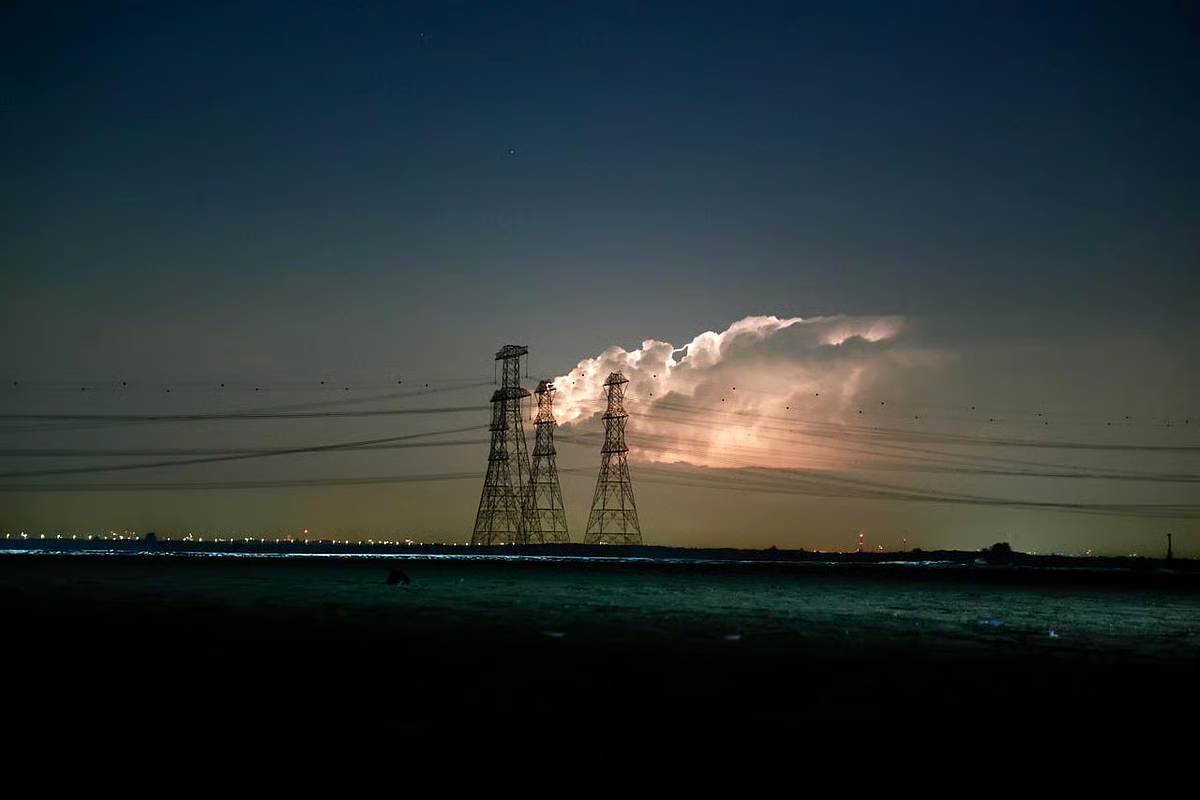

The United Arab Emirates is currently experiencing unusually heavy rainfall, prompting safety alerts and advisories across multiple regions. A complex meteorological system, combining surface and upper-air low-pressure areas, is responsible for the sustained precipitation that began earlier this week. Authorities are urging residents to exercise caution as the inclement weather is expected to continue through December 19th.
The affected areas include coastal cities and inland regions throughout the Emirates, with particularly strong impacts reported along the Arabian Gulf coastline. Yellow and orange weather warnings are in effect, indicating potential hazards from flooding and rough seas. The National Center of Meteorology (NCM) is providing regular updates to the public regarding the evolving situation.
Understanding the Current Rainfall Event
The current weather pattern is characterized by a surface low-pressure system interacting with an extension of a low-pressure area in the upper atmosphere. According to meteorological experts, this combination creates ideal conditions for prolonged and widespread precipitation. This is a relatively uncommon setup for the UAE, which typically experiences arid conditions.
Formation of the Low-Pressure Systems
Low-pressure systems form when air rises, cools, and condenses, leading to cloud formation and precipitation. The interaction between the surface and upper-air systems is intensifying this process, drawing moisture from surrounding areas and concentrating it over the Emirates. The NCM reports that the systems are drawing in humidity from both the Arabian Sea and the Red Sea.
Impact of Geographic Factors
The UAE’s geographic location, bordering both the Arabian Gulf and the Gulf of Oman, makes it susceptible to moisture influx from these bodies of water. Additionally, the Hajar Mountains can contribute to orographic lift, further enhancing rainfall in certain areas. This means air is forced upwards over the mountains, cooling and condensing to form clouds.
Safety Warnings and Precautions
Weather authorities have issued yellow and orange alerts, signaling varying degrees of risk. Yellow alerts indicate a potential for hazardous weather, urging residents to be aware and prepared. Orange alerts signify a higher level of risk, requiring increased vigilance and caution. These warnings are valid until December 19th, according to the NCM.
Residents are advised to avoid unnecessary outdoor activities during periods of heavy rainfall. Those who must venture outside should carry appropriate rain gear and be mindful of potential flooding in low-lying areas. The Ministry of Interior is urging drivers to exercise extreme caution on the roads, reducing speed and increasing following distances.
Marine and Coastal Safety
The Arabian Gulf is experiencing significantly rough sea conditions, with waves reaching considerable heights. Maritime authorities strongly recommend against beach visits and discourage all marine activities. Small craft are advised to remain docked, and larger vessels should exercise extreme caution. The report indicates that these conditions pose a serious risk to swimmers and boaters.
Flood Risk and Preparedness
Heavy rainfall increases the risk of flash floods, particularly in wadis and desert areas. Residents living near wadis should be especially vigilant and prepared to evacuate if necessary. Local authorities are monitoring water levels and deploying resources to mitigate potential flooding. The UAE government has invested in improved drainage infrastructure in recent years to address this risk.
Broader Implications and Regional Weather Patterns
This period of sustained rainfall is unusual for the UAE, but it is not entirely unprecedented. Similar, though less intense, events have occurred in recent years, potentially linked to broader shifts in regional weather patterns. Some climate scientists suggest that changing sea surface temperatures and atmospheric circulation patterns may be contributing to increased precipitation variability in the region.
However, attributing specific events solely to climate change requires further research. The current weather system is primarily driven by the interaction of short-term meteorological factors. Nevertheless, the increased frequency of extreme weather events globally underscores the importance of climate resilience and adaptation strategies. The UAE is actively investing in water management and climate change mitigation initiatives.
Looking ahead, the NCM forecasts that the low-pressure systems will gradually weaken after December 19th, leading to a gradual improvement in weather conditions. However, the possibility of scattered showers remains. Residents are encouraged to continue monitoring official weather updates and heed the advice of authorities. The long-term trajectory of these systems and their potential impact on regional climate patterns will continue to be closely observed.