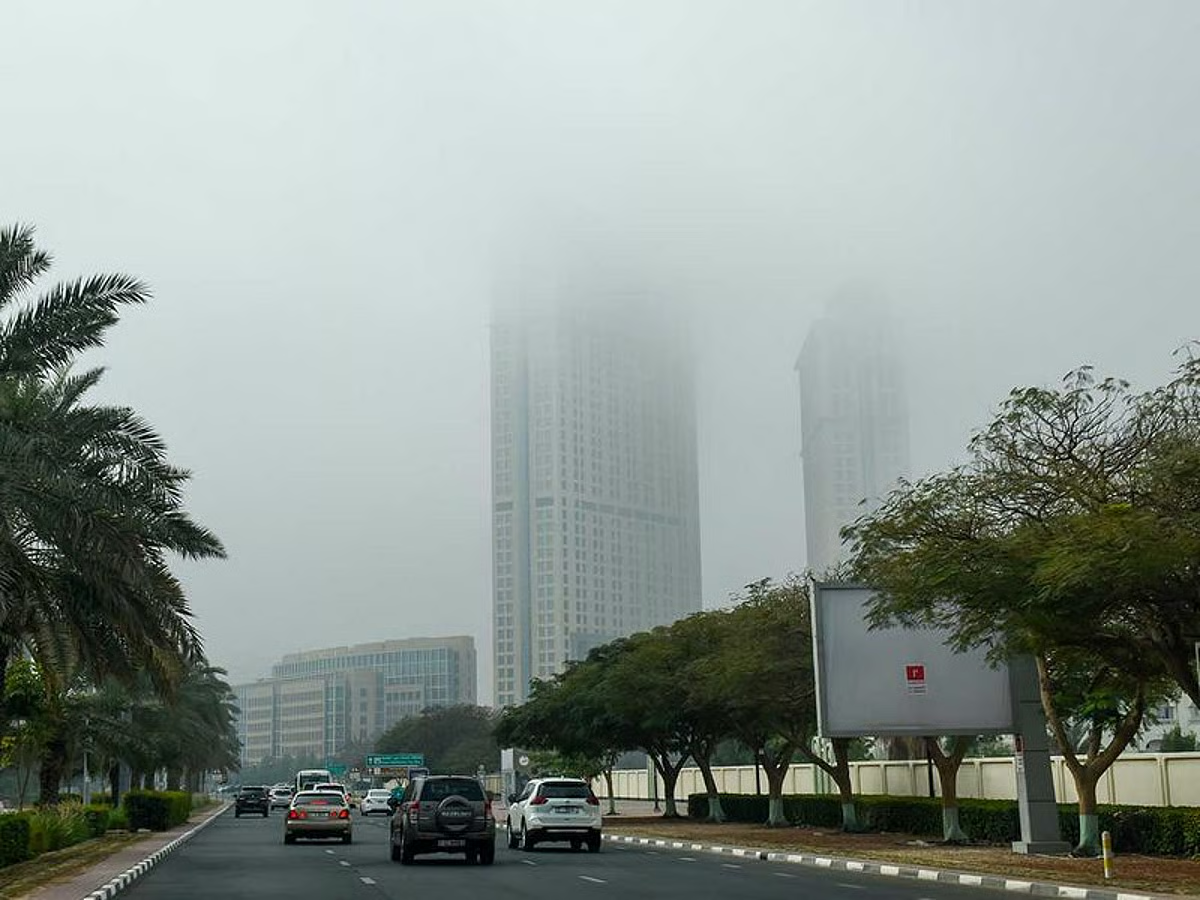

Residents across the United Arab Emirates can anticipate a shift in weather conditions on Tuesday, with forecasts predicting widespread fog and light rainfall. The National Center of Meteorology (NCM) has issued advisories for reduced visibility in several areas, particularly during the early morning and late night hours. This weather pattern represents a change from the recent relatively dry conditions experienced throughout much of the country.
The affected regions primarily include coastal areas and inland locations, stretching from the western Al Dhafra region to the eastern Al Ain city and encompassing major urban centers like Dubai and Abu Dhabi. The fog is expected to begin forming after midnight, becoming dense in places before gradually dissipating as temperatures rise during the day. Light rain is also likely, adding to the generally damp and potentially hazardous conditions.
Understanding the UAE Fog and Rain Forecast
The current weather situation stems from a combination of factors. A high-pressure system over the Arabian Peninsula is drawing in moisture from the Arabian Gulf and the Sea of Oman. This increased humidity, coupled with cooler temperatures during the night, creates ideal conditions for fog formation.
How Fog Forms in the UAE
Fog typically forms when water vapor condenses into tiny liquid water droplets suspended in the air. This condensation occurs most readily when the air is cooled to its dew point. In the UAE, this process is accelerated by the seasonal cooling of the land and the humidity brought in by prevailing winds.
Additionally, the NCM reports a southeasterly wind flow contributing to the moisture levels. This wind direction is relatively common during the transition from warmer to cooler months and is a key element in predicting these kinds of weather events. The interaction between this flow and local geographical features, such as valleys and oasis areas, also influences where the fog and rain will be most concentrated.
The light rain anticipated is not expected to be heavy or prolonged. However, even a small amount of precipitation can significantly impact traffic and outdoor activities. The report indicates that the rainfall will likely be scattered and intermittent, rather than a consistent downpour.
The likelihood of rain and fog affects several sectors. The aviation industry is particularly sensitive, and flight delays or cancellations are possible at major airports like Dubai International (DXB) and Abu Dhabi International (AUH). Travelers should check with their airlines for the latest updates before heading to the airport.
Road transport is also expected to be impacted. Authorities are urging motorists to exercise extreme caution while driving, reducing speed and maintaining a safe distance from other vehicles. The use of low beam headlights and fog lights is strongly recommended to enhance visibility. The police are increasing patrols on major highways to assist drivers and respond to any incidents.
In contrast to the relatively calm conditions expected during the day, the NCM emphasizes that the most significant disruptions will be during the nighttime and early morning hours, when visibility can be reduced to less than 1000 meters in some areas. This reduced visibility poses a substantial risk to both drivers and pedestrians.
The marine environment is also affected. Small boats and recreational watercraft are advised to stay ashore, as the combination of fog and potentially choppy waters can create hazardous conditions for navigation. The sea state is expected to be moderate to rough, especially in areas affected by the southeasterly winds.
The UAE frequently experiences similar weather patterns during the cooler months, typically between November and March. These conditions are a result of the country’s geographic location and the seasonal changes in air mass movement. Forecasters consistently monitor these patterns to provide timely warnings and ensure public safety. Temperatures will remain relatively mild, ranging from the low 20s to the low 30s Celsius, even with the increased moisture.
The potential for increased humidity also raises concerns about air quality. Individuals with respiratory conditions, such as asthma, are advised to take necessary precautions and stay indoors if possible, particularly during periods of dense fog. The Ministry of Health is monitoring air quality indices and will issue further guidance if required. Visibility is expected to be a key concern.
Looking ahead, the NCM indicates that the foggy conditions and light showers are likely to persist through Wednesday morning, gradually improving as the southeasterly wind shifts. However, the possibility of renewed fog formation remains, particularly in inland areas. Residents should continue to monitor weather updates from official sources and remain vigilant about changing conditions. The extended forecast suggests a return to clearer skies by the weekend, but the exact timing and intensity of this change remain uncertain.
The situation will be closely monitored by meteorological services and relevant authorities throughout the week. Updates will be provided as new information becomes available. It is crucial for the public to stay informed and adhere to safety guidelines issued by the authorities to minimize any potential risks associated with the adverse weather.