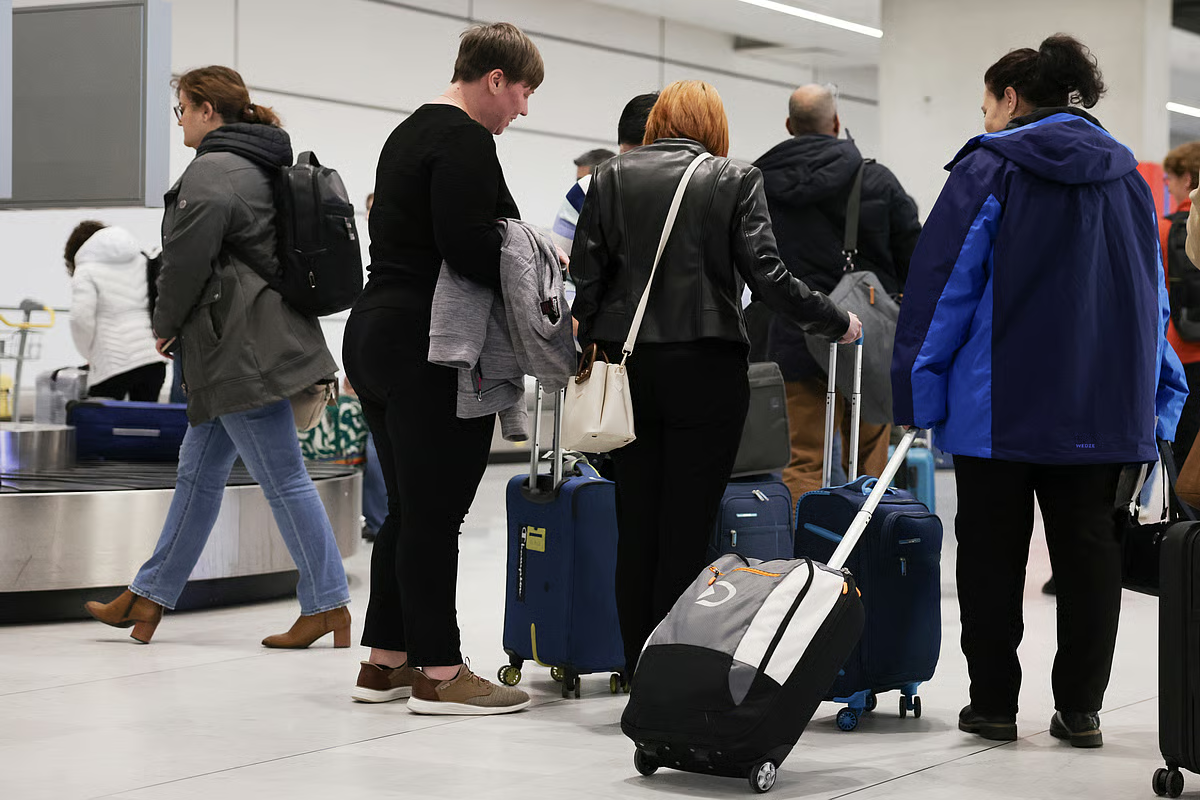

Travel from the UAE is experiencing a significant shift, with sustained demand throughout the year and increasing pressure on travellers to book flights and accommodation further in advance. This evolving landscape is fundamentally altering how individuals and corporate travel departments approach travel budgeting, moving beyond simply finding the lowest prices to proactively managing potential disruptions and costs. The trend is driven by a combination of factors, including a robust economy and increased global connectivity for UAE residents.
Traditionally, travel demand fluctuated with clear peak and off-peak seasons. However, recent data indicates a more consistent level of mobility, impacting pricing and availability. Both short-haul and long-haul routes are seeing fares rise earlier in the booking window, forcing travellers to commit sooner or risk significantly higher costs. This change is particularly noticeable for popular destinations and during major events.
The Rising Importance of Visas in Travel Budgets
Visa processing times are no longer a minor consideration but a central component of travel planning and financial forecasting. Delays in securing visas, particularly for the United States, are a major pain point for UAE residents, according to reports from travel agencies and visa facilitation services. These backlogs are forcing travellers to initiate applications months, even up to a year, before their intended departure date.
The uncertainty surrounding visa approvals is prompting a new approach to financial planning. Travellers are increasingly incorporating “visa-risk buffers” into their budgets to cover potential rebooking fees, expedited document services, or the cost of shifting travel dates. Data from Visarun.ai highlights the variability in appointment wait times, reinforcing the need for this proactive financial strategy.
Key Destinations Shaping 2026 Travel Trends
Analysis of current booking patterns and internal data suggests a concentration of outbound travel from the UAE towards specific destinations in 2026. India remains the dominant market, accounting for 14-16% of outbound trips, fueled by strong trade ties and a large expatriate population. Saudi Arabia is also experiencing significant growth, with frequent flights between Dubai and Riyadh catering to business and government travellers (12-14%).
China is emerging as a key destination for business travellers (10-12%), reflecting the UAE’s growing economic relationship with Asia. Within Europe, Germany is the most popular choice (12.6% of Schengen travel), despite ongoing challenges with visa appointments. Long-haul demand remains strong for the United States (8-10%) and the United Kingdom (6-8%), driven by investment, education, and family connections. Additionally, growth markets like Japan, Egypt, and Turkey (3-5% each) are gaining traction, with Latin American routes, particularly to Brazil, showing promising expansion exceeding 40%.
Practical Tips for Effective Travel Budgeting
To navigate this complex travel landscape, experienced travellers and corporate mobility teams are adopting more sophisticated budgeting strategies. These strategies prioritize flexibility and risk mitigation.
- Prioritize Dates, Then Logistics: Begin by establishing firm travel dates, then work backward to plan document preparation, visa submissions, and potential interview schedules. Allow ample padding beyond official processing times, especially for destinations known for congestion.
- Segment Your Budget: Clearly separate expenses into distinct categories: visa costs and buffers, flights (including potential change fees), accommodation with cancellation options, and a contingency reserve.
- Allocate a Visa-Risk Buffer: Set aside several hundred dollars per person to cover unexpected costs related to visa delays or complications.
- Embrace Flexibility: Opt for flexible fares and cancellable hotel bookings, even if they cost more upfront, to protect against larger losses if visa approvals are delayed.
- Confirm Consular Appointments First: Delay major ticket purchases until a visa interview appointment is confirmed.
- Monitor Real-Time Updates: Utilize appointment availability tools and track airline capacity changes to inform your booking decisions.
How These Changes Manifest in Real-World Scenarios
Consider a business trip to Munich in September. Travellers are now often securing Schengen visa appointments months in advance, followed by purchasing refundable airfares until the visa is approved. For a family holiday to New York in November, the process may involve applying for a US visa early in the year and gradually adding hotel and flight bookings as the interview date approaches.
Even for relatively straightforward destinations like India, where visa friction is lower for many UAE residents, travellers are still booking flights early but maintaining smaller change reserves to accommodate potential airline schedule adjustments. This proactive approach is becoming the norm.
The current trends indicate that the demand for travel from the UAE will remain robust, with continued growth in established markets and emerging destinations. The biggest uncertainty remains visa processing times and potential geopolitical events. Travellers should continue to monitor visa appointment availability and airline capacity, and remain prepared to adjust their plans accordingly. The Ministry of Foreign Affairs in the UAE is continually working to negotiate visa facilitation agreements, but significant improvements are not expected in the immediate future.