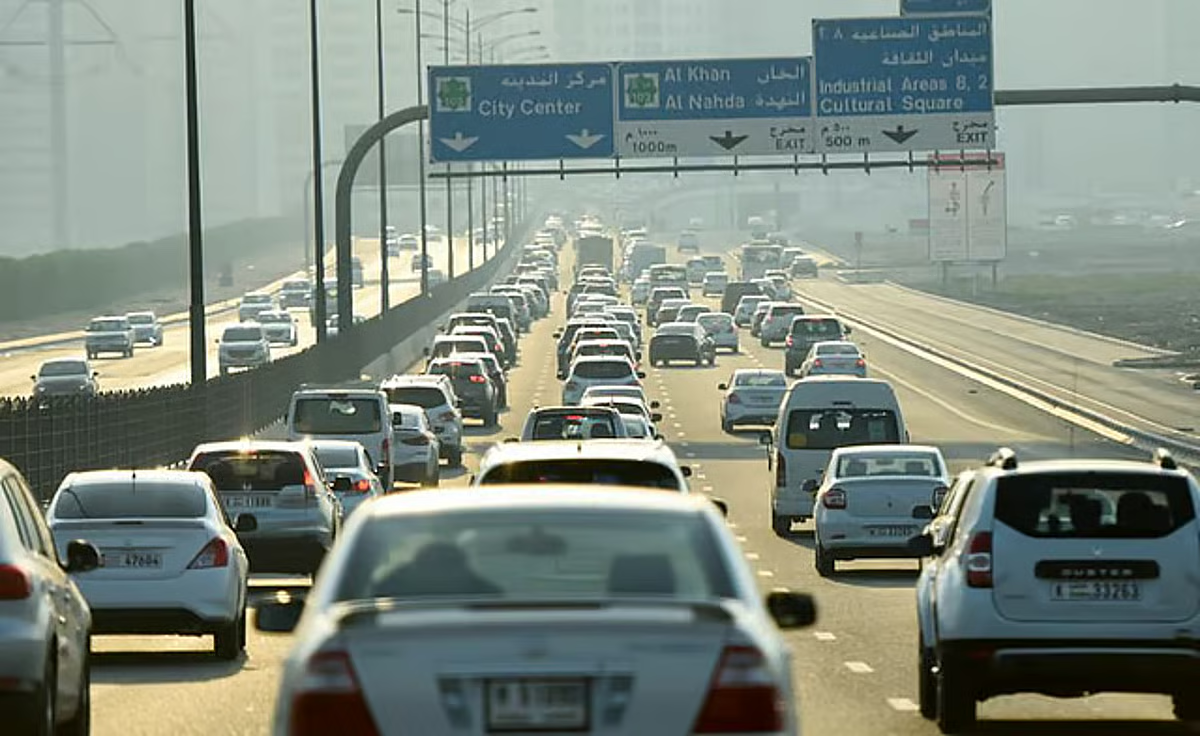

Dubai commuters should prepare for potential disruptions as significant traffic delays are expected on several key routes throughout the city starting today, November 8, 2023. Road maintenance and infrastructure projects, coupled with increased seasonal tourism and events, are contributing to the congestion. Authorities are advising residents to plan their journeys accordingly and utilize public transportation where feasible to mitigate travel time impacts.
The Roads and Transport Authority (RTA) has announced ongoing works on Sheikh Zayed Road, Al Khail Road, and major intersections across Dubai, warning of lane closures and reduced speed limits. These disruptions are expected to persist for at least the next several weeks, potentially extending into the peak holiday season. The RTA is actively updating its traffic management systems and providing real-time information to drivers through its channels.
Understanding the Current Traffic Situation in Dubai
The recent surge in traffic delays isn’t solely attributable to planned roadworks. Dubai has experienced a notable increase in tourist arrivals in recent months, spurred by events like the Dubai Airshow and favorable weather conditions. This influx of visitors translates to more vehicles on the roads, especially during peak hours and around popular attractions.
Additionally, the overall growth of Dubai’s population and economy continues to put strain on existing infrastructure. While the RTA has consistently invested in expanding the road network and improving public transport, keeping pace with the rapid development remains a challenge. The current projects aim to address long-term capacity issues and enhance the efficiency of the city’s roadways.
Specific Routes and Affected Areas
Sheikh Zayed Road, the major artery running through Dubai, is experiencing consistent congestion due to ongoing bridge repairs and expansion projects near the Dubai Marina and Jebel Ali areas. Motorists should expect slowdowns, particularly during morning and evening rush hours. The RTA recommends utilizing alternative routes such as Al Wasl Road and Jumeirah Beach Road where possible when traveling north-south.
Significant disruptions are also anticipated on Al Khail Road, specifically around the Business Bay and Dubai Hills areas. Works related to the Dubai Hills Mall expansion and interchange improvements are causing lane closures and ramp diversions. According to the RTA, these projects are crucial for improving access to newly developed residential and commercial areas.
Furthermore, delays are being reported on several major intersections, including those on Mohammed bin Rashid Boulevard and Hessa Street. These disruptions are often caused by localized utility works or signal upgrades. The delays around these intersections can cause ripple effects throughout the network, impacting journeys in surrounding areas.
Impact on Daily Commute and Logistics
The increased traffic delays are significantly impacting daily commutes for residents and workers in Dubai. Travel times are longer, and drivers are facing increased stress levels. Many companies are reporting difficulties in maintaining efficient logistics operations, with delivery schedules being affected by congestion.
The public bus system is seeing increased ridership, but it is also experiencing some disruptions due to the roadworks. Metro and tram services remain largely unaffected, and are heavily promoted by the RTA as a preferred option during peak times. The Dubai Metro, in particular, offers a streamlined alternative for travel along key corridors.
Real estate professionals suggest the challenges may also influence decisions about where people choose to live and work. Proximity to metro stations and efficient road networks are likely to become even more important factors in future property investments. The demand for residential areas with good transport links is expected to grow.
Mitigation Strategies and Alternative Transportation
The RTA is employing several strategies to mitigate the impact of the traffic delays. These include optimizing traffic signal timings, deploying additional traffic management personnel, and providing real-time traffic updates via its app and social media channels. The authority urges drivers to adhere to posted speed limits and follow diversion signs.
However, relying on individual driving behavior alone isn’t sufficient. The RTA is actively encouraging commuters to utilize public transportation options. Dubai’s public transport network, including the metro, tram, and buses, is extensive and offers a convenient and cost-effective alternative to driving.
Leveraging Technology for Smarter Travel
Beyond public transport, several navigation applications, like Google Maps and Waze, provide real-time traffic information and alternative route suggestions. Utilizing these tools can help drivers avoid congested areas and make more informed decisions about their journeys. The effectiveness of these apps depends on collaborative user reporting.
Furthermore, considering staggered work hours, where feasible, could help distribute peak traffic demand more evenly throughout the day. Some companies are exploring remote work options to reduce the number of commuters on the road. These solutions demonstrate a move towards more flexible work arrangements.
The Dubai Police are also increasing patrols in affected areas to enforce traffic regulations and ensure smooth flow of traffic. They are focused on addressing reckless driving behaviors that contribute to congestion and accidents. Maintaining safe road practices is critical during periods of increased traffic.
The RTA anticipates completing the majority of the ongoing road projects by the end of the first quarter of 2024. However, this timeline is subject to change depending on weather conditions and the complexity of the works. Continued monitoring of the RTA’s official announcements is crucial. Further assessments will be conducted throughout the remainder of the year, and adjustments made as necessary to manage the ongoing traffic congestion and optimize the network. Ongoing efforts to enhance the existing infrastructure, and plan for expansion are expected.