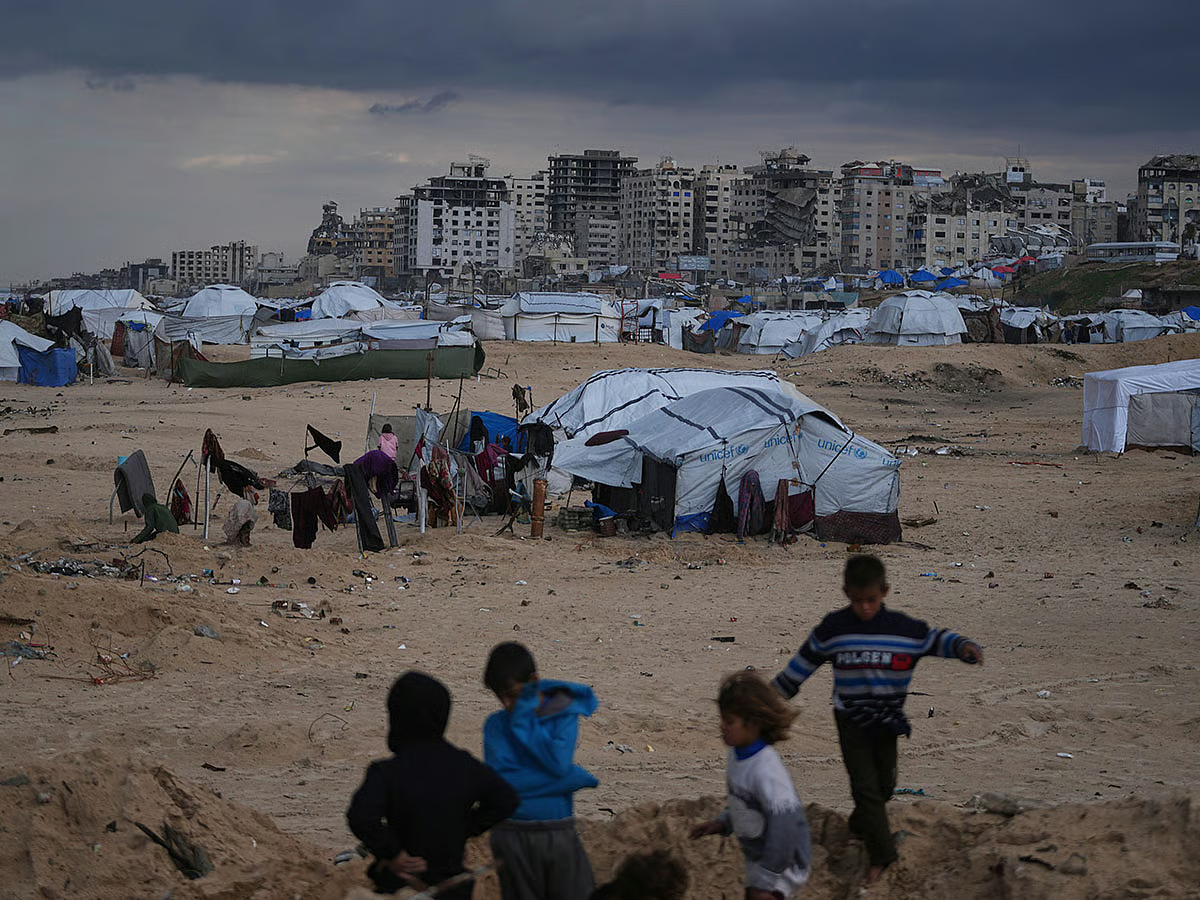

The United Arab Emirates (UAE) has significantly increased its humanitarian aid to the Gaza Strip following a recent period of severe weather. The operation, conducted over the past several weeks, delivered over 11,000 items including shelter, winter clothing, and essential supplies to families displaced by ongoing conflict and impacted by the harsh winter conditions. This Gaza aid effort underscores the UAE’s commitment to supporting the Palestinian population during a time of heightened vulnerability.
Specifically, the UAE aid convoy distributed 1,189 shelter tents, 4,280 winter jackets, and 538 comprehensive relief kits. These kits contained vital necessities for families who have lost their homes or access to basic resources. Additionally, 5,012 winter clothing parcels and 1,403 blankets were provided, addressing the immediate needs of those facing cold temperatures and displacement.
The Context of Increased Gaza Aid
The recent surge in assistance comes amidst a complex humanitarian situation in Gaza. Years of conflict, coupled with restrictions on movement and access, have created significant challenges for the civilian population. The United Nations Relief and Works Agency for Palestine Refugees in the Near East (UNRWA) has repeatedly warned of dwindling resources and the urgent need for increased support.
The timing of this aid delivery is particularly crucial, coinciding with a period of intense winter weather. A severe depression brought heavy rainfall and strong winds to the region, exacerbating the already difficult living conditions for displaced families. Many reside in temporary shelters or damaged buildings, leaving them exposed to the elements.
Impact of Displacement
Displacement remains a major issue in the Gaza Strip, with hundreds of thousands of people having been forced to leave their homes due to conflict. According to UNRWA, a substantial portion of the population now lives in overcrowded shelters, lacking adequate sanitation and access to healthcare. This situation increases the risk of disease outbreaks and further compounds the humanitarian crisis.
The provision of shelter tents by the UAE is therefore a critical intervention. However, tents offer only limited protection from the harsh winter weather and do not represent a long-term solution to the displacement crisis. Winterization support, such as the jackets and blankets provided, is essential to mitigate the immediate health risks associated with cold temperatures.
Beyond Immediate Relief: Essential Supplies
The 538 relief kits distributed by the UAE contained a range of essential supplies, including food, water purification tablets, and hygiene items. These provisions are vital for maintaining basic health and nutrition levels among displaced populations. The inclusion of hygiene products is particularly important in preventing the spread of disease in crowded shelters.
The UAE’s commitment to humanitarian assistance in Gaza is not new. The country has a long history of providing support to the Palestinian people, including financial aid, medical supplies, and infrastructure development projects. This latest delivery builds upon previous efforts and demonstrates a sustained dedication to alleviating suffering.
Logistical Challenges and Coordination
Delivering aid to the Gaza Strip presents significant logistical challenges. Restrictions on the entry of goods and personnel, imposed by Israel and Egypt, often hinder the flow of assistance. The ongoing security situation also poses risks to aid workers and complicates distribution efforts.
The UAE’s aid operation was reportedly coordinated with relevant authorities, including the Palestinian Ministry of Social Development and UNRWA. Effective coordination is crucial to ensure that aid reaches those who need it most and avoids duplication of efforts. The report indicates that the UAE worked to streamline the delivery process and overcome logistical obstacles.
The scale of the Gaza humanitarian crisis necessitates a collaborative approach involving multiple actors. International organizations, donor countries, and local partners all have a role to play in providing assistance and addressing the underlying causes of the crisis. The UAE’s contribution is a welcome addition to these ongoing efforts.
While the UAE’s aid provides crucial short-term relief, the long-term needs of the Gaza population remain substantial. Reconstruction of damaged infrastructure, improvement of healthcare services, and creation of economic opportunities are all essential for achieving sustainable development. The provision of emergency aid is a vital first step, but it must be complemented by longer-term investments.
Looking ahead, the situation in Gaza remains volatile and unpredictable. The potential for further escalations of conflict and the ongoing impact of the blockade continue to pose significant challenges. The next steps will likely involve continued monitoring of the humanitarian situation and further assessments of needs. The international community will be watching for any changes in access restrictions and for progress towards a lasting political solution. A deadline for further aid assessments is expected within the next month, according to sources within UNRWA.