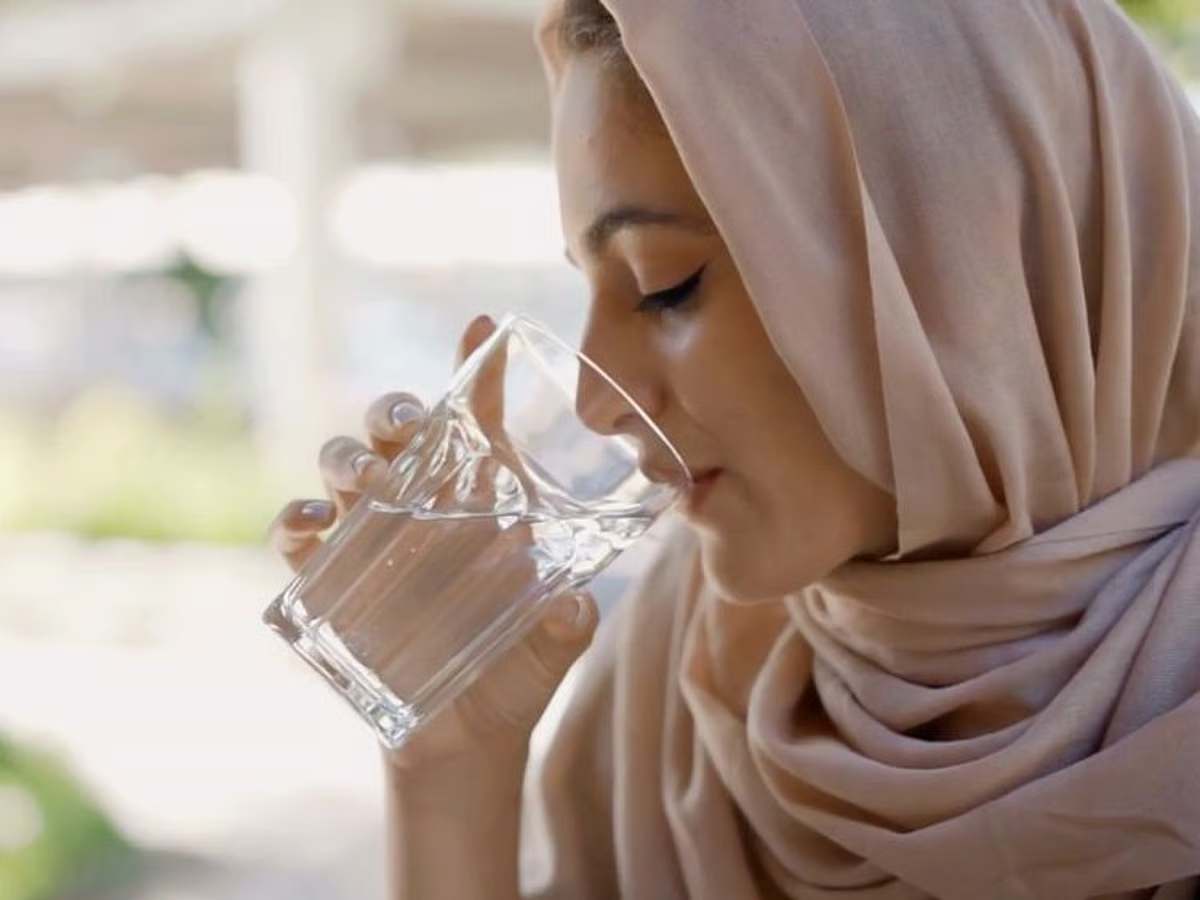

UAE residents are being urged to increase their water intake as cooler temperatures can deceptively reduce the sensation of thirst by as much as 40%, according to health officials. The decreased awareness of hydration needs during the winter months poses a risk of mild dehydration, particularly for those engaging in outdoor activities. This advisory comes as the UAE experiences a shift towards more pleasant weather conditions.
The Ministry of Health and Prevention issued the warning this week, emphasizing that the body’s requirement for fluids doesn’t diminish with the drop in temperature. While summer heat clearly signals the need to drink more water, the subtle onset of dehydration in cooler weather can be easily overlooked, potentially leading to fatigue, headaches, and reduced cognitive function. The advisory applies to all residents across the seven emirates.
Why Cooler Weather Reduces Your Sense of Thirst & the Importance of Hydration
The body’s natural thirst mechanism is less sensitive in colder temperatures. This is because the physiological response to heat – sweating – is reduced, leading to a diminished signal that the body needs to replenish fluids. Additionally, people tend to wear more clothing in winter, further minimizing visible signs of fluid loss.
The Physiological Impact of Reduced Thirst
When the sensation of thirst is suppressed, individuals may not drink enough water to compensate for normal fluid losses through respiration, urination, and other bodily functions. This can lead to a state of mild, chronic dehydration. The report indicates that even a small degree of dehydration can negatively impact physical and mental performance.
However, the need for fluid intake remains constant, regardless of the ambient temperature. The Ministry of Health recommends adults consume between 2 to 3 liters of water daily, a guideline that should be maintained throughout the year. Factors such as activity level, diet, and underlying health conditions can influence individual hydration needs.
In contrast to the summer months, where proactive hydration is often prompted by visible sweating, winter hydration requires a more conscious effort. Many residents may also reduce their consumption of water-rich fruits and vegetables during the cooler months, further contributing to potential dehydration.
Who is Most at Risk?
Certain groups are particularly vulnerable to the effects of reduced thirst in cooler weather. Children, the elderly, and individuals with chronic illnesses are more susceptible to dehydration and its associated complications. Those engaging in physical activity, even at moderate levels, also require increased water consumption.
Specific Vulnerable Groups
The elderly often have a diminished thirst sensation and may be less aware of their hydration status. Children rely on caregivers to ensure adequate fluid intake. Individuals with conditions like diabetes or kidney disease may have altered fluid balance and require specific hydration recommendations from their healthcare provider.
Meanwhile, outdoor workers and those participating in sports or recreational activities should prioritize hydration before, during, and after exertion. The Ministry also advises residents to be mindful of the dehydrating effects of caffeine and alcohol, particularly during social gatherings. Maintaining adequate electrolyte balance is also important, especially for those who sweat significantly.
Additionally, the change in weather often coincides with increased social events and travel. These activities can disrupt regular routines and lead to inconsistent hydration habits. It’s important to consciously prioritize fluid intake even when traveling or