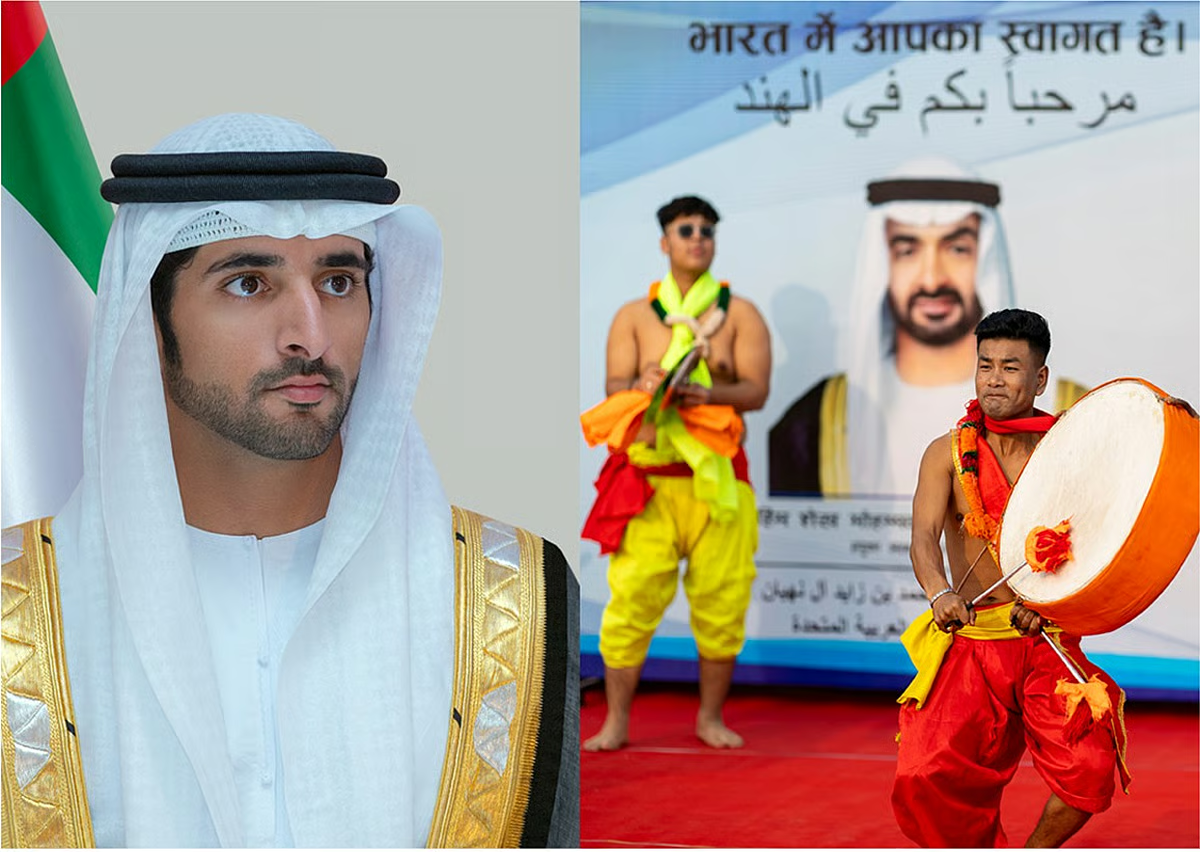

The President of the United Arab Emirates (UAE), Sheikh Mohamed, received a traditional welcome to India featuring the captivating Pung Cholom dance. The performance, a significant display of Manipuri culture, took place during the President’s state visit and was highlighted by Sheikh Hamdan bin Mohammed Al Nahyan, the Crown Prince of Dubai, on social media. This cultural exchange underscores the strengthening ties between India and the UAE.
Cultural Heritage Showcase: The Significance of Pung Cholom
Pung Cholom is a highly revered dance form originating from the northeastern Indian state of Manipur. Characterized by a unique blend of drumming and graceful, acrobatic movements, it’s considered one of the state’s most important artistic traditions. The dance involves performers playing the pung, a barrel drum, while simultaneously executing complex physical routines.
The performance isn’t merely entertainment; it holds deep spiritual roots within Manipuri culture. It is an integral part of the Sankirtan tradition, a religious practice involving chanting and drumming, which was inscribed on UNESCO’s Representative List of the Intangible Cultural Heritage of Humanity in 2013. This recognition highlights the global importance of preserving this unique art form.
Demanding Artistry and Traditional Elements
Mastering Pung Cholom requires years of dedicated training. Dancers must maintain exceptional balance and coordination while drumming and moving, demonstrating a high level of athleticism. The dance also incorporates elements of traditional Manipuri martial arts, Thang Ta and Sarit Sarak, further adding to its complexity.
Traditionally, performers wear simple attire – a dhoti and turban – symbolizing purity and devotion. This understated costuming allows the focus to remain on the skill and spiritual expression of the dance itself. The rhythmic build of the performance, starting gently and culminating in a powerful climax, is designed to be deeply moving and evocative.
Apt Welcome Reflects Growing India-UAE Relations
The selection of Pung Cholom to greet Sheikh Mohamed was a deliberate choice, reflecting the deepening cultural relationship between India and the UAE. According to sources, the dance is often performed as an invocatory number before important cultural and religious events, making it particularly fitting for a state visit.
Visuals broadcast by Doordarshan, India’s state-run television channel, showed the performance taking place before a stage adorned with portraits of both Sheikh Mohamed and Indian Prime Minister Narendra Modi, alongside welcoming messages in Hindi and Arabic. This display emphasized the mutual respect and hospitality extended during the visit.
Sheikh Hamdan’s sharing of the performance with his 17.4 million Instagram followers provided a significant platform for showcasing Indian culture to a global audience. This is not the first instance of the Crown Prince highlighting Indian artistic traditions during recent diplomatic engagements; he previously shared footage of a Kerala Chendamelam performance.
Presidential Delegation and Continued Engagement
Sheikh Hamdan was a key member of the high-level delegation accompanying President Sheikh Mohamed on his third visit to India in three years and his fifth visit in the last decade. This frequent engagement underscores the strategic importance of the India-UAE partnership.
The delegation also included Sheikh Hamed bin Zayed Al Nahyan, Deputy Prime Minister and Minister of the Presidential Court; Sheikh Abdullah bin Zayed Al Nahyan, Deputy Prime Minister and Minister of Foreign Affairs; and several other ministers and top officials. The presence of such a prominent group signals the UAE’s commitment to strengthening ties with India.
The visit is expected to lead to further collaborations in areas such as trade, investment, and energy. Discussions reportedly focused on expanding economic cooperation and addressing regional security concerns. The strengthening of diplomatic ties is also anticipated to foster greater cultural exchange programs.
Looking ahead, the specifics of any agreements reached during the visit are expected to be announced in the coming weeks. Further details regarding future cultural initiatives and exchange programs will likely emerge as both nations solidify their commitment to this growing partnership. The long-term impact of this strengthened relationship on regional dynamics remains to be seen.