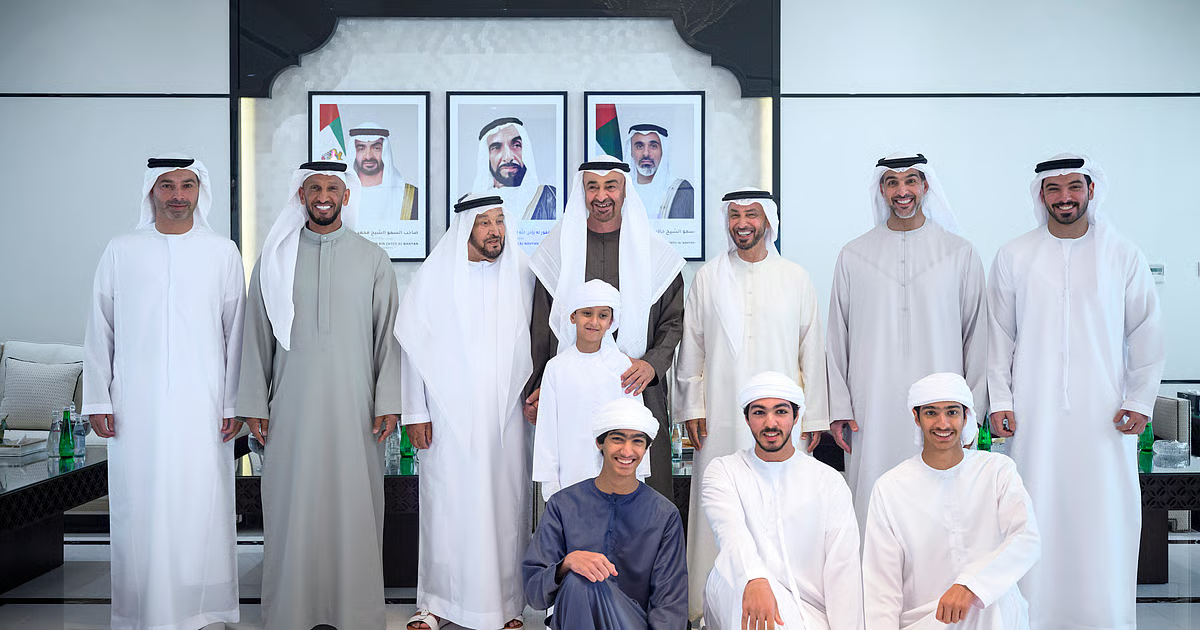

The President of the United Arab Emirates, Sheikh Mohamed bin Zayed Al Nahyan, recently concluded a significant visit to a neighboring country, accompanied by key advisors and officials. This diplomatic trip, details of which were released by the UAE’s state news agency, signals continued efforts to strengthen regional ties and address shared economic and security concerns. The presence of Sheikh Hamdan bin Mohamed bin Zayed Al Nahyan and Sheikh Mohammed bin Hamad bin Tahnoon Al Nahyan underscores the importance the UAE places on these ongoing discussions and the future of UAE diplomacy.
The delegation included Sheikh Hamdan bin Mohamed bin Zayed Al Nahyan, Deputy Chairman of the Presidential Court for Special Affairs, and Sheikh Mohammed bin Hamad bin Tahnoon Al Nahyan, Advisor to the UAE President, alongside a number of other senior officials. While the specific destination was not immediately disclosed in initial reports, the visit focused on bilateral relations and collaborative initiatives. This high-level engagement highlights the UAE’s proactive stance in fostering stability and cooperation within the region, particularly concerning economic partnerships and geopolitical strategy.
Strengthening Regional Alliances Through UAE Diplomacy
The UAE has consistently prioritized a foreign policy centered on peaceful coexistence and mutually beneficial partnerships. This recent visit is a continuation of that strategy, aiming to solidify relationships with key allies and explore new avenues for collaboration. According to analysts at the Middle East Institute, the UAE’s approach to diplomacy is increasingly focused on economic diversification and security coordination.
Focus on Economic Cooperation
A primary objective of the trip appears to be the advancement of economic ties. The UAE is actively seeking to diversify its economy away from oil dependence, and strong international partnerships are crucial to achieving this goal. Discussions likely centered on investment opportunities, trade agreements, and joint ventures in sectors such as renewable energy, technology, and infrastructure.
The UAE’s sovereign wealth funds, including the Abu Dhabi Investment Authority (ADIA) and Mubadala Investment Company, are major global investors. These funds are expected to play a key role in any new economic agreements reached during or following the presidential visit. The country’s commitment to sustainable development is also a driving force, with a focus on projects that align with its environmental objectives.
Addressing Shared Security Challenges
Regional security was undoubtedly another key topic of conversation. The UAE shares concerns with its neighbors regarding issues such as maritime security, counter-terrorism, and the ongoing conflicts in the broader Middle East. Collaborative efforts to address these challenges are seen as essential for maintaining stability and protecting national interests.
The UAE has been a strong advocate for de-escalation and peaceful resolutions to regional disputes. This position was likely reiterated during the visit, with an emphasis on the importance of dialogue and diplomacy. The country also actively participates in international security initiatives and contributes to peacekeeping operations.
However, the UAE also maintains a robust defense posture, investing heavily in modern military equipment and training. This dual approach – prioritizing diplomacy while maintaining a strong defense capability – reflects a pragmatic assessment of the security landscape. The country’s recent participation in joint military exercises with various international partners demonstrates its commitment to enhancing its defense readiness.
Meanwhile, the UAE’s role as a mediator in regional conflicts has been growing in prominence. Its neutral stance and strong relationships with multiple actors have positioned it as a trusted facilitator in negotiations. The visit likely involved discussions on potential avenues for mediation in ongoing disputes.
In contrast to some other regional players, the UAE has consistently emphasized a multilateral approach to foreign policy. It actively engages with international organizations such as the United Nations and the World Trade Organization, and it supports initiatives aimed at promoting global cooperation. This commitment to multilateralism is a defining characteristic of UAE diplomacy.
The visit also comes at a time of shifting global alliances and increasing geopolitical competition. The UAE is navigating these complexities by strengthening its existing partnerships and forging new ones based on shared interests. This proactive approach is intended to ensure the country’s continued security and prosperity in a rapidly changing world. The development of strong international relations is a key component of this strategy.
Additionally, the UAE is preparing to host the 28th Conference of the Parties (COP28) to the United Nations Framework Convention on Climate Change in late 2023. This high-profile event will provide a platform for the UAE to showcase its commitment to climate action and to further advance its diplomatic agenda on environmental issues. The success of COP28 is seen as a critical opportunity for the UAE to demonstrate its leadership on the global stage.
The inclusion of Sheikh Hamdan and Sheikh Mohammed in the delegation suggests a continuity of policy and a long-term commitment to these relationships. Their involvement signals that these diplomatic efforts are not merely symbolic gestures but are integral to the UAE’s strategic vision. The UAE’s foreign policy is often characterized by a focus on pragmatic solutions and a willingness to engage with all parties.
Looking ahead, the UAE is expected to continue its active engagement in regional and international affairs. Further details regarding specific agreements or outcomes from the presidential visit are anticipated in the coming weeks. Analysts will be closely watching for any indications of new initiatives or shifts in the UAE’s diplomatic priorities. The long-term impact of this visit on regional stability and economic cooperation remains to be seen, but it undoubtedly represents a significant step in the ongoing evolution of UAE diplomacy and its broader foreign policy.
The Ministry of Foreign Affairs is expected to release a more comprehensive statement outlining the key discussions and outcomes of the visit by the end of the month. The report indicates that follow-up meetings between officials from both countries will be scheduled to further explore areas of collaboration. The extent to which these discussions translate into concrete action will be a key indicator of the visit’s success.